


Die casting is a metal casting process that forces molten metal into a project-specific steel die under high pressure. It produces precise, complex parts with smooth surfaces and tight tolerances, which is why it is widely used for repeatable, high-volume production.
Most die cast components use non-ferrous metals such as aluminum, zinc, and magnesium. In practice, the deciding factor is often not the alloy alone, but the tooling system that controls filling, venting, cooling, and ejection across thousands of cycles.
If you are planning a new die casting program, start from the die: parting line strategy, gating and venting design, and thermal balance. These decisions largely determine porosity risk, flash, dimensional drift, and long-term stability.
Why Choose Die Casting (and Why Tooling Matters)
Die casting is widely used because it offers a strong balance of performance, consistency, and cost at scale.
- High precision: Tight tolerances can reduce machining.
- Fast production: Short cycle times suit volume runs.
- Thin-wall capability: Supports lightweight designs with complex geometry.
- Smooth finish: Often suitable for coating or plating after proper surface preparation.
- Low unit cost at volume: Tooling cost is amortized across many parts.
However, these benefits show up consistently only when the die is designed and built correctly. Tooling quality and design choices (gating, venting, cooling, ejection) strongly affect cycle time, scrap rate, and whether the casting is pressure-tight, weldable, or suitable for downstream finishing.
Planning a tooling project? Send your drawing for a tooling feasibility discussion and die design review through our die casting mold manufacturing service.
Die Casting Process: What Happens in Each Cycle
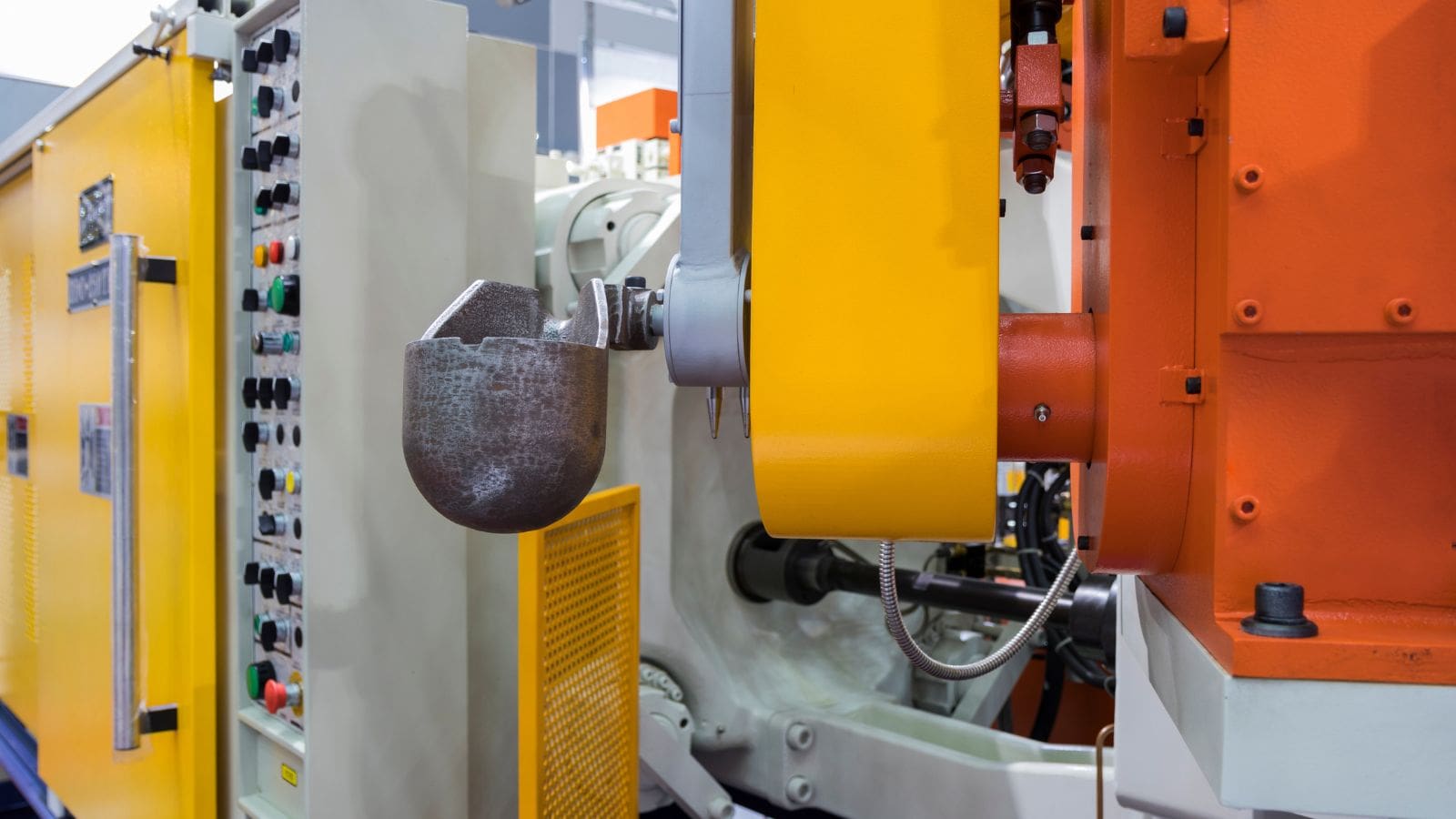
At a high level, a die casting cycle includes die preparation, injection/filling, solidification, ejection, and trimming. In production, the details that matter most are how the die controls metal flow, air evacuation, and heat removal—because these define repeatability.
- Die preparation: The die is closed and clamped; lubricant/release is applied as needed.
- Filling (injection): Molten alloy enters the cavity through the runner and gate system.
- Solidification & cooling: Cooling channels and thermal balance drive shrinkage behavior and dimensional stability.
- Ejection: Ejector system releases the casting; ejection layout affects marks and deformation risk.
- Trimming & finishing: Runners/overflows/flash are removed; machining and finishing may follow.
Because defects repeat from cycle to cycle, robust tooling precision and process control are essential to stable mass production.
Types of Die Casting: Hot Chamber vs Cold Chamber
The two most common high-pressure die casting machine configurations are hot chamber and cold chamber. In many cases, the alloy largely determines which one is used.
| Type | Typical use | Key notes |
|---|---|---|
| Hot chamber die casting | Common for lower-melting alloys (often zinc; some magnesium) | Fast cycle times; die and machine components must tolerate the molten metal environment. |
| Cold chamber die casting | Common for higher-melting alloys (often aluminum) | Molten metal is ladled into a shot sleeve; generally slower than hot chamber but suitable for aluminum programs. |
Regardless of hot or cold chamber, the die design (gates, vents, cooling, ejection) is what enables consistent filling and stable production quality.
Main Die Casting Methods: HPDC, Vacuum Variants, LPDC, and Gravity
“Die casting” is often used to refer to high-pressure die casting (HPDC), but buyers may also evaluate low-pressure or gravity alternatives depending on internal quality needs and downstream requirements.
High-Pressure Die Casting (HPDC)
High-pressure die casting is the most common commercial process for producing aluminum, zinc, and magnesium parts with high repeatability. Because filling can be fast and turbulent, proper venting, overflow design, and thermal control are important to reduce porosity and stabilize dimensions.
Vacuum-Assisted Die Casting (HPDC Variant)
Vacuum die casting removes air from the cavity before or during injection. This helps lower gas entrapment and porosity, improving internal quality for applications where pressure-tightness, welding, or demanding finishing is required. Vacuum readiness is primarily a tooling design topic: sealing strategy, vent path, and valve/port placement must be planned into the die.
Low-Pressure Die Casting (LPDC)
Low-pressure die casting uses controlled fill driven by low gas pressure. It is often considered when internal integrity is prioritized over maximum speed, especially for certain structural or heat-treatment-related requirements.
Gravity Die Casting (Permanent Mold)
Gravity permanent mold casting (often grouped with “die casting” in buyer discussions) fills the mold using gravity rather than injection pressure. It can be considered for lower volumes or when process selection is influenced by heat treatment needs and internal quality targets. Selection depends heavily on part geometry, alloy, and the performance requirements.
Die Casting Tooling (Dies): What the Die Includes
A die casting die is a complete system that forms the part and controls how the metal flows, vents, cools, and ejects. Typical die systems include:
- Core & cavity (inserts) that form the part geometry
- Runner & gate system to deliver molten metal into the cavity
- Vents & overflows to evacuate air and capture oxides/impurities
- Cooling channels to manage die temperature and cycle time
- Ejector system to release the casting reliably
- Slides/lifters (when undercuts or side features require them)
At Moldie, die design and manufacturing can be supported with CNC machining, EDM, precision measurement, and simulation tools used to optimize gating, cooling, and ejection for consistent results. Learn more about our capabilities on the die casting dies page.
Key Tooling Design Choices (and Why They Affect Quality)
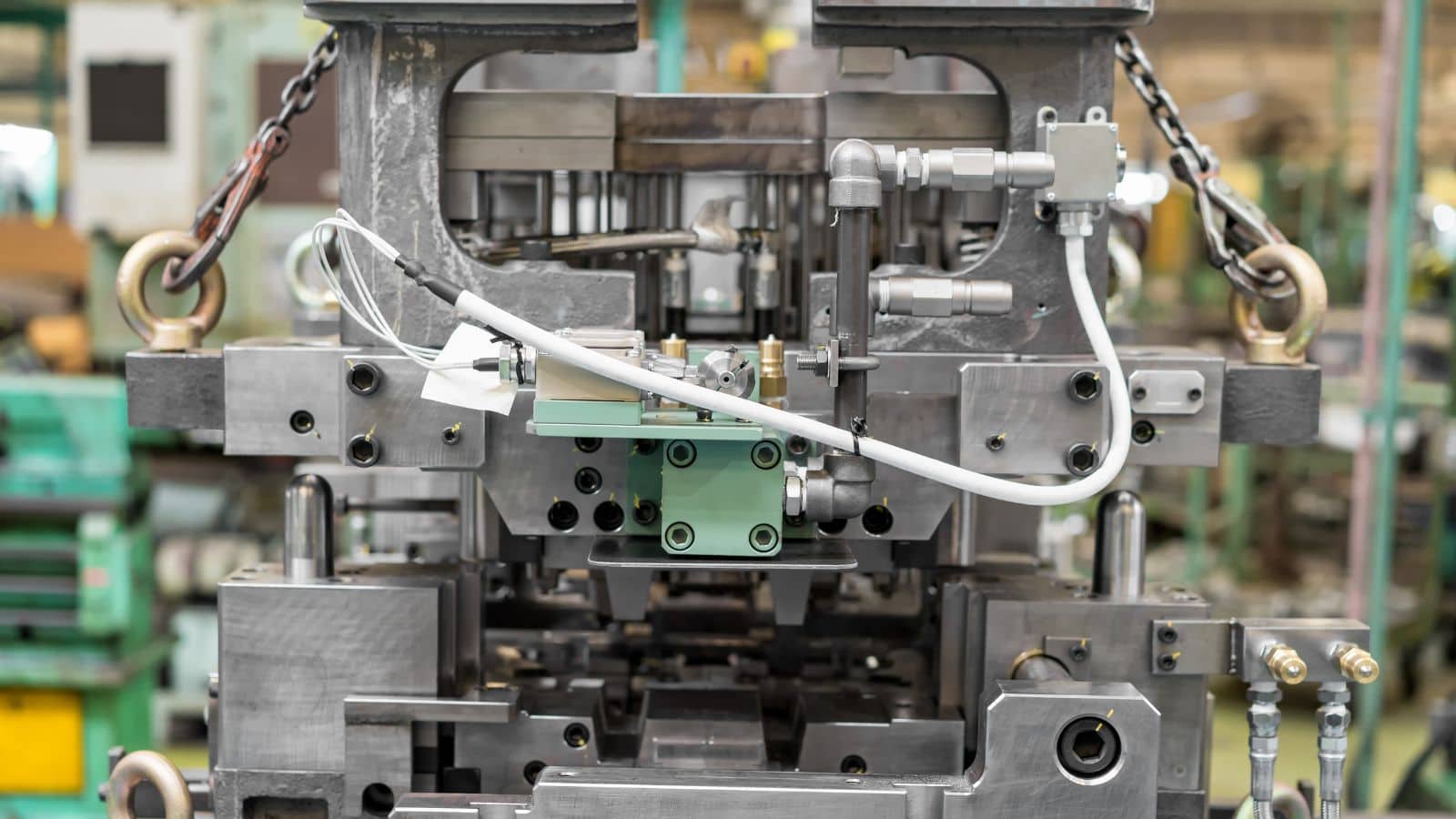
Parting Line Strategy
Parting line selection affects flash risk, cosmetic surfaces, machining datum strategy, and how ejector marks will appear. Good parting line decisions can reduce secondary work and improve stability over long runs.
Runners, Gates, and Fill Balance
The runner and gate design determines how the cavity fills. Balanced filling reduces cold shuts and incomplete fill risk, and it can also reduce turbulence-related porosity. Gate location also impacts cosmetic quality and post-processing effort.
Venting, Overflows, and Vacuum Readiness
Air evacuation is one of the most common root causes behind porosity and surface defects. Proper vent paths and overflow placement help remove trapped gases and contaminants. If vacuum-assisted casting is required, the die must be designed for sealing and vacuum port placement from the start.
Cooling and Thermal Balance
Cooling design controls solidification timing, shrinkage behavior, distortion risk, and cycle time. A thermally balanced die helps reduce dimensional drift during long production runs.
Ejection Layout
Ejector pin placement and sequence influence release stability, ejection marks, and deformation risk—especially on thin walls or cosmetic surfaces.
Material Selection (Tooling Impact Included)
Material choice affects die life, cycle time, cost, and final part performance. It also changes how the die should be designed for flow, venting, and heat removal.
Aluminum Die Casting Alloys
Aluminum is widely used because it offers a strong mix of strength, weight savings, and corrosion resistance. Most aluminum programs use cold chamber machines due to the higher melting temperature.
- A380 / ADC12: General-purpose alloys with strong castability.
- A360: Often chosen when better corrosion resistance and ductility are needed.
- A383: Often used for thin-wall and complex parts.
If your program is aluminum-based, see our aluminum die casting parts capability overview.
Zinc Die Casting Alloys
Zinc die casting is commonly used for small parts with fine detail and excellent surface finish. Zinc programs often benefit from fast cycles and long tool life when the die is properly designed and maintained.
Magnesium Die Casting Alloys
Magnesium is the lightest common structural die casting metal and is often used where weight reduction is a priority.
Learn more about our magnesium die casting parts capabilities.
Quality Control, Common Defects, and Secondary Operations
Quality control is essential in die casting because defects can repeat from one cycle to the next. Common issues include porosity, cold shuts, flash, and dimensional drift.
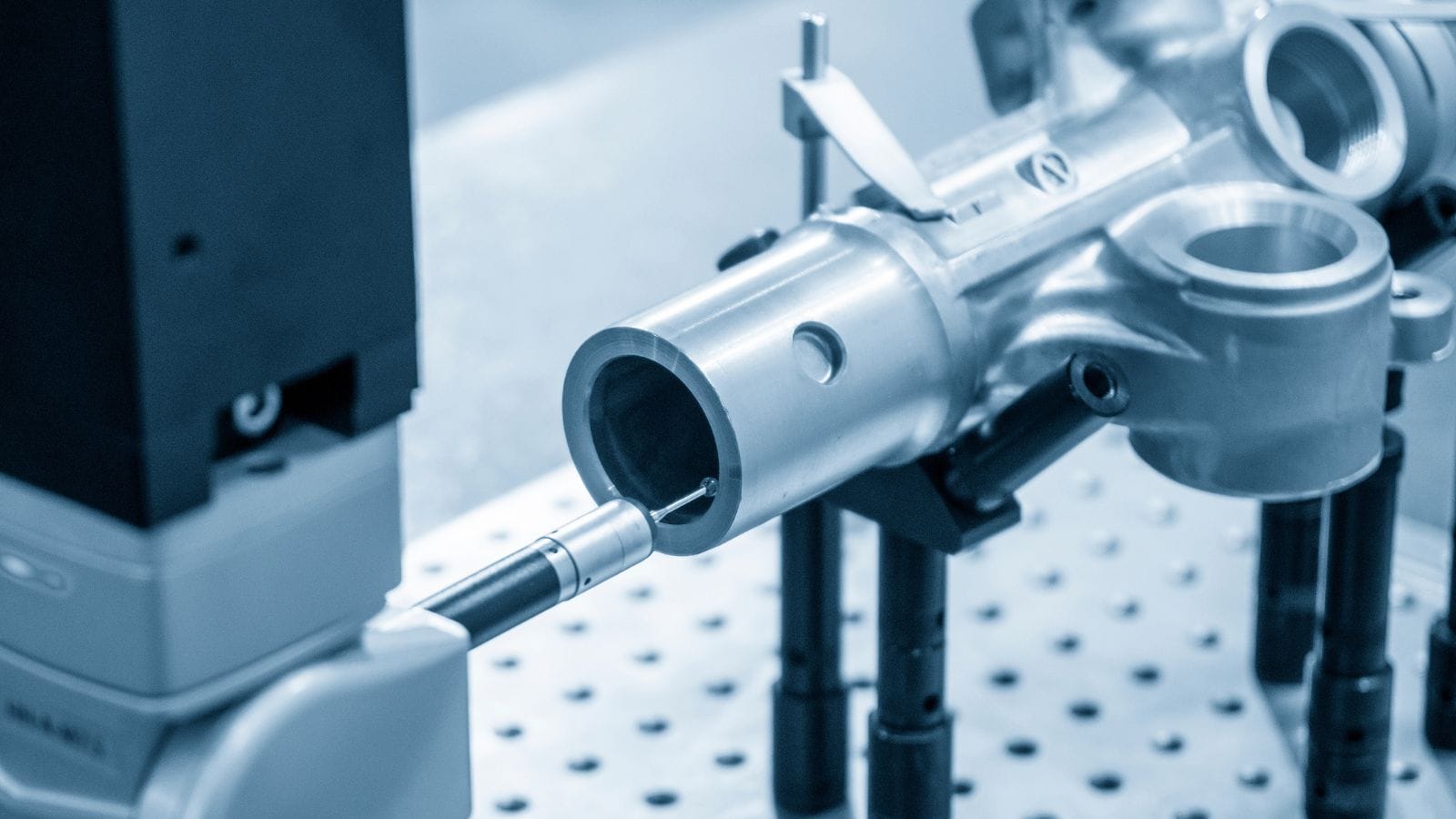
Common Defects and Typical Root Causes
- Porosity: Often linked to air entrapment, insufficient venting/overflow, or unstable process parameters.
- Cold shuts / misruns: Often linked to fill balance, gate design, temperature, or shot profile issues.
- Flash: Often linked to parting line fit, clamping force, wear, or die distortion/thermal imbalance.
- Dimensional drift: Often linked to die temperature variation, wear, or inconsistent process control.
Inspection Methods
CMM inspection checks critical dimensions, while X-ray inspection helps identify internal porosity. 3D scanning is also useful for first-article comparison and tooling validation.
Finishing and Machining
Many die cast parts need secondary work before final use. CNC machining and surface finishing help meet tolerance, appearance, and corrosion requirements.
Cost: When Die Casting Makes Sense (Tooling-First View)
Die casting is cost-effective when production volume is high enough to spread tooling cost across many parts. Upfront tooling investment is higher than simpler processes, but unit cost can be much lower at scale when cycle time and scrap rate are controlled.
Key Tooling Cost Drivers
- Part complexity (deep features, thin walls, cosmetic requirements)
- Slides/lifters (undercuts and side actions increase tooling complexity)
- Gating/venting/vacuum requirements
- Cooling complexity and thermal balance requirements
- Expected production volume and durability targets (die life planning)
What to Ask a Die Casting Die Manufacturer
- Will you support die design optimization for gating, cooling, and ejection (including simulation if needed)?
- How will you validate the tool (trial plan, inspection approach, and stability checks)?
- Can you support downstream needs like machining and surface finishing as part of a one-stop solution?
If you want to estimate tooling approach and cost, contact Moldie through our die casting mold manufacturing service and share your drawing, alloy preference, and expected annual volume.
FAQ
Is die casting mainly about the machine or the die?
Both matter, but the die is often the biggest driver of repeatable quality. Gate/vent/cooling/ejection decisions determine how the cavity fills, how air escapes, and how heat is removed across thousands of cycles.
Hot chamber vs cold chamber: which should I choose?
In many cases, the alloy largely determines it. Hot chamber is common for lower-melting alloys (often zinc), while cold chamber is common for higher-melting alloys (often aluminum). The final choice should be confirmed based on part geometry, quality requirements, and production targets.
How do you reduce porosity in die casting?
Porosity reduction typically involves better venting and overflow design, stable shot profile and temperatures, and in some cases vacuum-assisted casting. Many of these improvements start at the tooling design stage.
When is die casting cost-effective?
Die casting becomes more attractive when volume is high enough to amortize tooling cost and when repeatability reduces secondary work and scrap. The right break-even point depends on geometry, alloy, quality requirements, and cycle time targets.
Do die cast parts require machining and finishing?
Many do. Machining is often used for critical fits, threads, and sealing surfaces, while finishing helps meet appearance and corrosion requirements. See our surface finishing options for typical post-processing needs.
Can Moldie support die casting dies for aluminum, zinc, and magnesium?
Yes. Moldie specializes in manufacturing die casting molds for aluminum, zinc, and magnesium alloys, and can support the process from part design/prototyping through die manufacturing and downstream production support. See details on our die casting dies service page.