


Die casting mold material is one of the major factors influencing the die casting process. These materials have to survive molten metal, high injection pressure, and thousands of heating and cooling cycles without cracking or losing shape.
The right choice depends on matching material properties to the alloy being cast, the production volume, and how the die will be cooled and maintained over its working life.
This guide walks through what tooling has to withstand, how common steel grades and specialty alloys compare, and how design and maintenance decisions protect the die once it is in production.
Die Casting Conditions that Tooling Must Withstand
A die casting mold works under conditions that few other tools face. Every cycle brings molten metal, high pressure, rapid cooling, and mechanical stress on the same steel surfaces, thousands of times over.
Heat, Pressure, And Thermal Cycling
- High Injection Pressure: Molten metal is forced into the mold cavity at thousands of psi, creating constant mechanical stress.
- Thermal Cycling: The die experiences rapid, repeated shifts between extreme heat from the molten metal and active cooling from internal channels.
- Heat Checking (Thermal Fatigue): This relentless temperature fluctuation gradually causes fine surface cracks. Over time, these cracks telegraph onto the finished casting as raised lines.
Surviving these thermal stresses relies heavily on proper alloy composition and precise heat treatment, rather than just the steel grade.
Wear, Erosion, And Corrosion Resistance
- High-Velocity Erosion: Molten metal rushing through gates and runners will quickly wear down and round off sharp edges if the steel is soft or poorly hardened.
- Chemical Attack (Soldering): Molten metals can chemically bond with or degrade the die surface over time.
- Alloy-Specific Corrosion: Aluminum is significantly more chemically aggressive toward tool steel than zinc, making corrosion resistance a top priority for aluminum die casting molds.
High wear resistance is essential to maintain tight tolerances and intricate cavity details shot after shot.
How Tool Material Affects Casting Quality and Surface Finish
The mold’s material directly controls the quality of the final part. How fast the steel cools the liquid metal affects the part’s surface finish and shrinkage. Meanwhile, its hardness and toughness ensure the mold keeps its exact shape after thousands of shots.
If a mold gets soft or develops surface cracks, it will produce parts with poor finishes and more defects long before the tool actually breaks. To put it simply: as the mold wears down, the casting quality drops with it.
Die Cast Mold Steel Grades and Other Mold Materials
Tool steel selection for die casting mold cavities usually comes down to a handful of proven grades, each with specific strengths. While specialty materials have their place, hot-work tool steels dominate the industry.
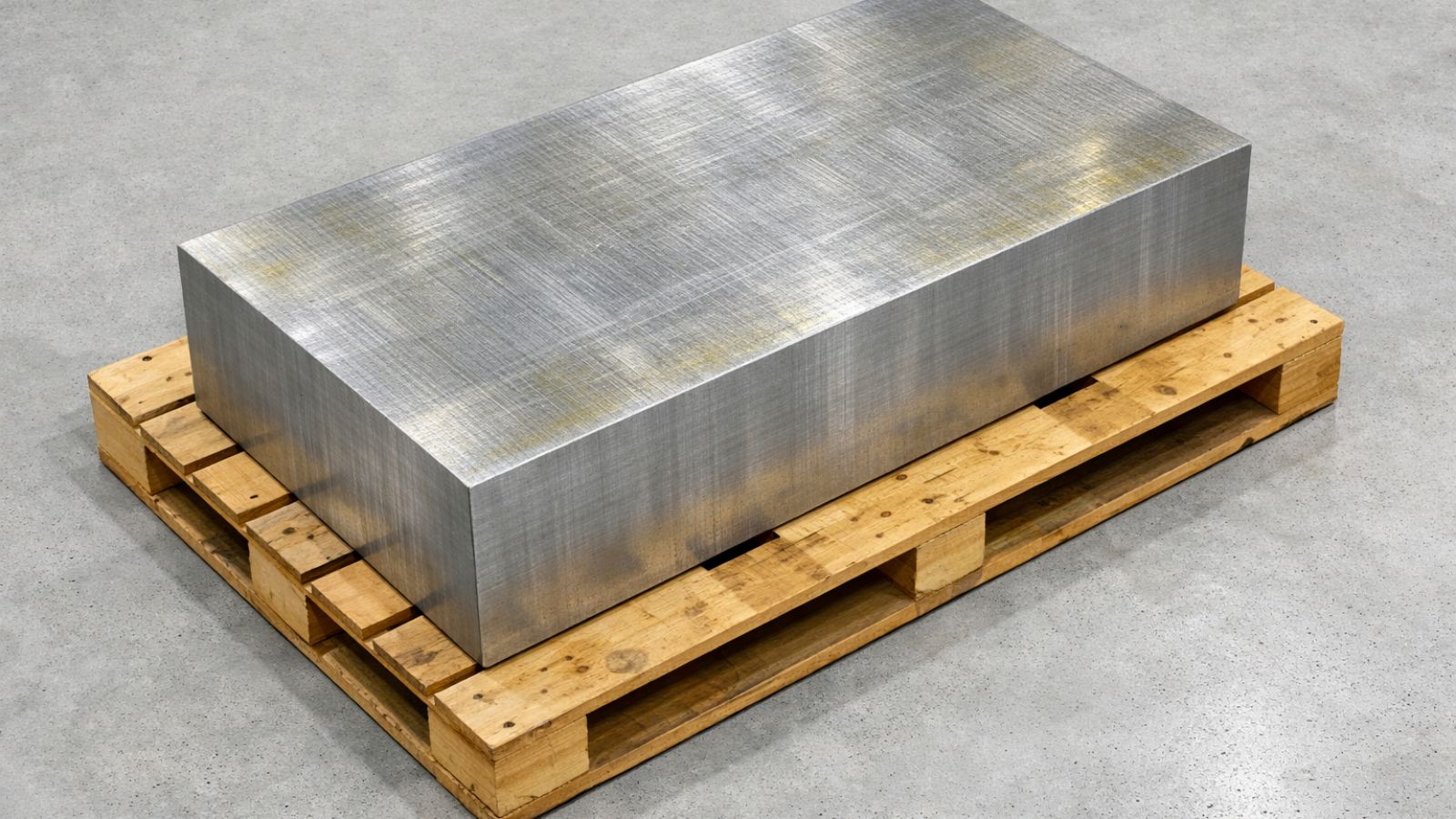
H13 and Equivalent Hot-Work Tool Steels
- H13 (DIN 1.2344): This tool steel is the undisputed industry standard for die casting mold cavities and cores. It offers an excellent balance of thermal fatigue resistance, toughness, and machinability at working hardness levels.
- 8407 Tool Steel: A premium, highly refined variant of H13. Thanks to its tighter chemistry control and improved cleanliness, it is the top choice for high-volume aluminum tooling where heat checking is a major concern.
- SKD61: Japan’s near-equivalent to H13, commonly specified by Asian supply chains and manufacturers.
P20, NAK80, and Other Pre-Hardened Steels
P20 and NAK80 are pre-hardened steels engineered for plastic injection molds, not metal casting.
While P20 is occasionally used for low-volume die casting prototypes to cut costs and lead times, it cannot withstand long-term thermal fatigue. NAK80 offers outstanding polishability for cosmetic finishes, but like P20, it is not a direct substitute for H13. Neither grade will survive sustained thermal cycling in production aluminum or zinc dies.
Aluminum and Copper Alloys for Short Runs and Local Cooling
- Aluminum Molds: Aluminum machines much faster than hardened tool steel, significantly reducing lead time and costs for prototype molds or very short runs. However, because it wears out quickly, it is completely unsuited for high-volume production.
- Beryllium Copper: Known for its exceptional thermal conductivity. It is rarely used for an entire mold, but is frequently machined into mold inserts and core pins to rapidly pull heat away from thick sections or deep cores that are prone to hot spots.
Material Selection for Different Mold Components
A die casting mold is a complex assembly. Because different parts of the tool face vastly different mechanical and thermal loads, engineers specify different materials for various mold components to balance performance and tooling costs.
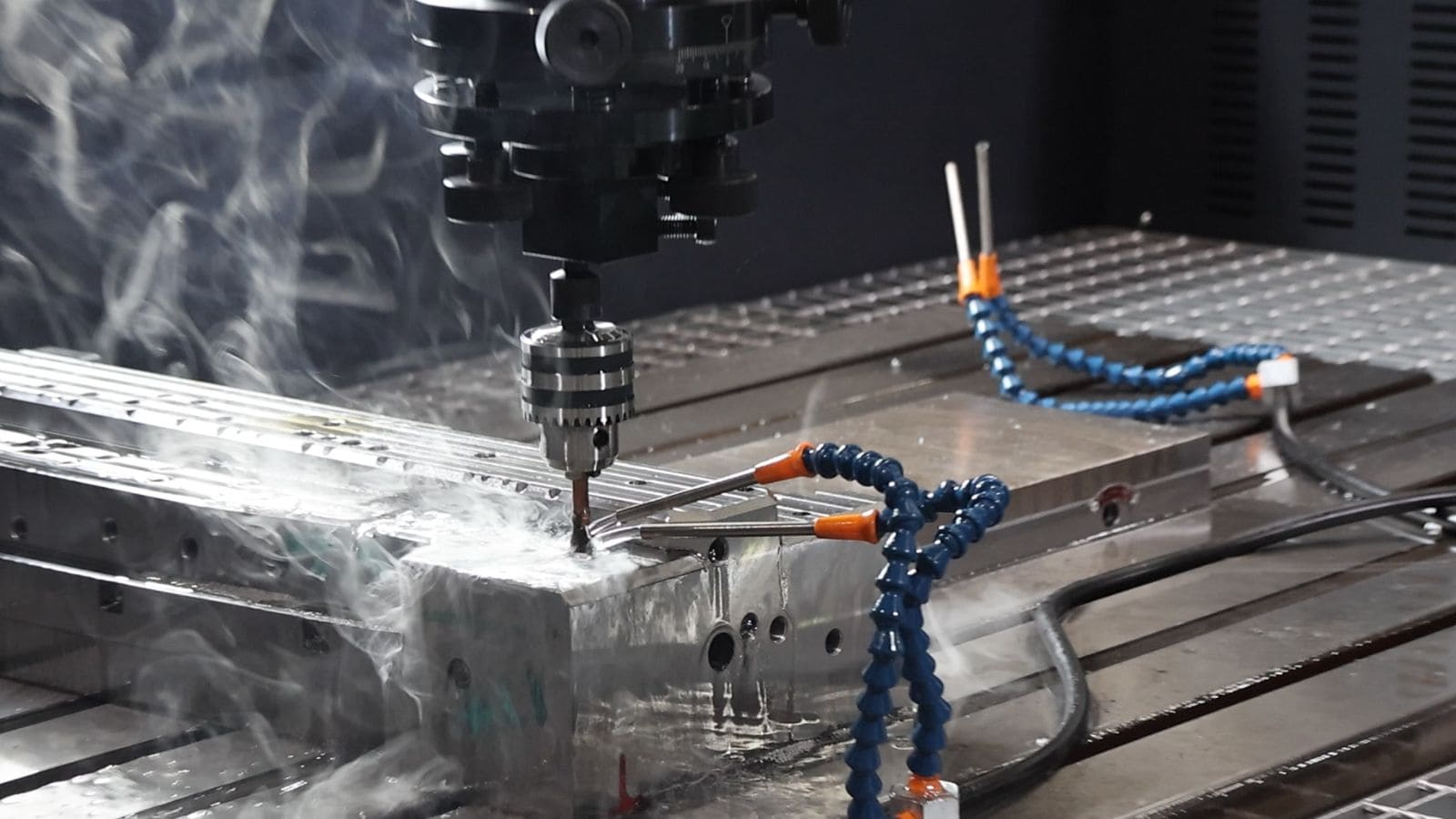
Die Cavity and Core Pins
The die cavity and core pins make direct contact with the alloy. These components must withstand high temperatures and the sheer force of molten metal under high pressure.
Consequently, they are machined exclusively from premium hot-work tool steel to resist thermal fatigue and erosion.
Mold Base and Structural Components
The mold base holds the cavity blocks in place and absorbs the immense clamping force of the machine. Because these structural steel molds do not directly touch the liquid metal, they do not require expensive hot-work steels.
Whether building a large custom die or a standardized unit die frame, manufacturers typically use pre-hardened steels like P20 or medium carbon steels to provide toughness at a lower cost.
Ejector Pins and Trim Dies
Ejector pins physically push the solidified metal part out of the mold. They require extreme wear resistance to prevent galling and are usually made from nitrided SKD61.
Once the part is ejected, a separate trim die is used in a mechanical press to shear off the runners, overflows, and excess material. Because trim dies face intense mechanical shear at room temperature, they rely on high-hardness cold-work steels (like D2 or SKD11) rather than die casting alloys.
Selecting Material For The Casting Application
Mold material selection requires balancing the thermal load of the casting alloy, the expected production volume, and your project’s budget. Here is how to navigate that decision.
Match the Die to the Casting Alloy (Aluminum vs. Zinc)
- Aluminum & Magnesium: Aluminum has a high melting temperature and chemically attacks steel. This creates extreme thermal stress and corrosion risks, making premium hot-work tool steels (like H13 or 8407) combined with careful heat treatment strictly mandatory. Magnesium sits slightly lower thermally but requires similar high-grade steel.
- Zinc (e.g., Zamak 3): Zinc melts at a much lower temperature. This “cooler” process is significantly gentler on tooling, allowing for much longer mold life even when using standard steel grades.
Account for Production Volume and Part Geometry
- High-Volume Runs: Mass production justifies the upfront cost of premium steel (like 8407) and rigorous heat treatment because the tooling cost is amortized across hundreds of thousands of parts.
- Complex Geometries: Parts with thin walls or deep, narrow cores create localized thermal stress. This often dictates the need for specialized beryllium copper inserts to prevent hot spots, even if the rest of the mold is standard H13.
Choose Between Prototype and Production Tooling
- Prototype Molds: If you need to validate a part design quickly and cheaply, prototype molds machined from aluminum or pre-hardened soft steel are ideal. They cost less and machine faster, but will only last for short runs.
- Production Molds: Once the part design is locked in, investing in hardened hot-work tool steel is the only viable path for long-term dimensional stability and surface finish.
Design and Treatment Decisions to Protect the Die
Steel grade sets the ceiling for tool life, but cooling layout, heat treatment, and surface engineering determine whether a mold reaches that ceiling.
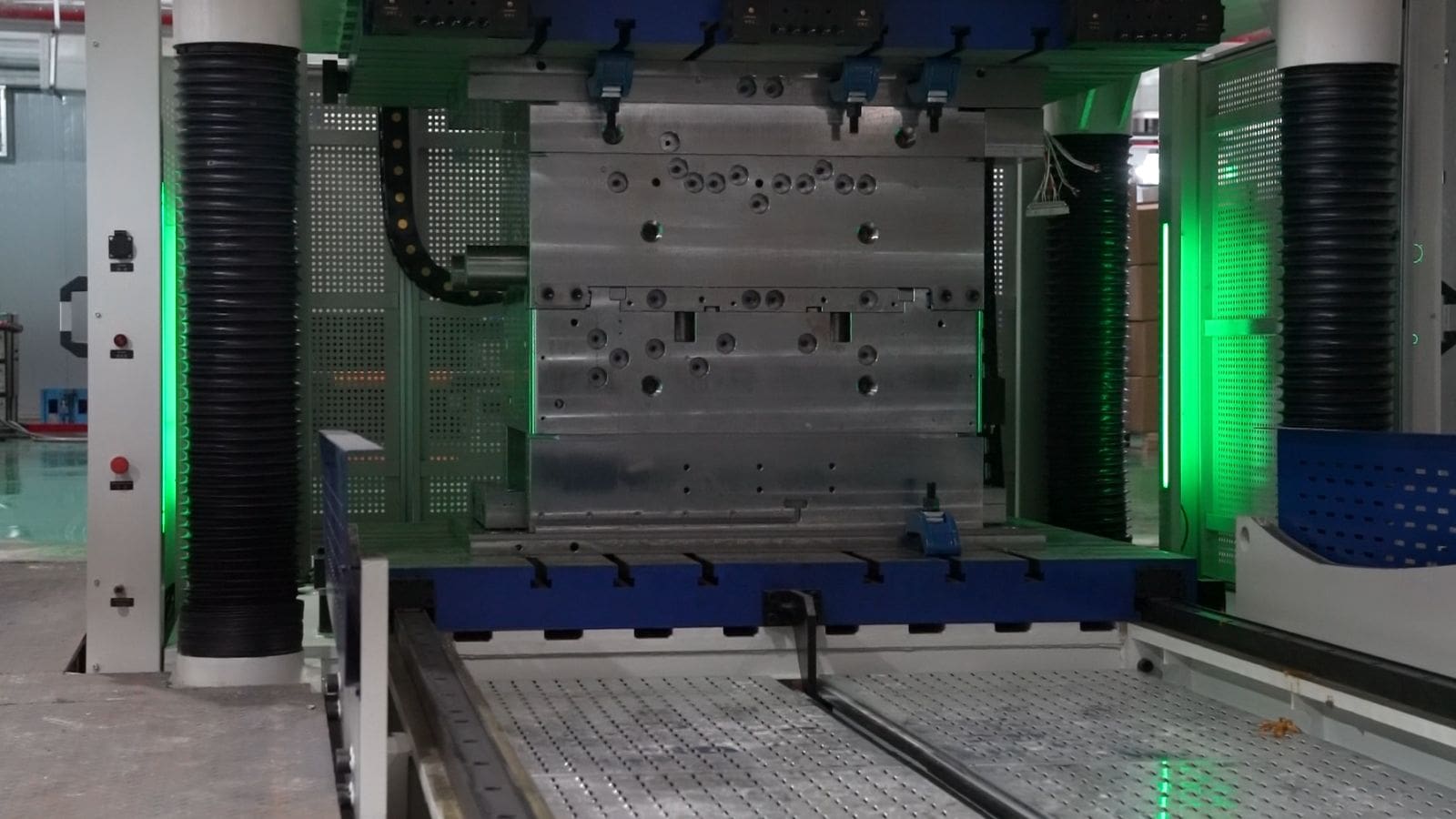
Cooling Layouts, Thermal Balance, and Insert Strategy
Cooling channels placed too far from the cavity surface reduce cooling efficiency and let heat build up unevenly, which accelerates thermal fatigue in hot spots. Balanced cooling keeps the whole mold cavity closer to a uniform die temperature between shots.
Heat Treatment and Hardness Control
Quenching and tempering set the base hardness and toughness of the tool steel before final machining. Nitriding adds a hardened surface layer after machining, improving wear resistance and heat checking resistance without making the whole part brittle.
Surface Engineering for Wear and Release
PVD coatings can reduce soldering and improve release in aluminum die casting, extending intervals between cleanings. Polishability of the base steel affects how fine a surface finish the cavity can hold, which matters most on cosmetic parts.
Maximize Your Tooling Investment with Moldie
Selecting the right premium steel is the critical first step for your project, but even the best materials will fail early without proper thermal management and precise machining.
At Moldie, we bridge the gap between material science and manufacturing. Our engineering team utilizes advanced die casting mold design techniques—including optimized cooling layouts and mold flow analysis—to prevent heat checking and maximize the lifespan of your chosen steel. From initial DFM to the final machining of high-volume die casting dies, we ensure your tooling delivers tight tolerances shot after shot.
Ready to start your next project? Contact our engineering team today for a free design review and expert material consultation.