


When sourcing aluminum high-pressure die casting, OEM buyers need more than a basic process overview. The real questions are whether HPDC can meet your cost targets, support your annual volume, deliver stable part quality, and justify the tooling investment.
This guide focuses on the issues that matter most to engineering and purchasing teams, including where HPDC fits best, what advantages it offers, how alloy and equipment choices affect performance, and what suppliers need in order to quote accurately.
Why HPDC Is the Default Choice for High-Volume Aluminum Parts
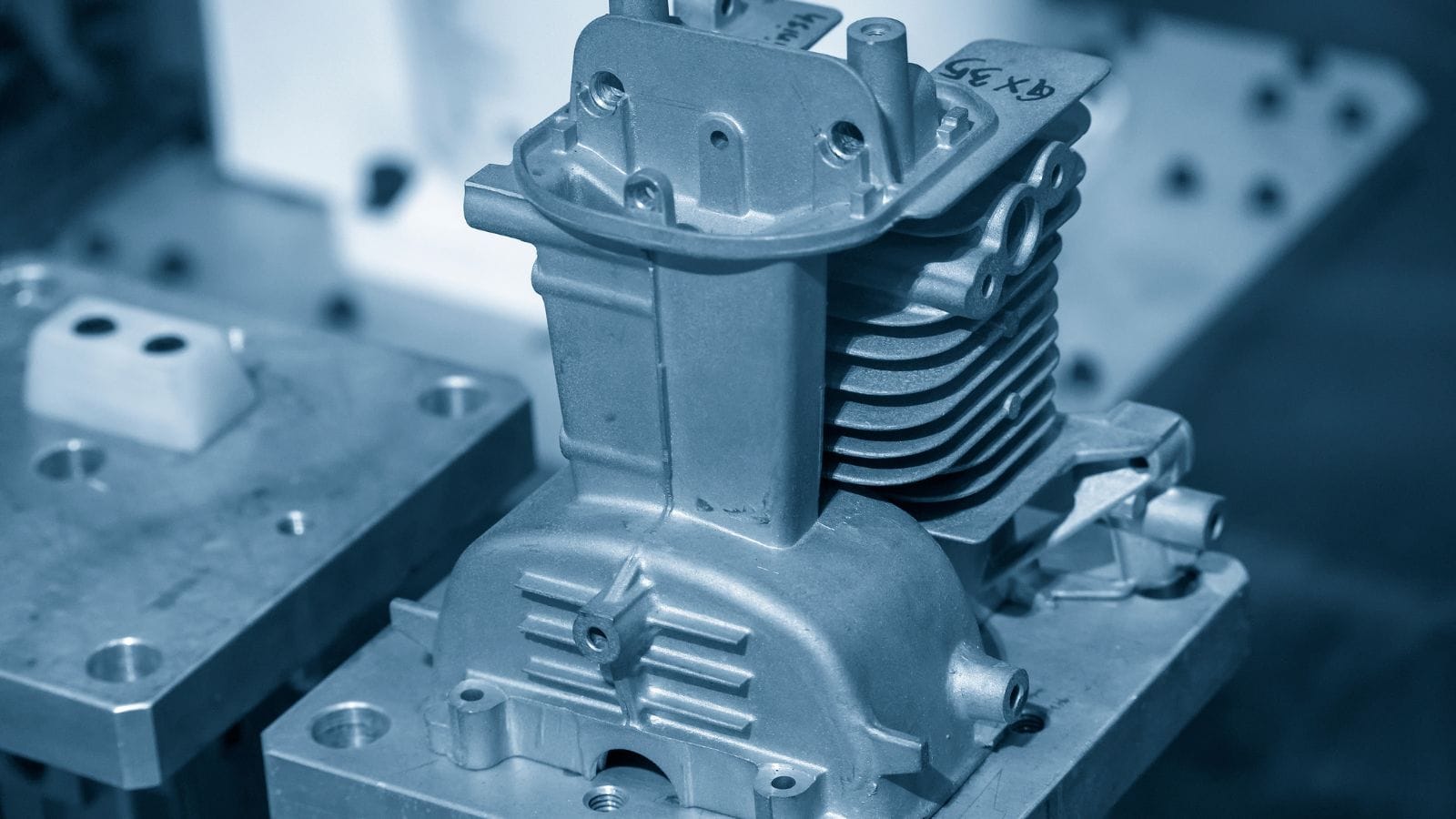
High-pressure die casting involves forcing molten metal into a hardened steel cavity under immense pressure. Because the cavity fills at high velocity, the molten metal solidifies in a matter of seconds. This incredibly fast cycle time is greatly boosted the production capacity of die casting, making it the standard for repeatable, high-output manufacturing programs.
For industrial applications, cast aluminum offers an excellent strength-to-weight ratio, consistent dimensional accuracy, and a high-quality surface finish.
The economics of HPDC become highly favorable for true high-volume production—typically tens of thousands of units annually. At these quantities, the rapid production cycle quickly amortizes the upfront tooling investment.
Applications of Aluminum HPDC Across Industries
Because the process supports complex geometries, thin walls, and short cycle times, aluminum high pressure die casting is especially common in sectors where production volumes are high and dimensional consistency matters.
Automotive Aluminum Die Casting Applications
In the automotive industry, HPDC is often used for transmission housings, motor covers, brackets, pump bodies, structural supports, and various lightweight enclosure components. The push toward vehicle lightweighting and electrification has made aluminum die casting even more important, particularly for EV-related parts that require both strength and heat dissipation.
Industrial Aluminum Die Casting Parts
In industrial equipment and machinery, common applications include valve bodies, compressor parts, gearbox housings, hydraulic components, and control system enclosures. These parts often benefit from aluminum’s balance of corrosion resistance, machinability, and weight reduction.
Electronics and Electrical Aluminum HPDC Components
In consumer electronics and electrical applications, aluminum HPDC is frequently used for heat sinks, LED lighting housings, motor housings, connector bodies, and protective casings. The process is well suited for parts that require good thermal conductivity, stable dimensions, and a clean surface for coating or finishing.
Other common product examples include telecommunications housings, appliance components, power tool casings, and medical equipment enclosures. In practice, the best-fit products are usually those that combine moderate-to-high complexity with annual volumes high enough to justify dedicated tooling.
Key Advantages of Aluminum High-Pressure Die Casting
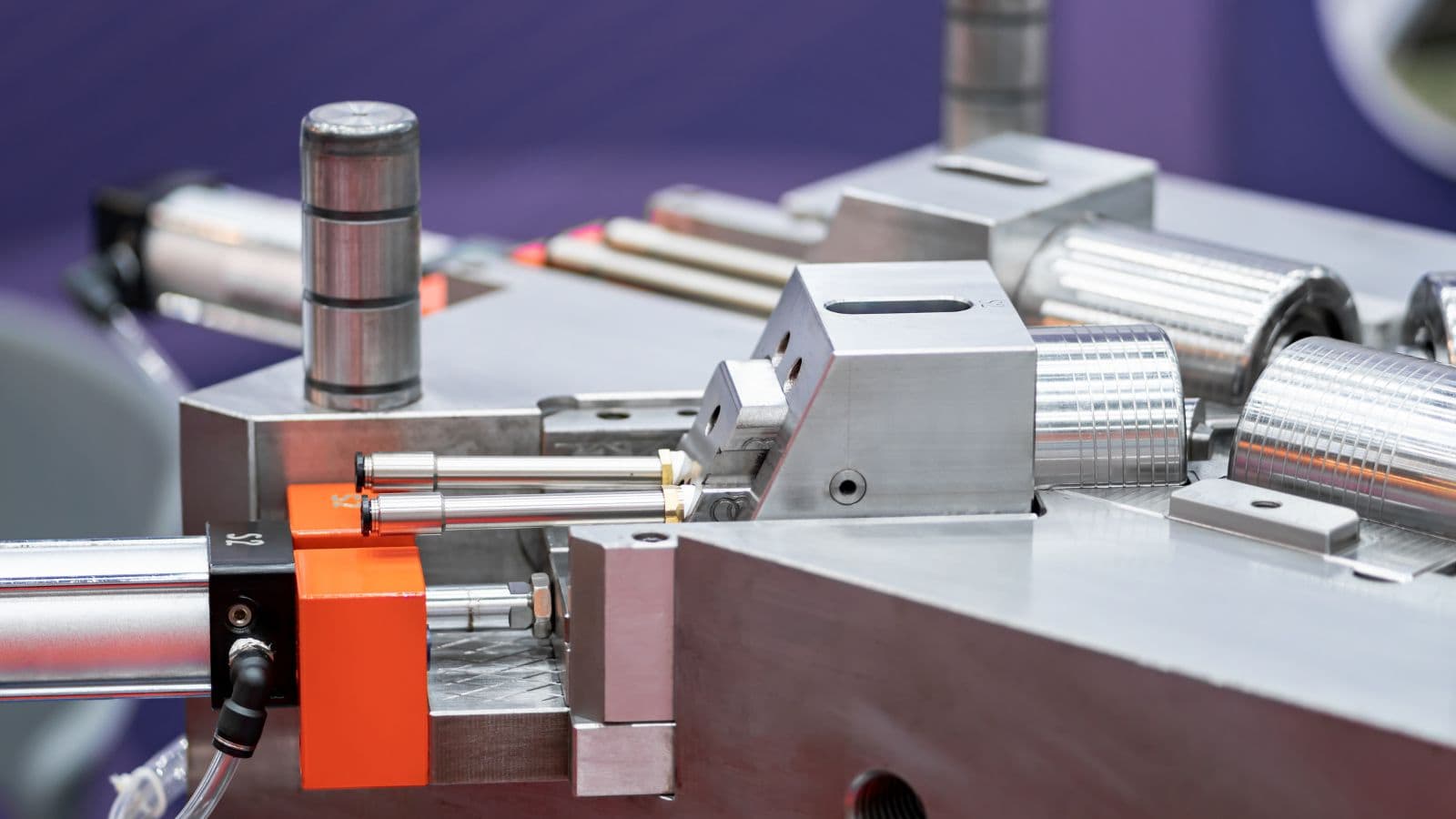
Aluminum high-pressure die casting offers several practical advantages for OEMs and purchasing teams, especially when designing for high-volume manufacturing programs:
- Part consolidation and design efficiency: HPDC can produce complex geometries—including thin walls, ribs, bosses, and mounting features—into a single cast component. This significantly reduces part count and simplifies downstream assembly.
- Scalability for long-term programs: Once the steel tool is validated, HPDC delivers high-speed, repeatable production. This consistency drives down the per-part cost and minimizes supply chain risk for large-volume runs.
- Lightweight structural performance: Aluminum provides an excellent strength-to-weight ratio, making it a critical choice for automotive and industrial applications aiming to reduce overall system weight without sacrificing durability.
- Excellent thermal and electrical conductivity: Aluminum is highly effective at dissipating heat, making HPDC the go-to process for heat sinks, motor housings, and electronic enclosures.
- Built-in corrosion resistance: Many aluminum die-cast alloys naturally resist corrosion, ensuring reliable performance in harsh operating environments without always requiring heavy protective coatings.
- Reduction of secondary operations: By achieving near-net shapes and good as-cast surface finishes, HPDC minimizes the need for extensive downstream machining, welding, or fastening.
Cold Chamber Die Casting and Aluminum Alloy Selection
Due to aluminum’s high melting point, most aluminum die casting utilizes “cold chamber” machinery, differentiating it from the equipment used for lower-temp metals like zinc. When vetting multi-material suppliers, you must verify that their casting systems are specifically optimized for aluminum cold chamber production.
When it comes to selecting an alloy, buyers should avoid simply chasing the highest tensile strength on a datasheet. The optimal die-casting alloy is one that reliably fills the specific die cavity, machines predictably, and withstands its end-use environment.
For thin-walled or complex geometries where aesthetics matter, prioritize alloys known for high fillability and dimensional stability.
Conversely, if the part serves a structural role or operates in corrosive environments, prioritize material durability and coating compatibility.
For more information on the common die casting aluminum alloys, you can refer to our blog on die casting aluminum alloys.
Core Drivers of Casting Process Quality
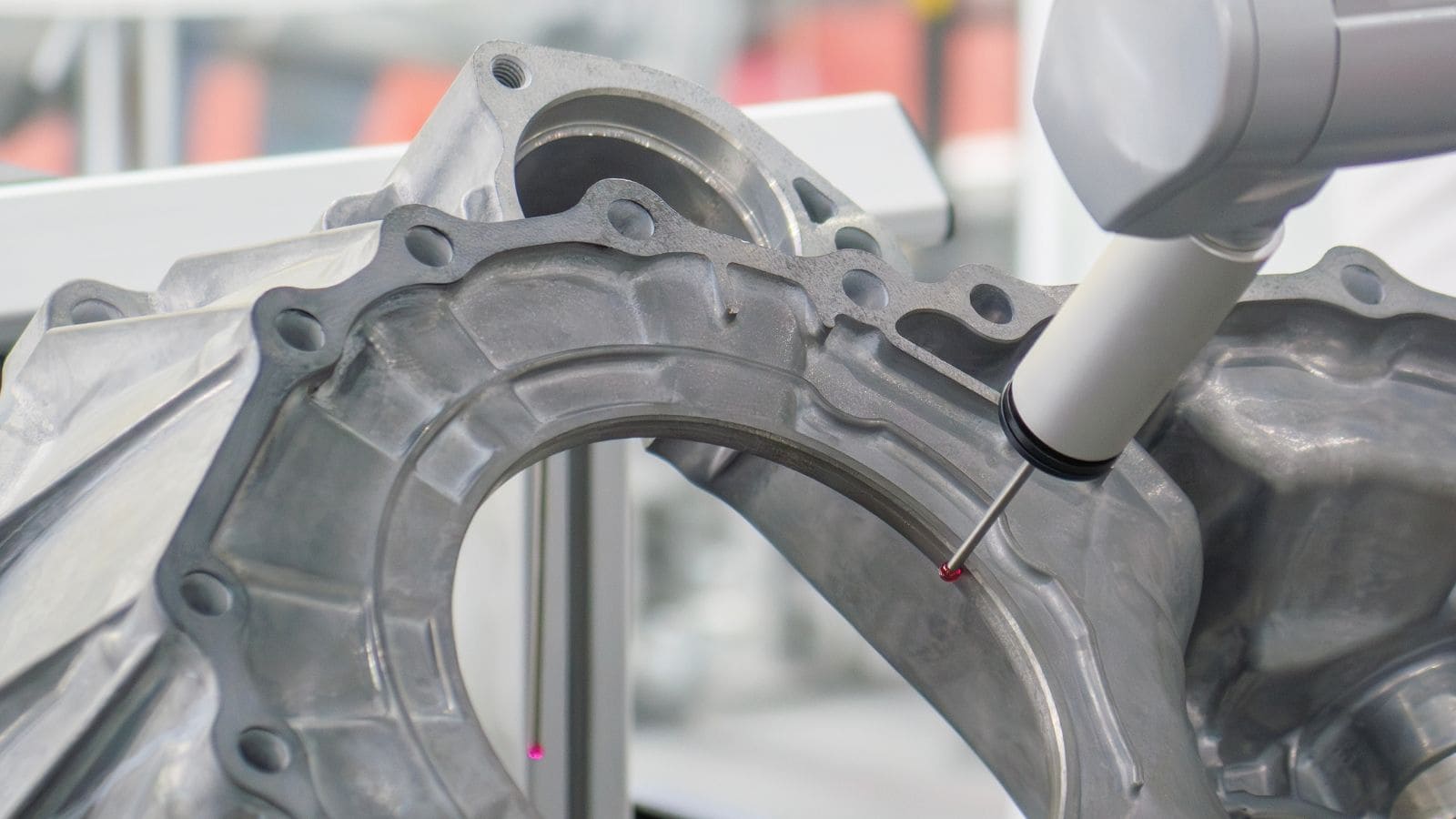
Manufacturing defects in die casting usually stem from controllable process variables that buyers must evaluate. Reliable suppliers control quality through three primary mechanisms:
- Metal Flow Dynamics: The strategic design of gates, runners, vents, and overflows determines whether the aluminum fills cleanly or suffers from trapped air and porosity.
- Precision Shot Control: The injection profile on the machine—including velocity curves and intensification timing—must be meticulously programmed.
- Thermal Stability: Die temperatures must remain strictly controlled. Thermal drift will cause dimensional warping and unpredictable defect rates even if all other variables remain constant.
When to Explore Alternative Manufacturing
While powerful, HPDC is not a universal solution. If your annual production volumes are low, the high cost of steel tooling will negatively impact your Return on Investment (ROI); in these cases, sand casting or CNC machining are better business choices.
Furthermore, if a component requires extreme pressure tightness, HPDC may struggle with internal porosity. Under those strict requirements, OEMs should explore alternative processes like squeeze casting or low pressure die casting (LPDC).
In general, HPDC is preferred for high-volume production, thin-wall geometries, and fast cycle times, while LPDC may be considered for certain parts that require more controlled filling and specific internal quality characteristics.
Optimizing Your RFQ for Accurate Pricing
To avoid endless back-and-forth communication and secure an accurate quote, OEMs must provide comprehensive data upfront. A reliable Request for Quote (RFQ) package must include:
- A 3D STEP file of the part geometry.
- 2D drawings highlighting Critical to Quality (CTQ) dimensions and tolerances.
- Accurate annual volume projections (crucial for tool life planning).
- Specific finishing, coating, or machining requirements.
- Any required leak-testing or pressure thresholds.
Providing these details allows the supplier to accurately assess part complexity, engineer a proper cavity-fill strategy, and propose tooling that will survive the production ramp-up.
Ready to Scale Your Aluminum Die Casting Program?
Securing reliable aluminum high capacity die casting production requires a manufacturing partner with proven capacity, strict quality control, and the right equipment to handle your volume.
Since 2008, Moldie has been delivering precision-engineered die casting molds and products for OEMs. Here is why engineering and purchasing teams trust us with their high-volume aluminum programs:
- Heavy-Duty Casting Capacity: Equipped with 10 cold chamber die casting machines ranging from 180T up to 2500T.
- Comprehensive CNC Machining: Over 30 in-house CNC machining centers and lathes guarantee tight tolerances and reliable secondary operations.
- Turnkey Surface Finishing: Complete post-casting treatments under one roof, including deburring, sandblasting, powder coating, electroplating, and electrophoretic paint.
- Strict In-House Testing: Advanced quality verification using CMMs for dimensional accuracy, spectrometers for precise alloy composition, and salt spray machines for corrosion testing.
- End-to-End Engineering: From blueprint translation and mold design and manufacturing to mass production, our team of expert engineers ensures seamless integration of your specifications.
Whether you need expert advice on alloy selection, mold design, or an accurate quote for your next program, our engineering team is ready to review your project. Visit moldiecasting.com today to submit your RFQ and start building better parts.
Frequently Asked Questions (FAQ)
What is the ideal production volume for High-Pressure Die Casting (HPDC)?
HPDC is specifically designed for high-volume manufacturing. Because the initial investment in hardened steel tooling is significant, it is typically recommended for production runs of at least 10,000 units per year.
At these higher volumes, the rapid cycle time of the HPDC process quickly amortizes the tooling costs, resulting in a highly economical price per part. For lower volumes, processes like CNC machining or sand casting may offer a better ROI.
How long does an aluminum die casting tool typically last?
The lifespan of a die casting mold (often called tool life) depends heavily on the specific aluminum alloy being cast, the complexity of the part geometry, and how well the supplier manages thermal stability during production.
On average, a well-maintained steel tool for aluminum HPDC can yield between 50,000 and 100,000 shots before requiring major refurbishment or replacement.
Can aluminum die-cast parts be made completely leak-tight?
Yes, but it requires precise engineering. Because HPDC injects molten metal at extremely high velocities, minor internal porosity (trapped air) is a natural characteristic of the process.
However, if your part requires pressure sealing or leak-tightness, suppliers can achieve this by optimizing the gate and venting design, utilizing vacuum-assisted die casting, or applying a post-casting impregnation process to seal any micro-porosity. Always specify your leak/pressure requirements clearly in your RFQ.