


Rotor die casting is a specialized manufacturing process that forms the major components (conductor bars and end rings) of a rotor in a single injection of molen metal. For OEM engineers and sourcing teams, this is viewed as a method of stable conductivity, low porosity, good balance, and repeatable dimensional accuracy.
However, unlike general cast parts, rotors combine electrical, mechanical, and dimensional requirements in one component, which calls for rigorous porosity control, concentricity, and process stability. In this blog, we will highlight the special requirements of rotor die casting, how to meet such demands with proper techniques, and lastly, how to find a suitable supplier for die cast rotors.
What Makes Rotor Production Different
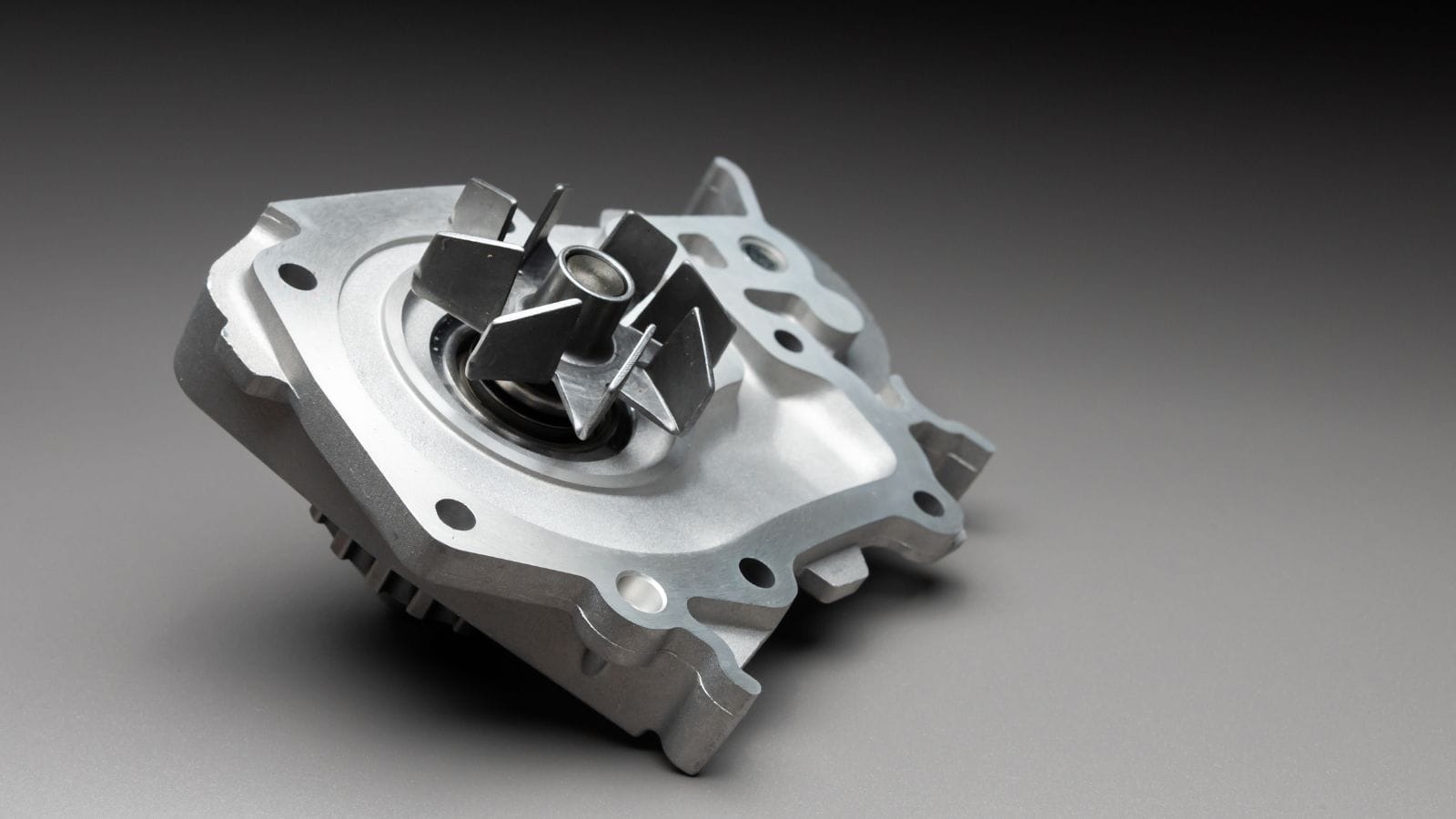
Rotors are built around a stack of thin electrical steel laminations with slots around the outer perimeter. During casting, molten metal fills these slots to create conductor bars and connects them through end rings at both ends of the stack. This produces the squirrel cage structure used in most induction motor rotors.
Because of this geometry, rotor die casting requires tighter control than many standard die casting programs. The process must support full slot filling, stable end ring formation, low internal porosity, and consistent rotor balance.
Common Materials for Rotor Die Casting
Aluminum is the most common material for rotor die casting because it offers a practical balance of conductivity, castability, weight, and production efficiency. It remains the standard choice for many induction motor programs.
Copper provides higher conductivity and can support higher motor efficiency, but it is harder to cast at scale because it requires higher processing temperatures and places more stress on tooling.
Zinc is more common in smaller and lower-temperature applications where castability and surface quality are important.
Magnesium appears only in limited weight-sensitive designs.
|
Material
|
Main Advantage
|
Main Limitation
|
Typical Use
|
|---|---|---|---|
|
Good balance of conductivity, castability, weight, and cost
|
Lower conductivity than copper
|
Most induction motor rotor programs
|
|
|
Higher conductivity
|
Higher processing temperature and greater tooling challenge
|
High-efficiency rotor applications
|
|
|
Good castability and surface quality
|
Less common for high-temperature rotor use
|
Small or specialized applications
|
|
|
Lightweight
|
Limited use in rotor programs
|
Weight-sensitive niche designs
|
To sum it up for buyers, rotor material selection is a tradeoff between conductivity, manufacturability, tooling life, and cost. The best option depends on motor performance targets and production volume.
Key Process Factors in Rotor Manufacturing
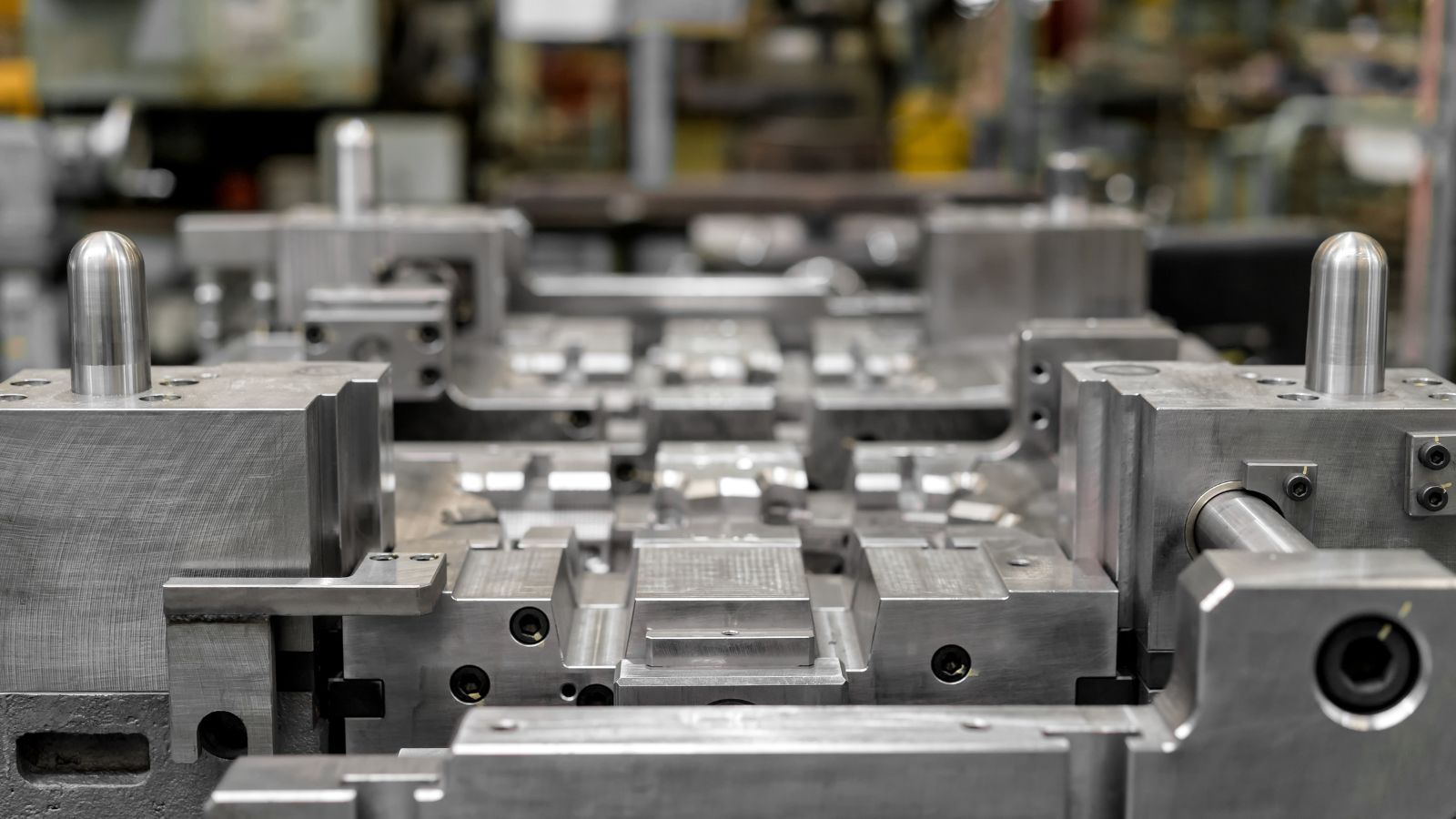
The rotor casting process starts with die preparation, insert handling, and controlled setup. Proper tooling is essential because the die must hold the lamination stack in the correct position and support complete filling of the rotor slots and end ring cavities. Since the process involves a loaded insert rather than an empty cavity, rotor production is more sensitive to alignment and thermal control than general die casting.
The most important process factors usually include:
- High quality die cast mold
- Accurate lamination stack positioning
- Stable die temperature control
- Reliable slot filling
- Controlled end ring formation
- Smooth and repeatable ejection
- Early inspection after casting
In many rotor programs, vertical machines are preferred because they help with lamination stack seating and alignment. For higher-output manufacturing cells, automated layouts such as multi-station indexing systems can improve consistency and throughput. Regardless of machine layout, success depends on stable die temperature, reliable slot filling, and controlled ejection. Poor ejection or unstable filling can affect end ring geometry, bore concentricity, and downstream rotor balance.
After casting, gate trimming and initial inspection are used to identify visible defects, incomplete fill, or dimensional issues before additional labor is added in machining and finishing.
Secondary Machining of Die Cast Rotor
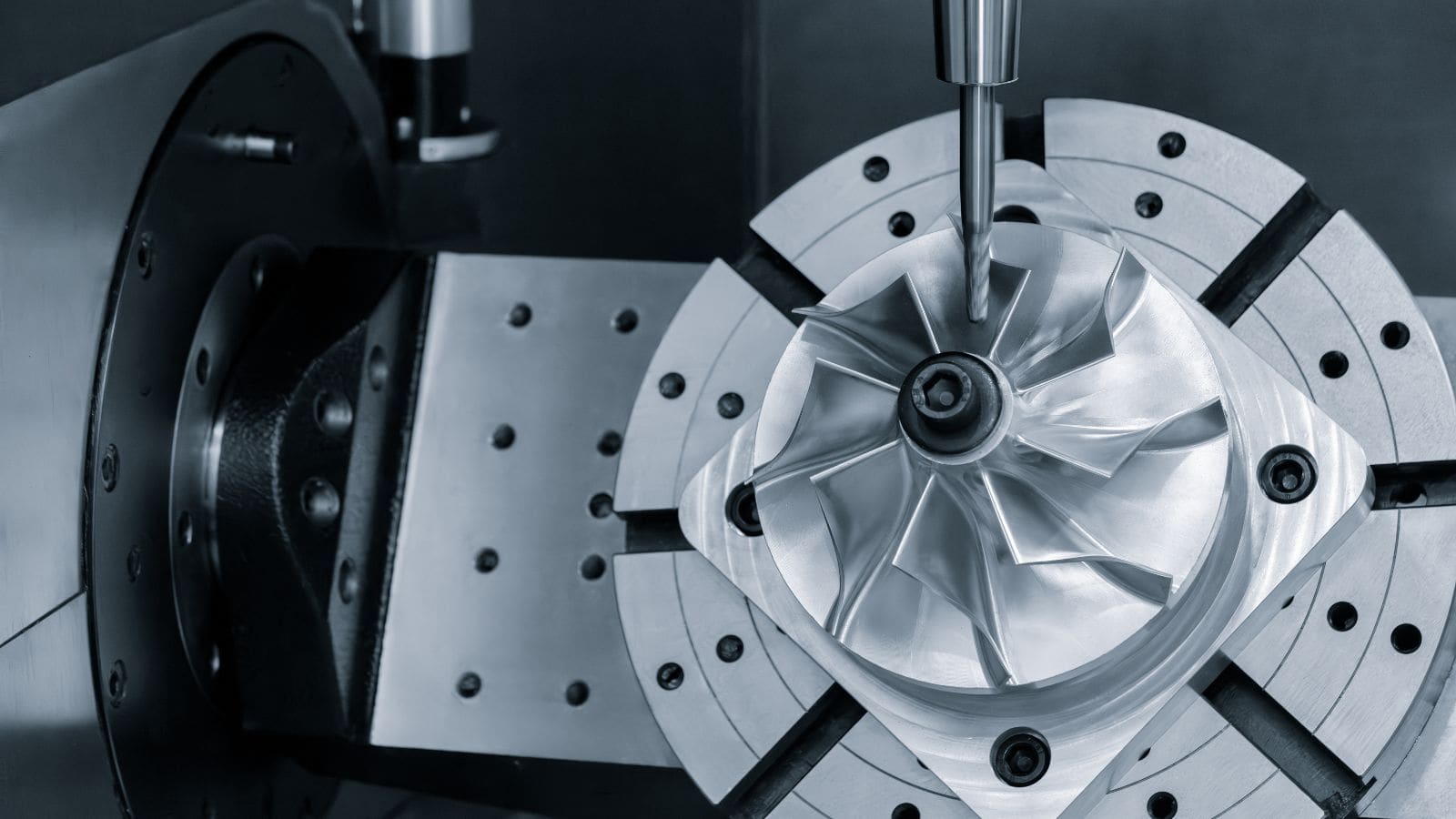
Even when the casting itself is successful, many rotors still require secondary machining before motor assembly. Rotor OD, bore diameter, end faces, concentricity, and runout often need tighter control than casting alone can reliably deliver. This is where post-machining becomes an important part of the manufacturing plan.
Rotor bore and OD finishing directly affect shaft fit, air gap consistency, vibration level, and assembly yield. In some programs, teams may also compare CNC machining vs die casting when deciding how much geometry should be cast and how much should be finished afterward. For motor manufacturers, the most important result is not the machining method itself, but whether the supplier can deliver rotors that are ready for stable shaft assembly, balancing, and final integration.
Quality Checks That Matter for Rotor Performance
Rotor die casting quality should be evaluated across three areas: internal soundness, dimensional control, and process consistency. Surface appearance alone is not enough for rotor validation because many performance risks are internal.
X-ray inspection is one of the most important methods for confirming porosity levels in conductor bars and end rings. Internal voids can interrupt the electrical path, increase resistance, and reduce motor efficiency. Dimensional checks using CMM help verify bore size, stack height, OD, and end ring geometry. Material verification confirms alloy composition, while electrical resistance testing can be used as a functional check of conductor integrity.
For sourcing teams, these controls matter because rotor defects often do not show up clearly until balancing, shaft pressing, or final motor testing. A supplier that can document porosity control, dimensional verification, and stable process windows is in a much stronger position to support long-term rotor programs.
How to Evaluate a Rotor Die Casting Supplier
If you are sourcing rotor components, the best supplier questions are not only about price. They should also cover tooling, simulation, process control, and in-house capability.
When evaluating a supplier, buyers should pay attention to:
- A clear understanding of rotor casting requirements and production challenges
- Mold flow analysis or simulation to support tooling and process development
- Strong control over porosity, conductivity, and dimensional consistency
- Integrated capabilities in tooling, casting, machining, and inspection
- Responsive engineering support for design revisions and tooling changes
- Documented processes and dependable quality systems for repeat production
From a manufacturing perspective, buyers should also look for suppliers that can manage tooling, casting, machining, inspection, and follow-up operations in one coordinated workflow. That kind of integration improves traceability, reduces handoff risk, and supports better consistency from pilot runs to volume production. For rotor programs with stricter requirements, certifications and process documentation are also key indicators of supplier readiness.
Moldiecasting: Your Rotor Casting Specialist for Molds and Parts
Rotor die casting is an efficient solution for producing induction motor rotors in volume, but successful results depend on more than casting alone. Conductivity, porosity control, rotor balance, end ring integrity, and machining accuracy all need to be managed carefully to achieve reliable motor performance. That is why OEMs and sourcing teams typically look for suppliers that understand both die casting and the specific manufacturing demands of rotor components.
With integrated support across tooling, casting, machining, and quality inspection, Moldie helps customers move rotor projects from development to stable production with greater confidence. If you are evaluating suppliers for rotor die casting or other precision die casting parts, contact Moldie to discuss your application and production needs.