


For engineers and sourcing managers, precision die casting is the most reliable manufacturing process from prototype to high-volume production. However, achieving repeatable accuracy requires more than just basic foundry work. It demands optimized part design, high-quality in-house tooling, and strict process controls.
This guide dives into what actually matters for your next project: how to optimize part geometry for manufacturability, control quality to prevent defects like porosity, and reduce total costs through turnkey secondary operations.
How Process Stability Delivers Accuracy and Repeatability
Precision die casting depends on stable process parameters, well-designed tooling, and machines capable of delivering consistent pressure cycle after cycle.
Why Tight Tolerances Depend on Process Control
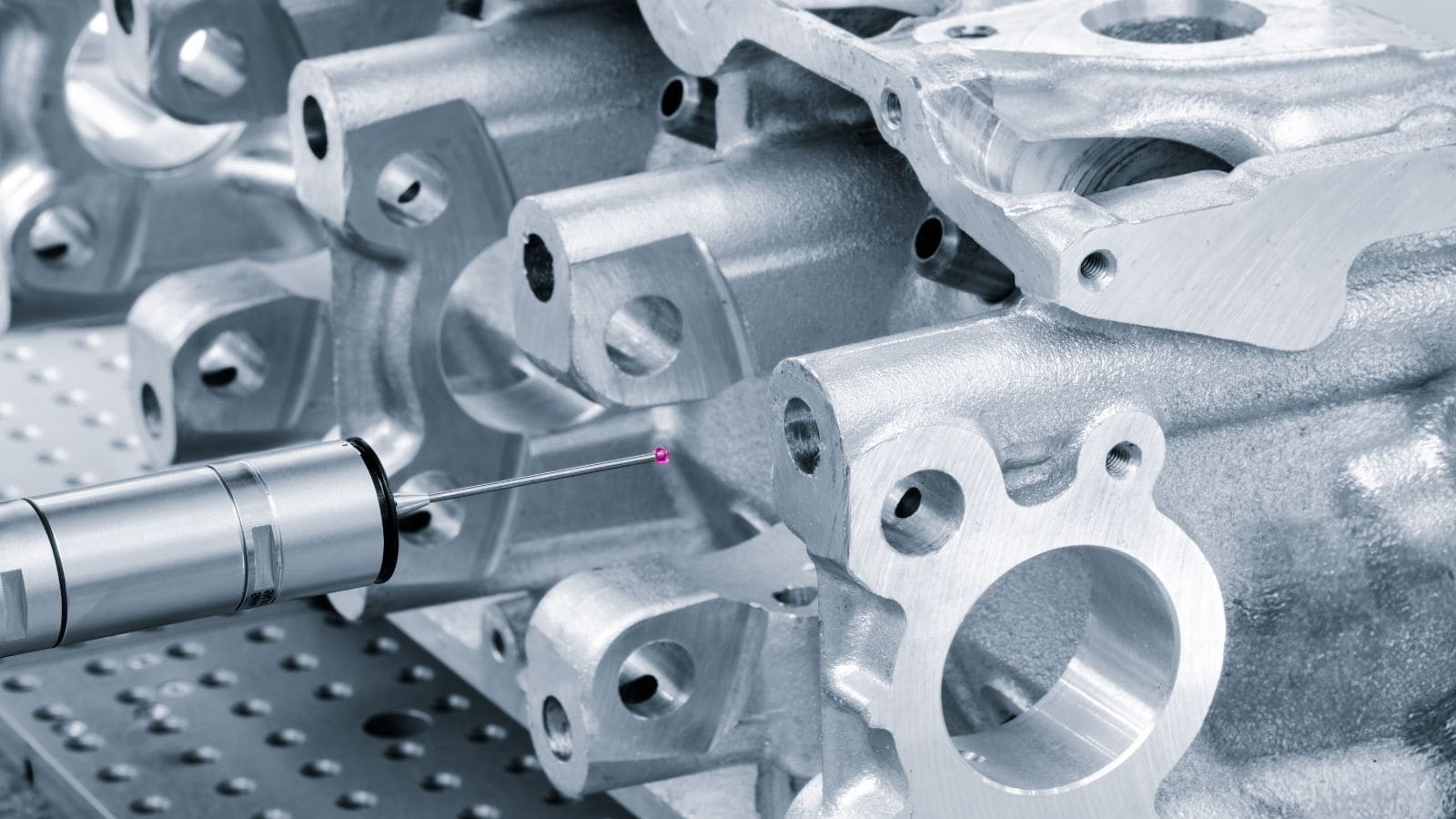
Achieving tolerances within ±0.002 inches per inch requires control over several variables:
- Metal temperature at injection
- Die temperature before and during the shot
- Injection speed and pressure profiles
- Cooling time before ejection
Small shifts in any of these parameters cause dimensional variation. Modern die casting machines use real-time monitoring and closed-loop controls to keep each shot within a narrow process window.
Die-cast parts produced under stable conditions show less shrinkage variation, fewer surface defects, and more consistent wall thickness. This repeatability is what separates precision die casting from general foundry work.
When High-Pressure Methods Make Sense for Production
High-pressure die casting is most cost-effective when production volumes exceed several thousand pieces. The upfront investment in tooling is significant, but per-part costs drop quickly at scale.
This method suits parts that need smooth surfaces, thin walls (as low as 0.5 mm for zinc), and complex internal or external features. For runs of 10,000 or more, high-pressure die casting typically delivers the best balance of speed, cost, and dimensional accuracy.
Optimizing Materials and Part Geometry (DFM)
Material selection and part geometry directly affect manufacturability, cost, and performance. Design must account for the limits of the process to avoid defects and unnecessary secondary work.
Why Aluminum Is the Go-To Choice
Aluminum die casting accounts for a large share of high-pressure production. Alloys such as A380, A383, and A360 offer a combination of strength, corrosion resistance, and thermal conductivity. Key advantages include:
- Low density relative to steel or iron
- Good surface finish straight from the die
- Strong structural integrity for load-bearing parts
- Thermal and electrical conductivity for heat sinks and housings
Design Features That Improve Manufacturability
Good die casting design starts with features that support clean metal flow, uniform cooling, and easy ejection:
- Uniform wall thickness prevents hot spots and uneven shrinkage.
- Draft angles of 1 to 3 degrees on walls parallel to the die pull direction allow clean ejection.
- Generous fillet radii at internal corners reduce stress concentrations and improve metal flow.
- Ribs instead of thick sections add stiffness without increasing material use or cycle time.
- Bosses with proper base thickness support fasteners without creating sink marks.
Navigating the Limits: Thin Walls and Undercuts
Die casting handles many complex geometries, but some features create challenges. Undercuts require side cores or slides in the die, which increase tooling cost and maintenance. Parts with tight internal cavities may also trap air, leading to porosity in critical areas.
Working with the die caster’s engineering team during the design phase helps identify these issues early. Small geometry adjustments often eliminate the need for expensive tooling features or secondary machining.
Tooling and Machines: The Foundation of Quality
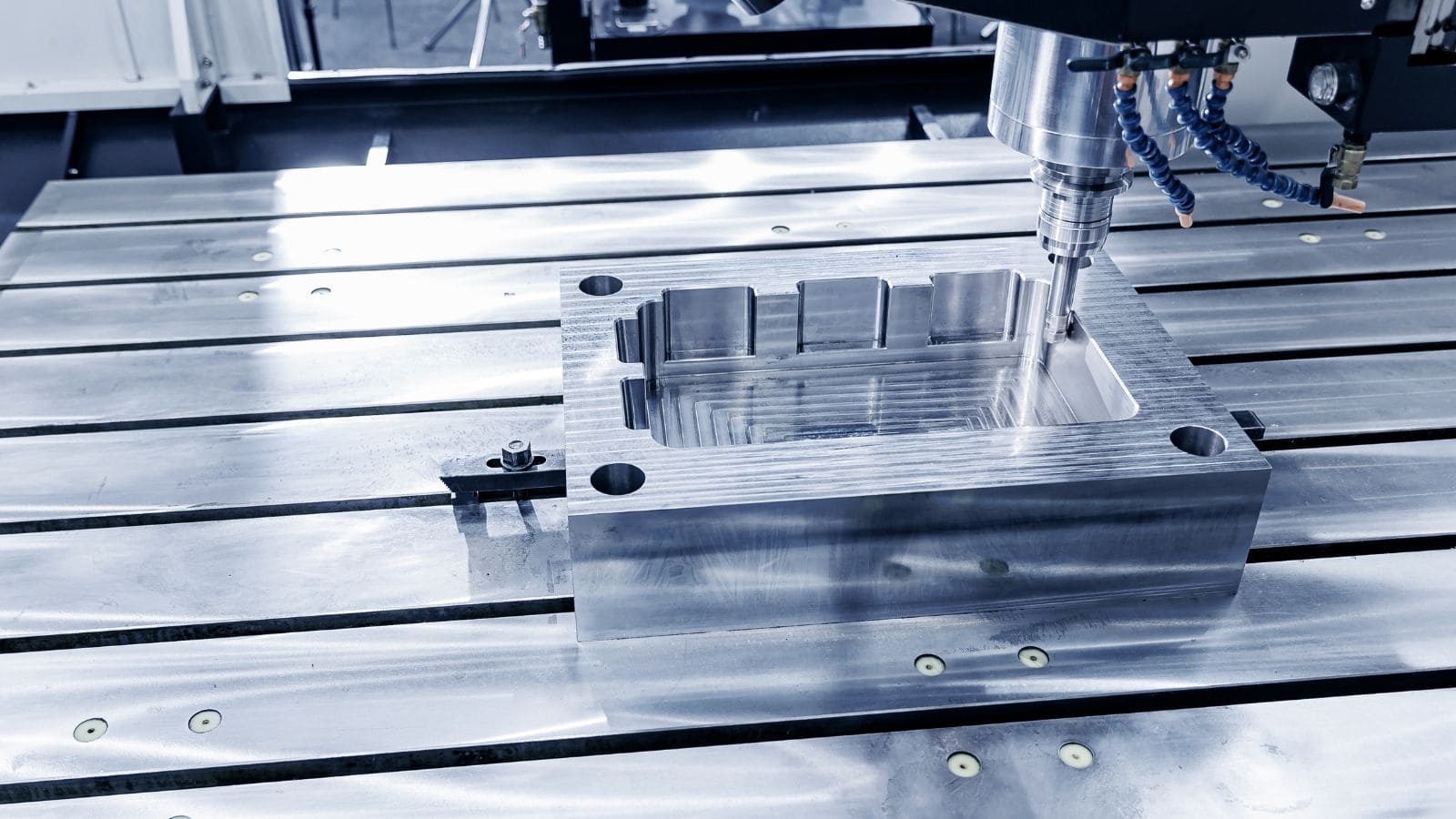
Tooling quality and machine selection set the foundation for every part produced. Decisions made during setup affect cycle time, part accuracy, tool life, and total production cost.
What Good Tooling Design Controls From the Start
Die casting tooling is typically made from H13 tool steel, heat-treated for hardness and thermal fatigue resistance. A well-designed die controls several critical factors:
| Tooling Feature | What It Controls |
|---|---|
| Gate location and size | Fill pattern, air entrapment, surface quality |
| Cooling channels | Cycle time, dimensional consistency, die life |
| Ejector pin layout | Part release without distortion or marks |
| Venting | Trapped gas reduction, porosity prevention |
| Core and slide design | Undercut capability, maintenance frequency |
Investing in quality tooling from the start reduces unplanned downtime and per-part cost.
Choosing the Right Machine Tonnage
Machine tonnage must be sufficient to keep the die halves closed against the force of injected metal. Undersized machines produce flash and dimensional inconsistency, while oversized machines waste energy and floor space. Other machine factors, such as shot size capacity and tie bar spacing, must strictly match the die envelope for each part.
Scaling from Prototype to High-Volume Output
Prototype tooling (soft tooling) helps validate part design before committing to production tooling. Production tooling is built to last the full program volume and features interchangeable inserts for wear surfaces. The transition should always include a first-article inspection (FAI) process to confirm final tooling meets all dimensional requirements.
Quality Systems: Defect Prevention and Inspection
Consistent quality demands systematic process control, targeted inspection methods, and a quality management framework that catches problems before they reach the customer.
Controlling Porosity for Strength and Sealing
Porosity is the most common defect in die-cast parts, compromising structural integrity and causing leaks. Reducing porosity starts with proper venting, optimized gate placement, and vacuum-assisted filling to remove trapped air.
Advanced Inspection: CMM and X-Ray Verification
Multiple inspection methods are used across the production process:
- Coordinate measuring machines (CMM): Provide precise dimensional data for critical features.
- X-ray and CT scanning: Reveal internal porosity, inclusions, and voids without destroying the part.
- Visual and surface inspection: Catches flash, cold shuts, and cosmetic defects.
- Patrol inspections: Sample parts at regular intervals during a production run to catch drift early.
The Value of IATF and ISO 9001:2015 Certification
A robust Quality Management System (QMS) is what separates a reliable manufacturing partner from a high-risk vendor. At a baseline, ISO 9001:2015 certification ensures a supplier maintains traceable records, calibrated equipment, and a structured corrective action process to drive continuous improvement.
However, for highly regulated sectors, IATF 16949 certification takes quality assurance to the highest level. Developed for the automotive industry, this stringent standard shifts the focus from merely detecting defects to actively preventing them. It requires the mastery of core quality tools such as Advanced Product Quality Planning (APQP), Failure Mode and Effects Analysis (FMEA), and the Production Part Approval Process (PPAP).
By adhering to both ISO and IATF standards, a die casting supplier proves they have the rigorous framework needed to handle high-stakes, high-volume production. For buyers, this translates to reduced supply chain risk, minimized variation from batch to batch, and a documented commitment to zero defects.
Final Step for Tightest Tolerance: The Role of Secondary Operations
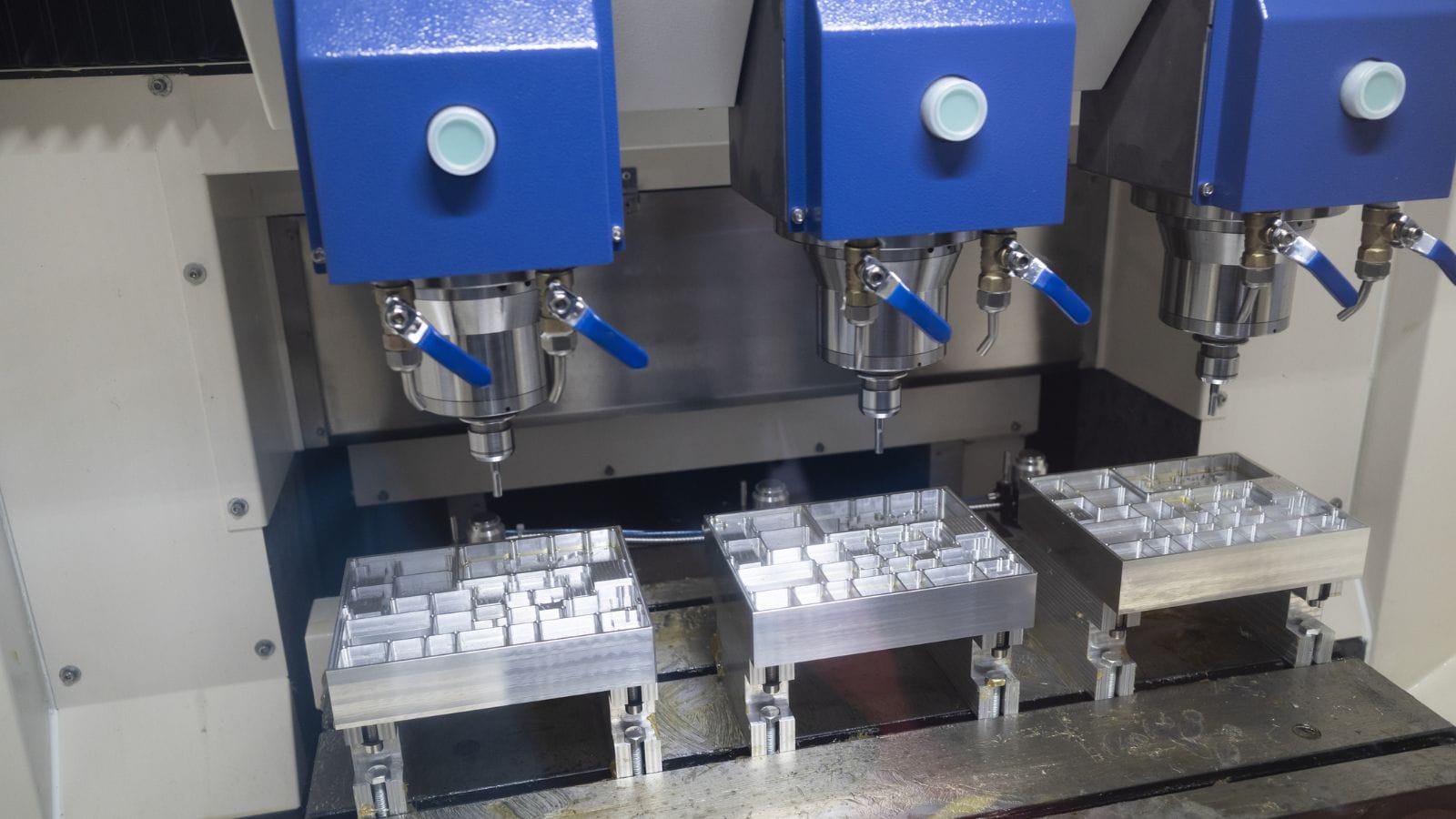
While precision die casting achieves excellent near-net shapes, the most critical tolerances—such as threaded holes and ultra-flat mating surfaces—often require secondary CNC machining to reach final assembly specifications.
CNC Machining and Flash Trimming
Secondary CNC machining is common for features that exceed as-cast tolerance capabilities, including threaded holes, precision bores, O-ring grooves, and flatness-critical mounting faces.
Surface Finishing for Function and Cosmetics
Common finishing options for aluminum die casting include:
| Finish Type | Purpose |
|---|---|
| Anodizing | Corrosion resistance, color, hardness |
| Powder coating | Cosmetic appearance, weather resistance |
| Chromate conversion | Corrosion protection, paint adhesion |
| Plating (nickel, chrome) | Wear resistance, conductivity, appearance |
| Shot blasting/Tumbling | Uniform matte texture, burr removal |
How In-House Operations Reduce Lead Time and Cost
Every secondary operation adds cycle time and cost. Designing parts to minimize secondary work (via tighter as-cast tolerances and built-in draft) reduces cost. Furthermore, utilizing a supplier with in-house machining and finishing capabilities typically offers shorter lead times and better quality control.
Why Choose Moldie for Your Precision Die Cast Projects?
Selecting the right supplier is about minimizing risk and maximizing value over the life of your program. You need more than just machine time—you need engineering depth, reliable capacity, and strict quality control.
At Moldie Casting, we don’t just quote parts; we engineer solutions. We tick all the critical boxes for long-term production success:
- Proven Experience Across Demanding Industries: We manufacture transmission housings, engine brackets, and EV enclosures, ensuring tight tolerances on mating surfaces for seamless assembly-line fit.
- In-House Engineering & Tooling: We provide comprehensive DFM feedback, mold flow simulation, and design our tooling in-house to ensure optimal fill and extended tool life.
- True Turnkey Manufacturing: From raw aluminum to final assembly. We handle high-pressure casting, precision CNC machining, and surface finishing entirely under one roof, significantly reducing your lead times and shipping costs.
- Scalable, Certified Quality: As an ISO 9001:2015 and IATF certified manufacturer, we offer transparent capacity planning, rigorous in-process inspections (including CMM and X-ray), and proactive die maintenance to guarantee minimal dimensional drift even in high volume production.
Ready to move your project from design to flawless production? Stop worrying about supply chain bottlenecks, missed deadlines, or quality escapes. Visit moldiecasting.com and let our engineering team review your part for manufacturability today.