


When searching for “steel die casting,” you probably think steel is a strong choice for die casting. On this topic, experts at Moldie will give you a straight answer:
Steel generally isn’t used for die casting because of its high melting point and poor flow, aside from niche and experimental attempts.
However, this answer does not fulfill your need for a durable and high-quality part, so in this blog, we will demonstrate other options with metal die casting, as well as more alternative steel casting methods.
Why Steel Isn’t Used in Die Casting
Steel doesn’t perform well in die casting because it needs extreme heat, does not flow well, and puts heavy stress on molds. These limits raise tooling cost, slow production, and increase the risk of casting defects.
High Melting Point of Steel and Thermal Stress on Molds
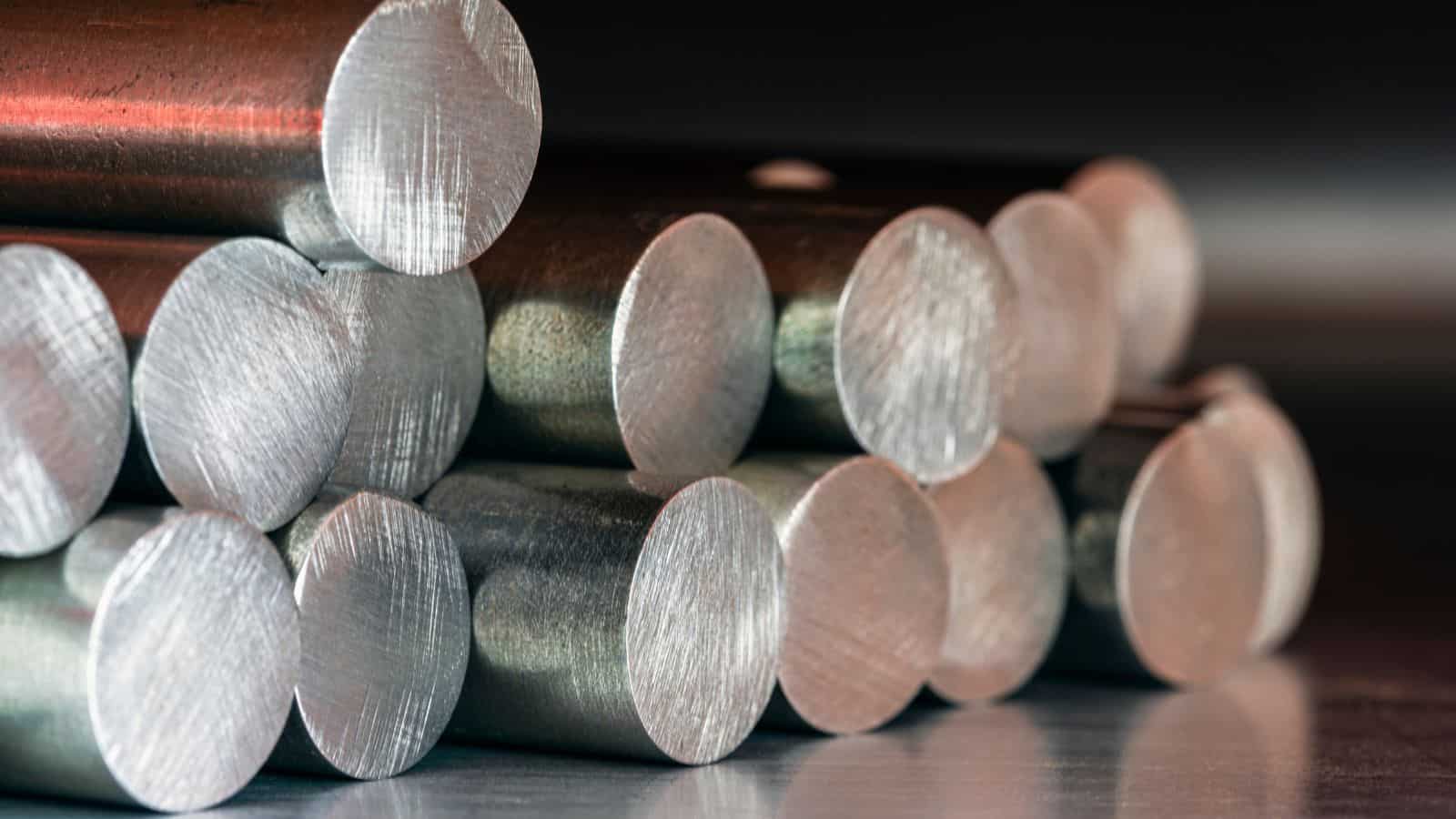
Steel has a melting point around 1,370°C, which is far higher than metals used in die casting. Aluminum melts at about 660°C, and zinc melts near 420°C. This large gap creates major process limits.
Steel’s high pouring temperature creates severe thermal stress on molds. Each shot heats the mold fast, then cools it just as fast. This cycle of high thermal impact causes cracking, warping, and early failure.
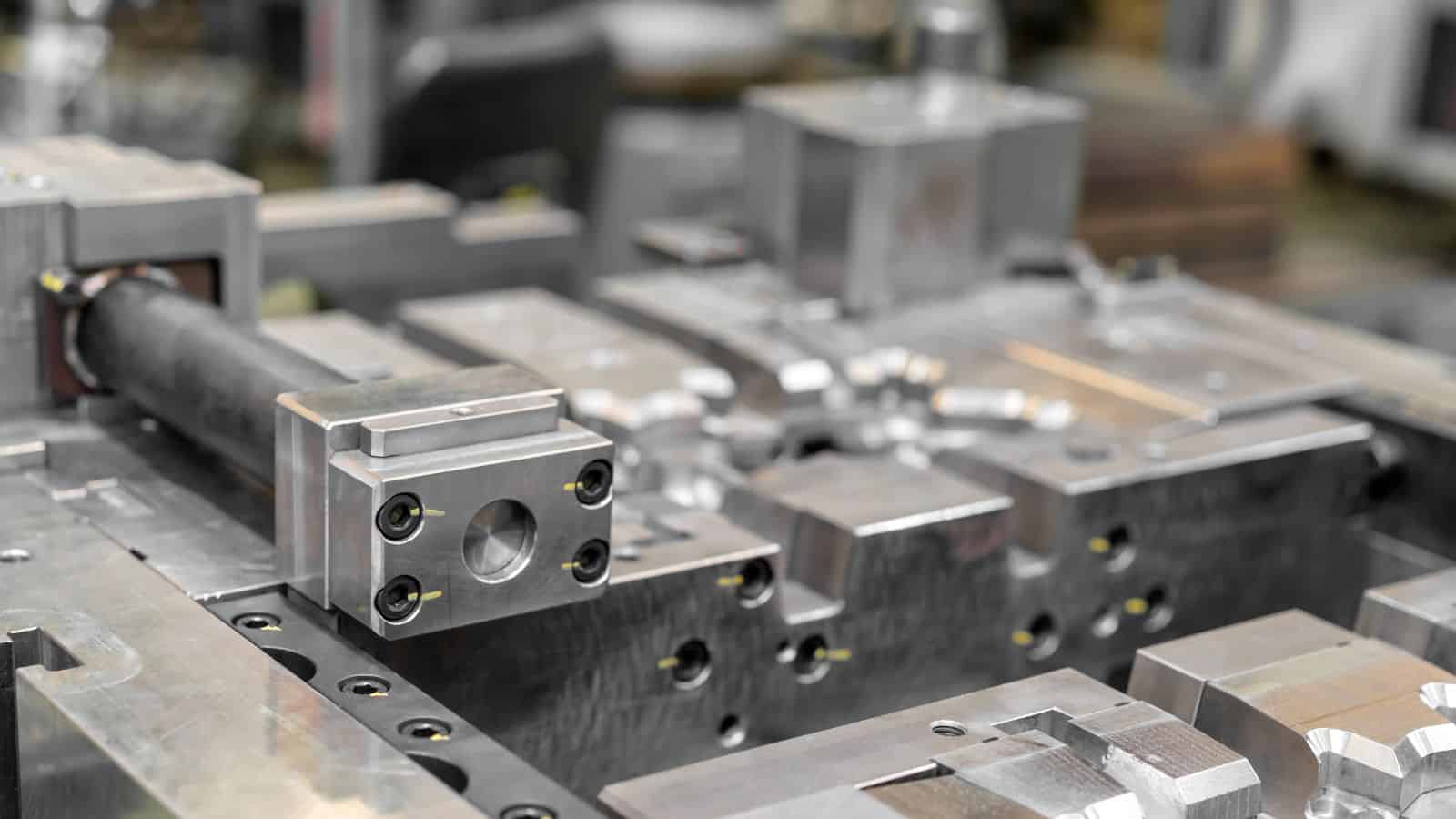
Die casting molds are often made from hardened tool steel. Even these materials can be damaged under steel casting heat. The result is heavy mold wear and frequent repairs.
Short mold life increases downtime and cost. For mass production, this damage makes steel a poor choice compared to lower-temperature metals.
Poor Flow and Rapid Solidification
Compared with aluminum or zinc alloys, molten steel has higher viscosity and loses its superheat quickly when injected into a heavily cooled die. A solid skin forms rapidly at the mold walls, so the remaining liquid metal has difficulty filling thin sections and intricate details within the very short filling times typical of high‑pressure die casting.
This shortcoming also traps gas and creates internal voids, which cause casting defects such as cold shuts, misruns, and uneven surfaces. These issues raise scrap rates and reduce part quality. In the rapid die casting process, steel becomes much harder to control. This removes the speed advantage that defines die casting and further raises tooling costs.
Die Casting Material Selection for Equally Durable Parts
Although steel is not a good candidate for die casting, this metal casting process still holds great potential for producing highly durable parts with intricate designs similar to steel casting.
This chapter will be an introduction to the common die casting metals like aluminum, zinc, magnesium, and copper alloys, so you can understand their strength and flexibility.
Aluminum and Aluminum Alloys
Aluminum die casting leads the industry because aluminum alloys melt at relatively low temperatures, which allows fast cycle times and long die life. The molten metal flows well under pressure and fills thin walls with good detail.
The metal also offers a strong balance of strength and weight. This matters in automotive and electronics parts, where mass affects performance. Aluminum resists corrosion and accepts coatings easily.
Zinc and Zinc Alloys
Zinc die casting uses zinc alloys with very low melting points, often near 420°C. This allows rapid cycles, low energy use, and excellent surface finish. Zinc fills fine features better than aluminum because of its great fluidity, which supports tight tolerances.
Manufacturers often choose zinc alloys for small and medium parts. Common uses include connectors, housings, and hardware. Zinc also reduces tool wear, which lowers long-term cost.
Magnesium and Copper Alloys
Magnesium alloys melt at low temperatures and weigh less than aluminum. Die casting magnesium supports thin walls and complex shapes, and also has superior machinability. This suits aerospace and automotive parts where weight matters.
Copper alloys, including brass and bronze, appear less often in die casting. They melt at relatively higher temperatures than aluminum or zinc but still remain usable. These alloys provide high electrical and thermal conductivity.
Alternative Steel Casting Methods
Several proven processes handle steel’s high melting point and limited flow better than die casting. These methods trade speed for heat tolerance, mold flexibility, and control over solidification, which suits ferrous casting needs.
Sand Casting for Steel
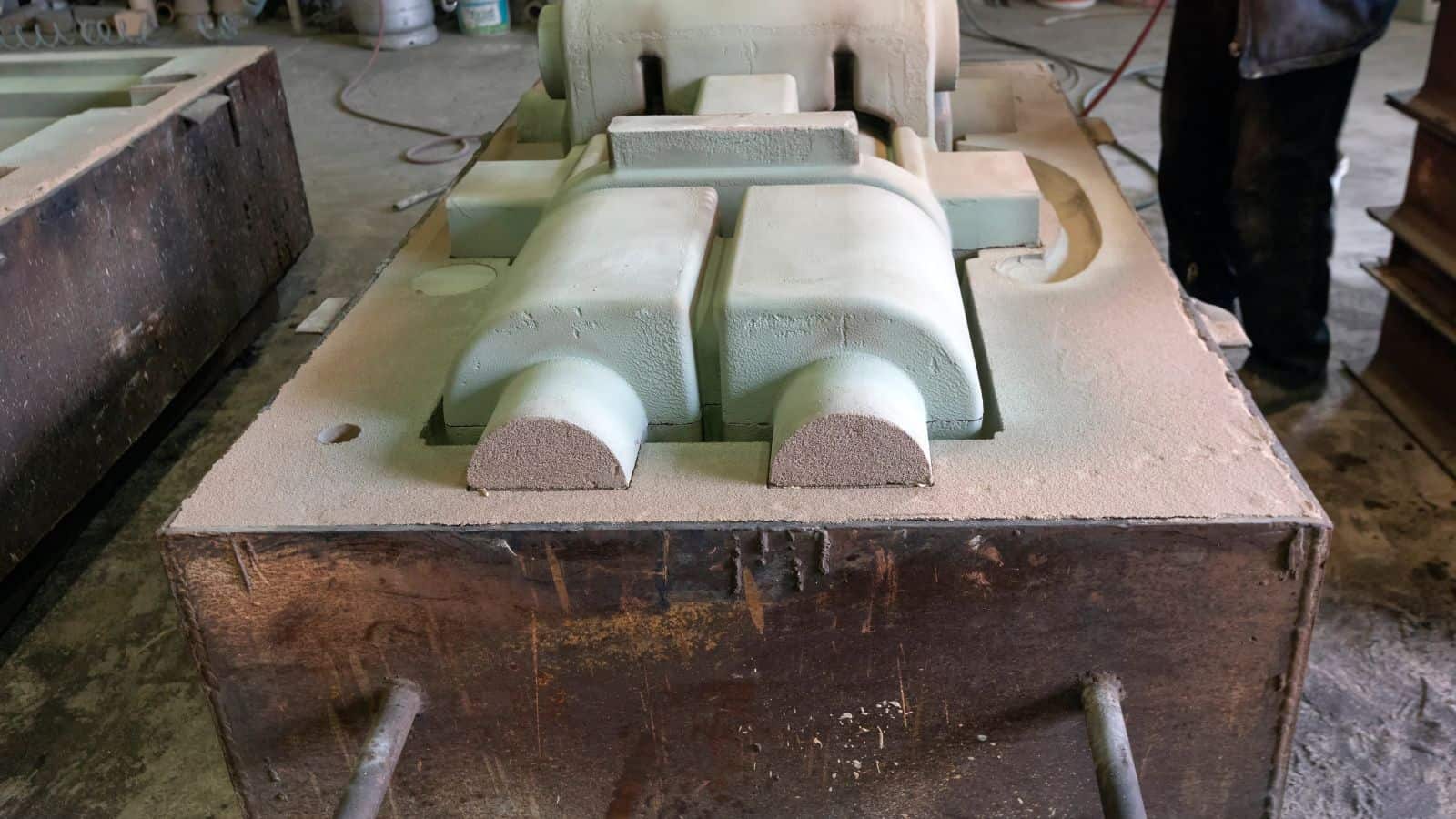
Sand casting remains one of the most common manufacturing processes for steel casting. It uses compacted sand molds that tolerate very high temperatures without damage. Foundries often choose this method for large parts or low to medium volumes.
The process works well for steel casting and iron casting. Sand molds allow thicker sections and simple gating, which helps steel fill the cavity before it cools.
Surface finish and accuracy stay lower than die casting, but costs also stay reasonable. Designers also gain freedom to create complex geometries that permanent molds cannot handle.
Key traits of sand casting
- Handles high heat from ferrous metals
- Works for large and heavy parts
- Supports steel and gray iron alloys
Investment Casting for Steel
Investment casting, also called lost-wax casting, produces detailed steel parts with tight tolerances. A wax pattern forms the shape, which a ceramic shell then surrounds. After heating removes the wax, molten steel fills the cavity.
This method suits parts with thin walls, fine details, and smooth surfaces. It works well for complex geometries that machining would cost too much to produce.
Investment casting costs more per part than sand casting. It fits best when precision matters more than speed or part size.
Common uses
- Valves and fittings
- Aerospace and industrial components
- Precision ferrous casting parts
Centrifugal Casting
Centrifugal casting uses rotation to force molten steel against a mold wall. This motion removes air pockets and pushes impurities toward the center. The result is dense metal with a strong grain structure.
Manufacturers often use this process for pipes, rings, and bushings. It works well for steel and other ferrous casting materials that need high strength.
The method limits shape options. It does not suit parts with internal details or sharp corners.
Typical products
- Steel pipes and tubes
- Bearings and sleeves
- Thick-walled cylindrical parts
Other Near Net Shape Processes
Several near-net-shape methods support steel when standard casting falls short. Continuous casting forms steel billets and slabs with consistent quality. These shapes later undergo rolling or forging.
Metal injection molding handles small steel parts with fine detail. It blends metal powder with a binder, then sinters the part to full strength.
These processes reduce waste and machining. They also support repeatable results in high-volume steel casting.
| Process | Best For | Key Benefit |
|---|---|---|
| Continuous casting | Billets and slabs | Uniform structure |
| Metal injection molding | Small steel parts | High detail |
| Precision forging | Dense steel parts | Strength and accuracy |
Potentials in Future Steel Die Casting
Research teams continue to explore limited paths for steel die casting, even though major barriers remain. Progress focuses on mold durability, process control, and narrow use cases where other methods do not suffice.
Making Molds Last Longer
The biggest problem is mold life. Steel melts at very high temperatures that quickly damage regular molds. Researchers are testing three main solutions:
- Stronger tool steels – Can handle more heat but cost a lot
- Ceramic inserts – Resist extreme heat but break easily
- Protective coatings – Help molds last longer but still wear out quickly
Some teams are building molds where only the hottest parts use special heat-resistant inserts that can be replaced when worn.
So far, these approaches have only shown promise in laboratory trials and very limited niche production. They are far from being competitive with conventional non‑ferrous die casting in terms of cost, speed, or robustness.
Better Process Control
Most progress comes from controlling the casting process more carefully. Engineers are trying:
- Slower metal injection to reduce shock
- Better cooling systems
- Vacuum technology to remove air bubbles
- Sensors that monitor temperature and pressure in real-time
This monitoring helps catch problems before molds fail. Most of this work is still experimental and done in labs, focusing on making the process reliable rather than fast or cheap.
Conclusion
Research into steel die casting continues in narrow niches, mainly small, complex, highly loaded parts where other metals cannot meet strength or wear demands.
In most real‑world projects, you will get better performance, reliability, and overall cost control by pairing non‑ferrous die casting alloys with high‑volume and cost-effective production and reserving steel for processes optimized around its demanding behavior.
Frequently Asked Questions
If I need parts as strong as steel, which die-casting metals should I consider first?
If you are aiming for performance comparable to many steel applications, start by considering high‑strength aluminum die casting alloys and selected copper‑based alloys.
Aluminum can provide an excellent strength‑to‑weight ratio, good corrosion resistance, and compatibility with surface treatments for added durability.
Copper alloys can offer outstanding thermal and electrical conductivity along with good mechanical properties, making them ideal for parts that must handle both structural load and heat or current.
While their absolute strength may not match the highest‑strength steels, they often provide sufficient mechanical performance with major benefits in weight and manufacturability.
What are “near net shape” processes, and how do they help with steel components?
Near net shape processes are methods that produce parts very close to their final geometry, reducing machining and material waste.
For steel, this includes continuous casting (for billets and slabs that will be rolled or forged), metal injection molding (for small, intricate parts), and precision forging (for highly loaded components requiring excellent strength and dimensional accuracy).
These approaches can lower total production cost and improve consistency compared to fully machined parts from bar or plate.