


Die cast gearbox housings are widely used in automotive and industrial equipment. For buyers, the main challenge is finding a supplier that can control tooling risk, internal quality, machining accuracy, and production consistency during the die casting process.
This guide explains the key design, material, quality, and supplier considerations that affect gearbox housing projects, and aims to help sourcing teams evaluate manufacturers more effectively before tooling and mass production.
What Die Casting Gearbox Housings Must Achieve
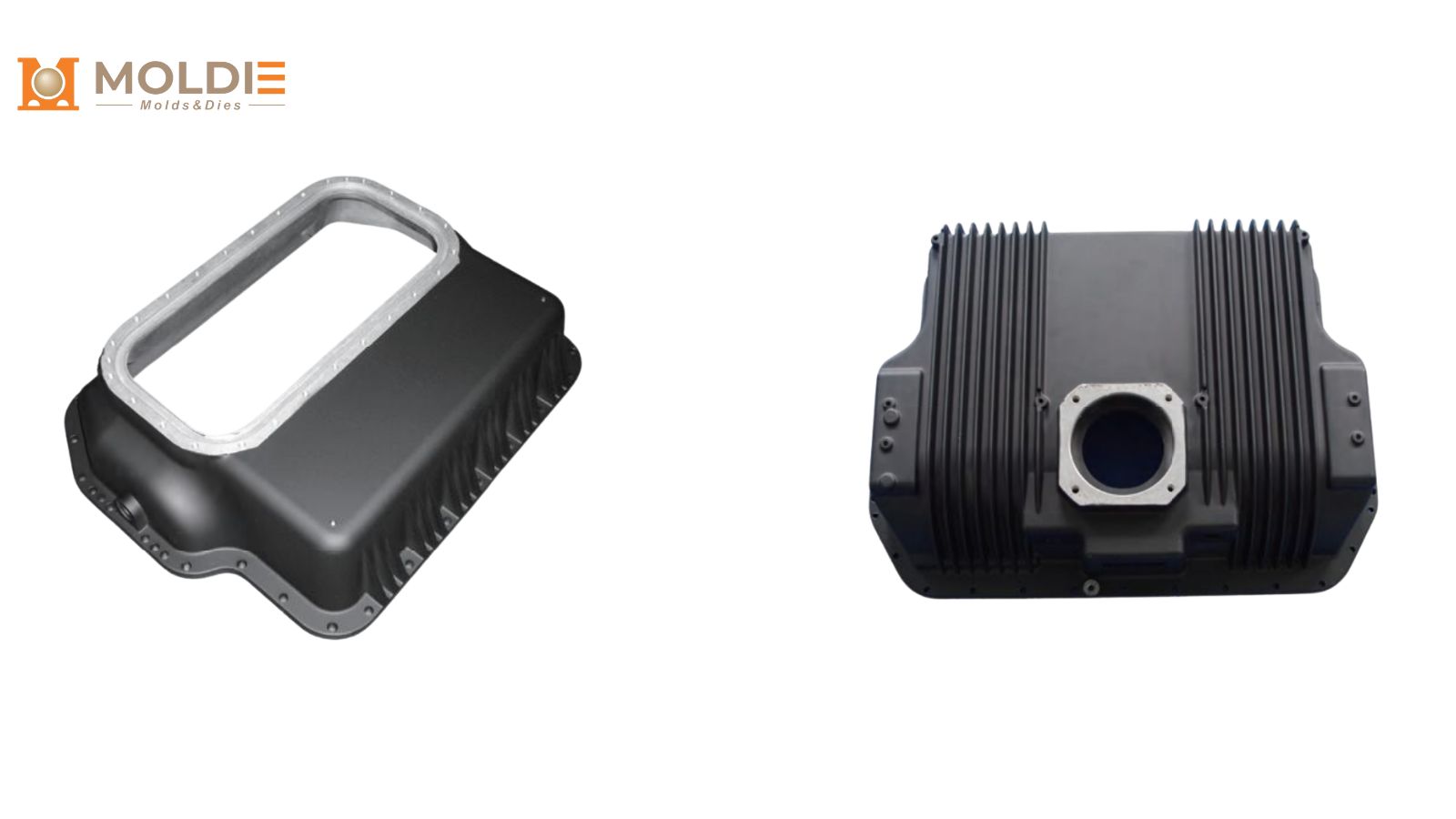
A gearbox housing supports gears and bearings, maintain accurate alignment, contain lubricant without leakage, and manage heat generated during operation. These requirements make it one of the more demanding structural die cast parts.
From a manufacturing perspective, the housing must deliver four things at the same time:
- Structural stability to support loads without distortion
- Dimensional accuracy for bearing bores, shaft positions, and mounting faces
- Sealing reliability to prevent lubricant leakage
- Thermal performance to reduce heat buildup and improve service life
If any of these are compromised, the final assembly may suffer from noise, poor efficiency, leakage, or shortened durability.
Why Aluminum Alloys Are the Preferred Material
Aluminum is the most common material for die cast gearbox housings in both OEM and industrial programs. It offers a practical balance of low weight, good thermal conductivity, corrosion resistance, and strong castability for complex shapes.
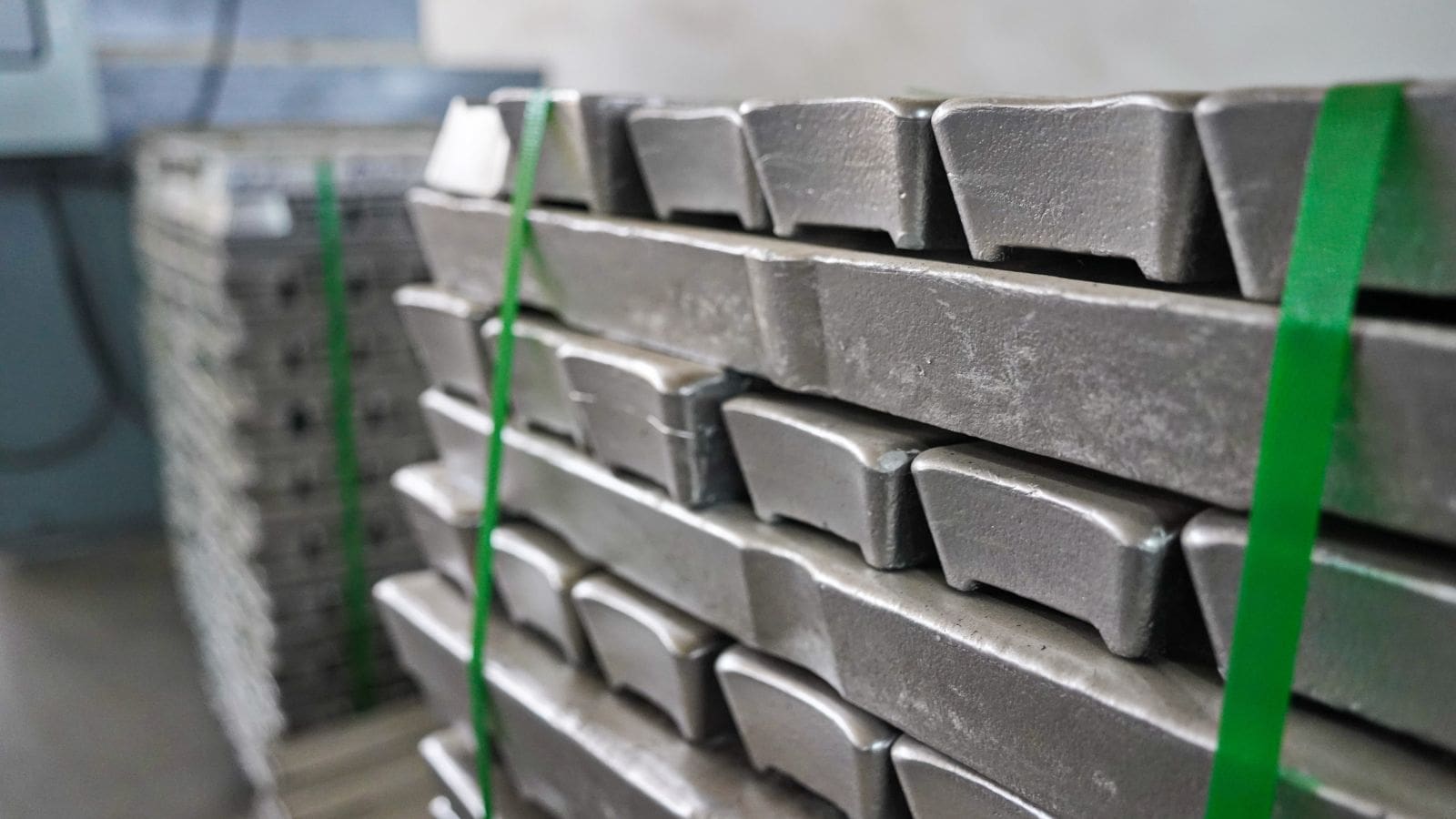
Aluminum gearbox housings are commonly made from these alloys:
A380
A380 is a reliable general-purpose alloy for gearbox housings. It offers good strength, dimensional stability, and corrosion resistance, making it suitable for many standard structural applications.
A383 / ADC12
A383, also widely known as ADC12, is valued for its excellent castability. It performs well in thin-wall or more geometrically complex housings and is commonly used in automotive transmission components.
A360
A360 provides good corrosion resistance and ductility. It is often considered when the housing may operate in harsher environments or where added toughness is needed.
AlSi10Mg
AlSi10Mg can deliver higher mechanical performance when tighter process control is available. It is more demanding to produce, but it can be suitable for applications with higher structural requirements.
In most sourcing situations, aluminum remains the default choice. Zinc alloys and magnesium may be evaluated for specialized applications, but they are not the primary materials for large structural gearbox housings.
Gearbox Housing Mold Design Rules for Cost and Quality
The design stage has a direct impact on casting quality, tooling complexity, and production cost. Buyers do not need to redesign parts themselves, but they should understand which design choices increase manufacturing risk.
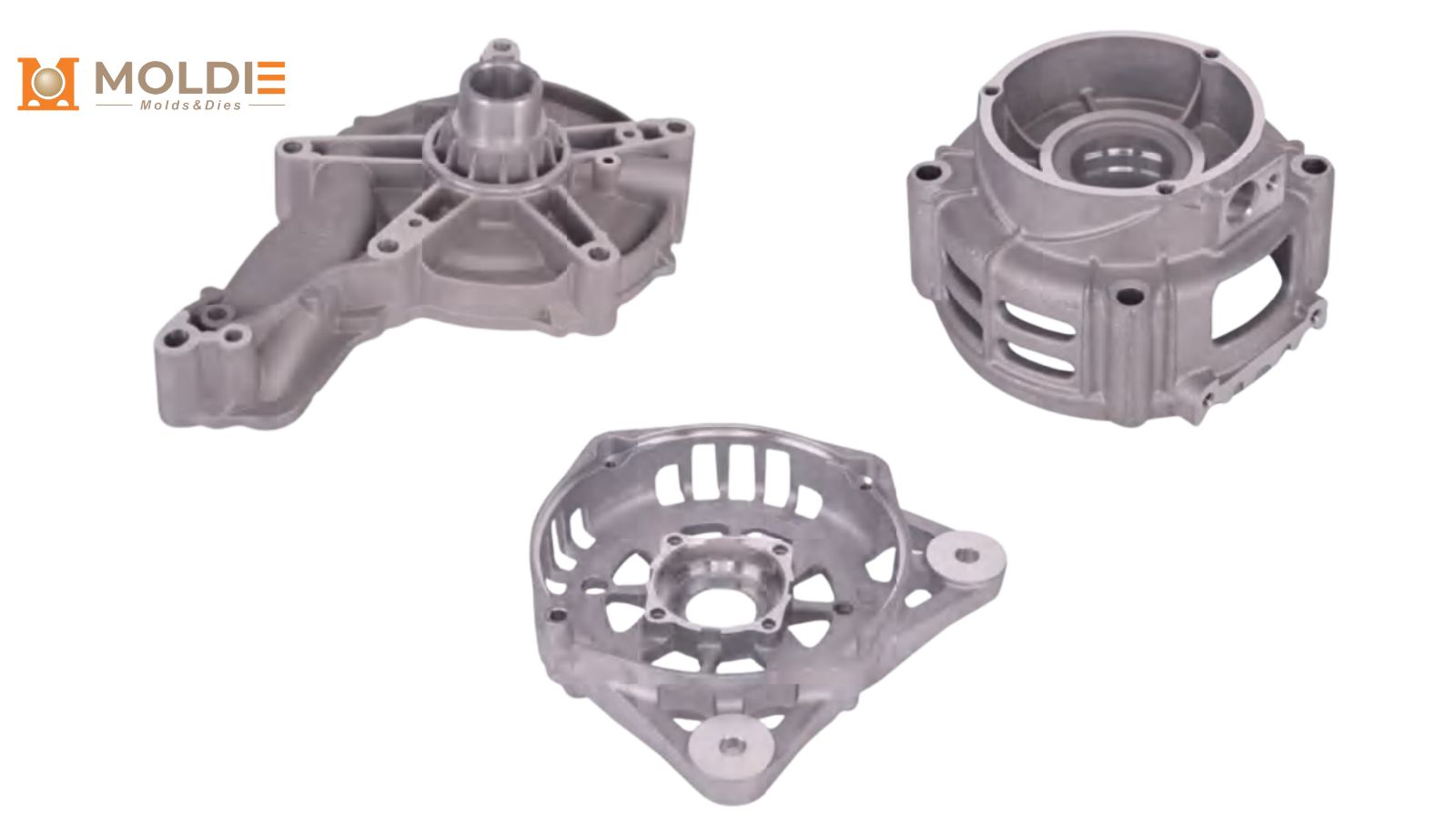
Wall Thickness Should Stay as Uniform as Possible
Uniform wall thickness improves metal flow, cooling consistency, and dimensional stability. Large thickness changes create hot spots, which increase the risk of shrinkage, porosity and distortion.
For gearbox housings, consistent wall sections are usually more important than simply adding material. If extra stiffness is needed, it is often better to use structural ribs than to make walls overly thick.
Ribs and Bosses Must Be Designed Carefully
Ribs are useful for increasing stiffness without adding too much mass. Poorly proportioned ribs or heavy bosses can create localized heat concentration, which affects internal soundness and cycle time.
Bosses for fasteners, bearing seats, and mounting points should also be designed with smooth transitions and reasonable fillets. This helps improve both mechanical performance and casting quality.
Machining Must Be Planned Early
Critical features such as bearing bores, shaft holes, sealing flanges, and mounting faces typically require post-casting machining. That means the casting design must include proper machining allowance and a stable datum strategy from the beginning.
If datums are poorly defined, the supplier may produce parts where individual dimensions appear acceptable, but the critical relationships between features are not. This is a common cause of first-article issues in gearbox housing programs.
Why Mold Flow Analysis Matters
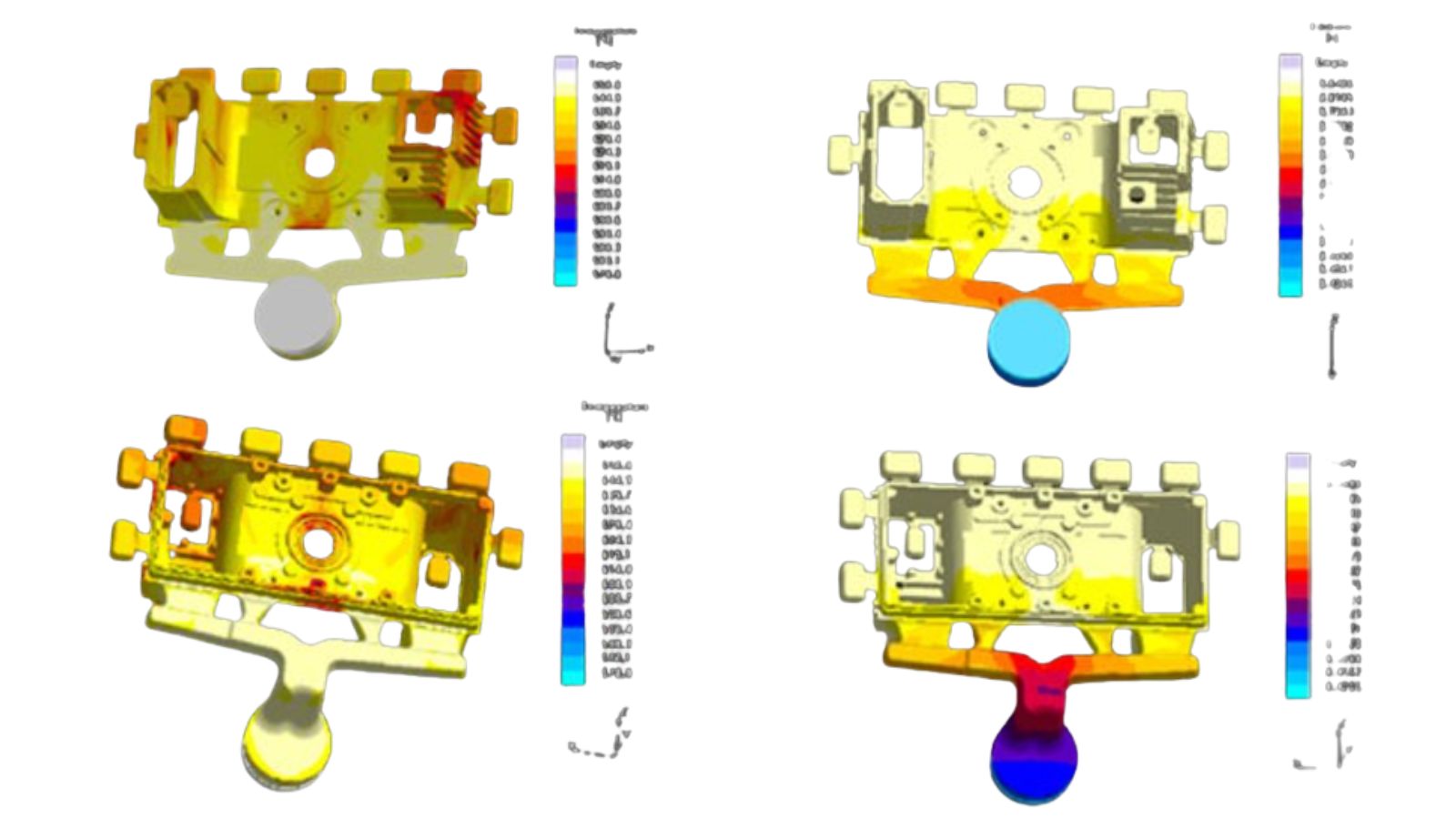
Mold flow simulation is one of the most useful tools for reducing risk before tooling is built. It helps predict filling behavior, air entrapment, temperature distribution, and areas where shrinkage defects may occur.
For buyers, the practical value is simple: it is far less expensive to correct a problem in simulation than to modify hardened tooling later. A supplier that reviews mold flow results in advance is usually better prepared to prevent porosity, unstable filling, and avoidable design-related defects.
This is especially important for gearbox housings because these parts often combine thin walls, thick mounting areas, sealing surfaces, and machined bores in one casting.
Quality Control Checks for Gearbox Housings
Buyers should confirm that the supplier can verify internal integrity, dimensional accuracy, and sealing performance with the right inspection methods.
X-Ray Inspection for Internal Soundness
Internal porosity is one of the biggest risks in gearbox housings, especially beneath sealing faces, bosses, and thicker structural areas. X-ray inspection helps detect hidden voids and internal defects that cannot be found through surface checks alone.
For programs with strict sealing or structural requirements, this capability is highly important. Vacuum-assisted die casting can also help reduce gas entrapment before defects reach later stages of production.
CMM and 3D Scanning for Dimensional Accuracy
Critical dimensions such as bore diameters, centerline relationships, flange flatness, and mounting geometry should be verified with CMM inspection. This provides precise measurement of the features that affect assembly and performance.
3D scanning adds a broader view by comparing the full casting shape to the CAD model. It is useful for detecting warpage, surface deviation, and overall form variation.
Leak Testing for Sealing Reliability
If the housing must retain lubricant, leak testing should be part of the quality plan. This confirms whether the casting and machined surfaces are capable of maintaining sealing performance under pressure.
Leak testing is especially important when the housing includes internal channels, sealing faces, or areas where hidden porosity could cause field failure.
Functional Validation Where Needed
For some gearbox housing programs, dimensional reports are not enough. Functional validation may also be required to confirm correct fit, alignment, and sealing behavior in assembly conditions. This is particularly relevant for OEM projects or parts with tight tolerance relationships.
Secondary Operations Also Affect Supplier Choice
Most gearbox housings require secondary processing between the casting operation and final assembly. A supplier that can manage multiple downstream processes more efficiently usually offers better lead times, clearer traceability, and lower coordination risk.
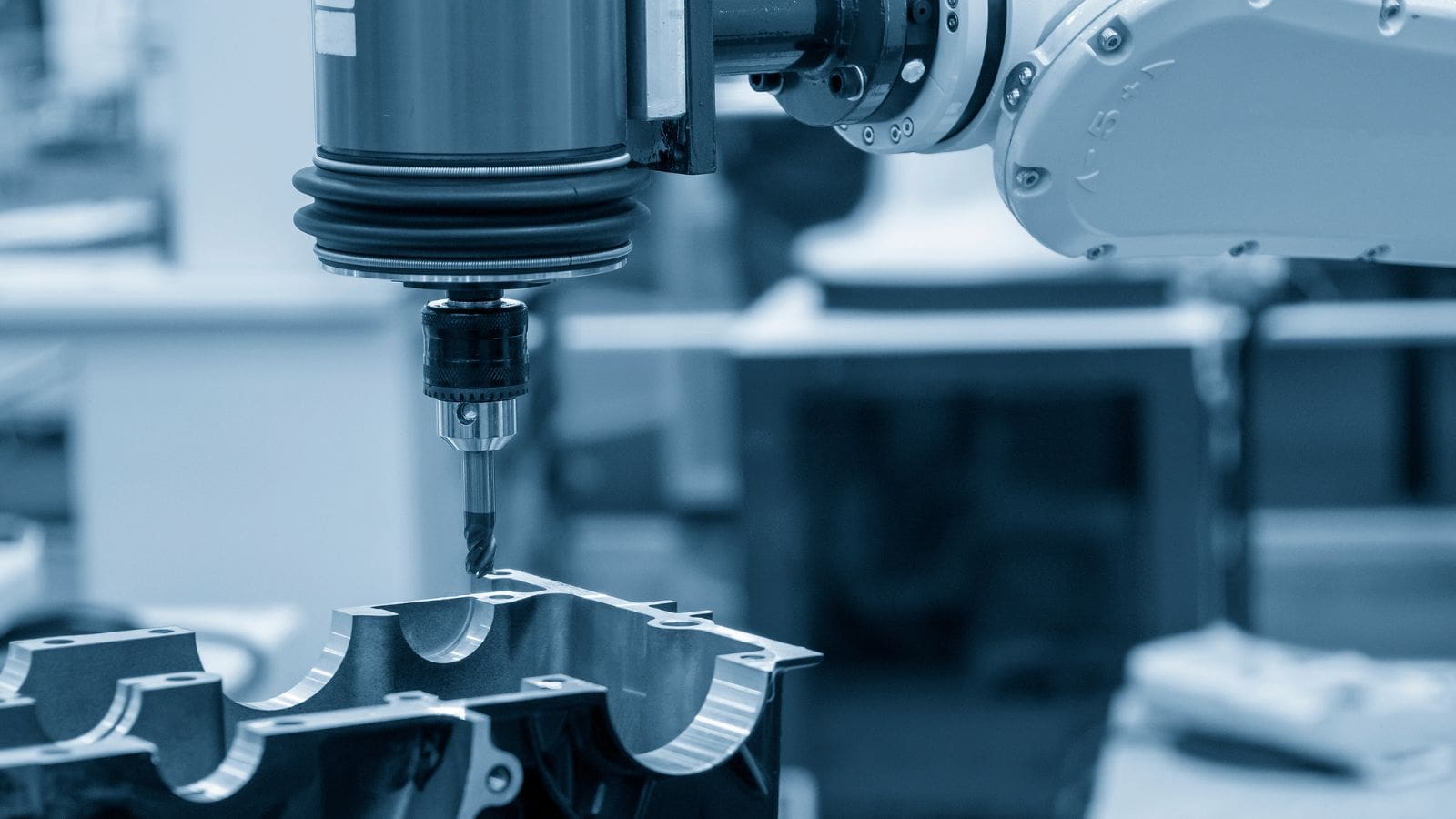
CNC Machining and Surface Treatment
Critical bores, sealing faces, mounting surfaces, and threaded ports often need CNC machining after casting. Even a good casting can become a non-conforming part if machining setup, datum control, or stock removal are not handled properly.
Surface treatment may also be required to improve corrosion resistance, appearance, or long-term durability. Common options include anodizing for aluminum, powder coating for harsh environments, and painting for general protection and appearance.
For buyers, the main advantage of in-house secondary operations is accountability. When casting, machining, inspection, and finishing are managed within one system, quality issues can often be identified and resolved faster.
How Buyers Should Evaluate a Die Casting Supplier
When comparing suppliers for gearbox housing projects, buyers should focus less on general marketing claims and more on practical manufacturing evidence.
Engineering Support
A capable supplier should be able to review 2D drawings, 3D models, or sample parts and give feedback on manufacturability before tooling begins. Early engineering input helps reduce risk in wall design, gating strategy, machining setup, and inspection planning.
Mold Flow and Tooling Capability
Ask whether the supplier performs mold flow analysis before tool fabrication. This is a strong indicator of process discipline and helps reduce costly changes later.
Inspection Infrastructure
For gearbox housings, in-house inspection capability is a major advantage. Buyers should confirm whether the supplier has:
- CMM
- 3D scanning
- X-ray inspection
- Leak testing capability, if required
In-House Secondary Operations
Machining, surface treatment, and assembly support can strongly influence delivery performance and quality consistency. If these processes are outsourced across multiple vendors, traceability and response time often suffer.
Certifications and Program Experience
Relevant certifications such as ISO 9001:2015 and, where needed, IATF 16949, can help demonstrate quality system discipline. Buyers should also look for suppliers with real experience in OEM or industrial housing programs that involve tight tolerances, engineering changes, and repeat production demands.
Choose Moldiecasting for Your Practical Sourcing Approach
For procurement teams, an excellent supplier should be capable of reviewing the design, identifying casting risks, recommending practical adjustments, and defining a realistic inspection plan for fewer problems later in the program.
Moldiecasting, as an ISO and IATF certified manufacturer for parts and molds, accepts 2D drawings, 3D files, and sample parts for quotation and mold design review. For buyers who want early engineering feedback before moving into tooling, contacting our team can be a practical first step.
FAQ
Why is aluminum die casting commonly used for gearbox housings?
Aluminum die casting is widely used for gearbox housings because of its mechanical properties: low weight, good thermal conductivity, and strong castability.
In a gearbox, these advantages help reduce overall mass, improve heat dissipation around gears and bearings, and support efficient production of complex aluminum gearbox housings.
Why is high-pressure die casting preferred for transmission housing production?
It is because gearbox parts require high dimensional accuracy, stable wall thickness, and repeatable casting quality. Compared with sand casting or gravity casting, it is better suited for high-volume gearbox housing manufacturing where bore position, sealing integrity, and machining consistency must be tightly controlled.
What design factors matter most in a die cast gearbox housing?
The most important design factors include wall thickness, rib layout, boss design, mold design, and the gating system. In gearbox housings, these factors directly affect porosity risk, dimensional stability, and whether critical features such as bearing bores, oil channels, and sealing faces can perform correctly after machining.
Is CNC machining still required for gearbox housings after die casting?
Yes. Even when the housing is produced by near-net-shape aluminum die casting, important gearbox features still require CNC machining. This usually includes bearing bores, shaft holes, mounting faces, threaded ports, and sealing surfaces, where high dimensional accuracy is necessary for assembly and long-term gearbox performance.