

Valves are used across industrial, commercial, and residential systems, but different valve parts require different manufacturing routes. For high-volume non-ferrous components, high-pressure die casting is often one of the most cost-effective options thanks to short cycle time, repeatable dimensions, and good surface finish.
For engineers and sourcing managers, there are a few key questions to consider:
- When should die casting be used in valve manufacturing (and when should it not)?
- Which non-ferrous materials are most common for die-cast valve parts?
- What inspections and tests are typically used to control quality?
Read on, and we will share with you our die casting expertise for a clearer overview of valve die casting.
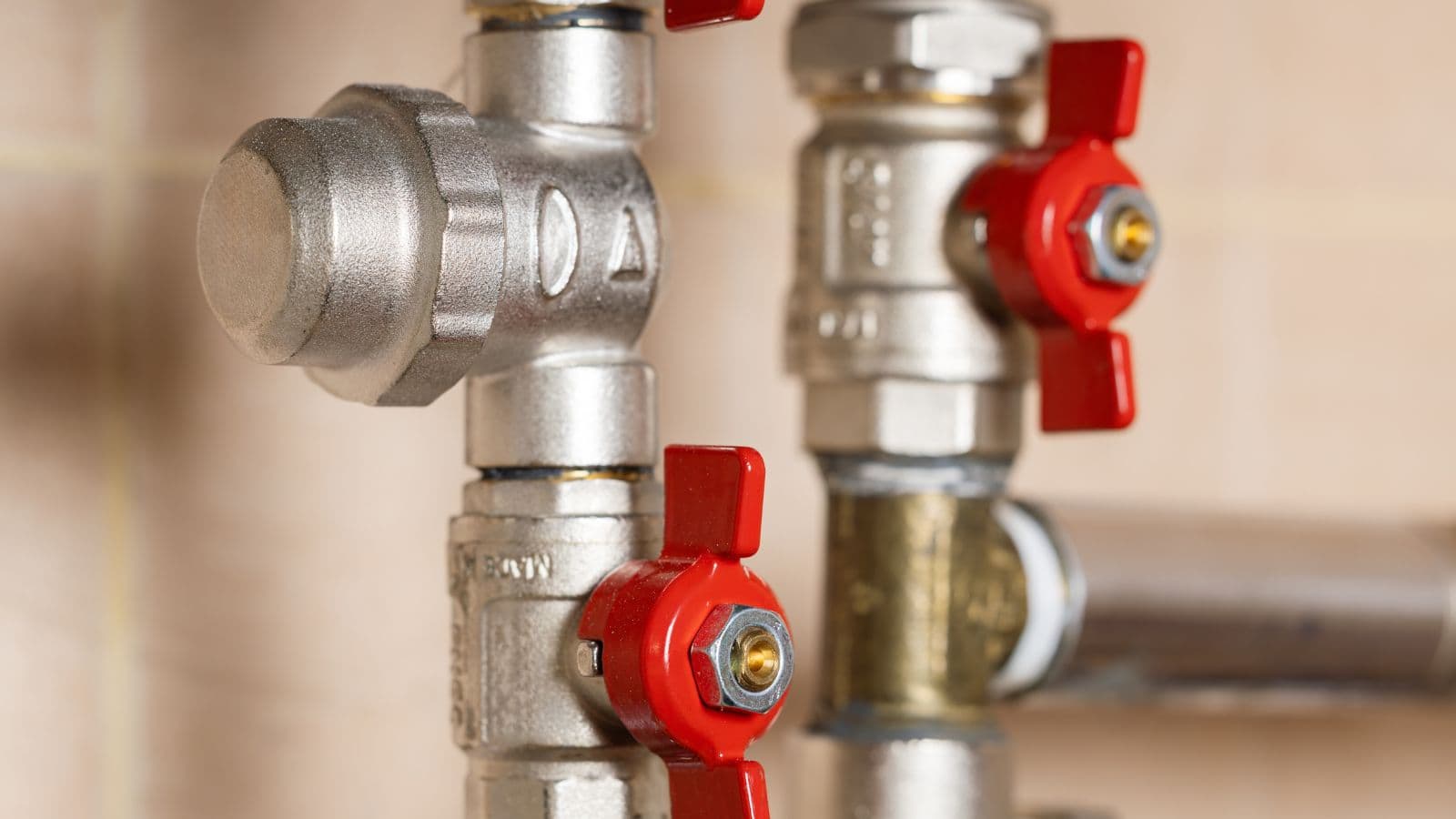
Valve Casting Methods and When to Use Each
No single casting method works for every valve component. The right choice depends on the alloy, part geometry, dimensional tolerance, surface finish requirements, and production volume. Below is a breakdown of the most common methods and where each one fits best.
Die Casting: Best for High-Volume Valve Components
Die casting injects molten metal into a reusable steel die under high pressure, delivering fast cycle times, excellent repeatability, and good surface finish. It is typically limited to non-ferrous alloys such as aluminum, zinc, and magnesium, so it is most suitable for valve-related components.
For OEM/ODM programs, die casting often delivers strong cost-per-part economics at scale. In most designs, critical functional interfaces are achieved through a combination of die-casting design control and secondary CNC machining, rather than relying on the as-cast condition alone.
However, die casting is usually not recommended for:
- Main valve bodies that require thick walls and pressure-containing integrity in ferrous alloys (carbon steel, stainless steel, iron).
- Parts with geometry that forces extreme thick-to-thin transitions, which increases the risk of porosity and distortion.
- Applications requiring full-density material throughout without allowing any porosity acceptance criteria—unless the design and validation plan explicitly allow it and the supplier can verify integrity through testing.
Other Common Valve Casting Methods
If your project involves steel/stainless/iron valve bodies or large, thick-wall pressure parts, these routes are more typical:
- Sand Casting: Best for large and heavy valve bodies and low-to-medium volumes. Flexible on alloy choice and size, but it usually needs more machining due to rougher surface and wider tolerances.
- Investment Casting (Lost-Wax): Best for small-to-medium, complex parts with tighter tolerances and smoother surfaces. Higher unit cost, often justified when precision reduces machining.
- Shell Molding: A middle ground between sand and investment casting, offering better surface and tolerances than sand casting for medium volumes.
- Gravity Die Casting (Permanent Mold): Used mainly for non-ferrous alloys in moderate volumes, often producing denser parts than sand casting, but typically less productive than high-pressure die casting.
- Centrifugal Casting: Best for cylindrical parts like liners and bushings where density and integrity are critical.
Materials for Die-Cast Valve Components
For high-pressure die casting, material options are chosen based on mechanical properties such as weight, corrosion resistance, dimensional accuracy.
Aluminum alloys (e.g., A380, A360) are commonly selected when lightweight design and good strength-to-weight ratio are priorities, and when tight tolerances are needed in high-volume production.
Zinc and magnesium alloys can also be considered for specific requirements, such as precision, weight reduction, or production efficiency, depending on part geometry and service conditions.
It is important to note that carbon steel, alloy steel, stainless steel, and iron valve bodies are typically produced by sand casting or investment casting and are not part of conventional high-pressure die casting due to melting temperature and die thermal-load constraints.
Selecting the right die-cast alloy should be based on the working environment (fluid exposure and corrosion risk), operating temperature range, mechanical load, required surface finish, and any secondary processes such as CNC machining and surface treatment.
Valve Types, Applications, and Design Considerations
Different valve types drive different geometries, interfaces, and assembly architectures. Non-ferrous die casting can be a strong option for selected valve components where high repeatability, good surface finish, and volume economics matter.
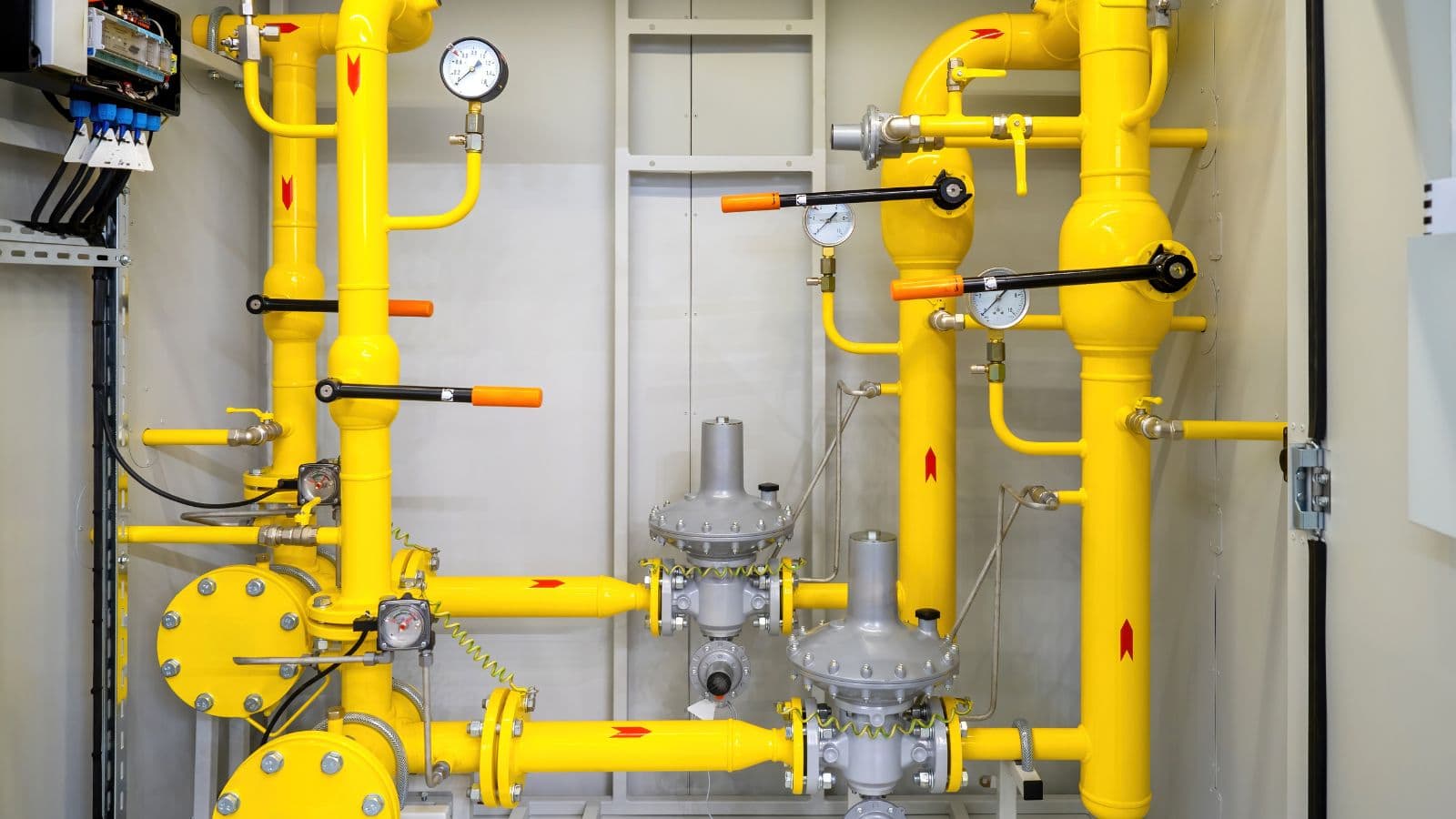
Gate, Globe, Check, and Plug Valves: What Die Casting Can Support
Gate, globe, check, and plug valves often include non-pressure structural parts and assembly components that can be designed for non-ferrous die casting—such as covers, external exterior shells, brackets, linkages, and mounting features—especially when the program requires high volumes and consistent dimensional control.
From a design perspective, the key considerations for die-cast components are wall-thickness uniformity, draft and fillet strategy, machining allowances for functional interfaces (threads, bores, mating faces), and defining which areas must be held by secondary CNC machining rather than the casting process alone.
Butterfly and Control Valve Assemblies: Volume-Friendly Components
Butterfly valve assemblies are relatively compact and often include parts where lightweighting and repeatability are valuable. For smaller non-ferrous housings, covers, and actuator-related components produced at scale, die casting can provide strong consistency and cost efficiency when the design is optimized for the process.
Control valves typically demand tight tolerances and stable performance at critical interfaces. In many valve designs, high-precision trim parts may still be produced via machining or other precision routes, while supporting structural components (housings, covers, brackets, enclosures) can be evaluated for die casting where appropriate.
Application Requirements: How Environment Drives Material and Finishing Choices
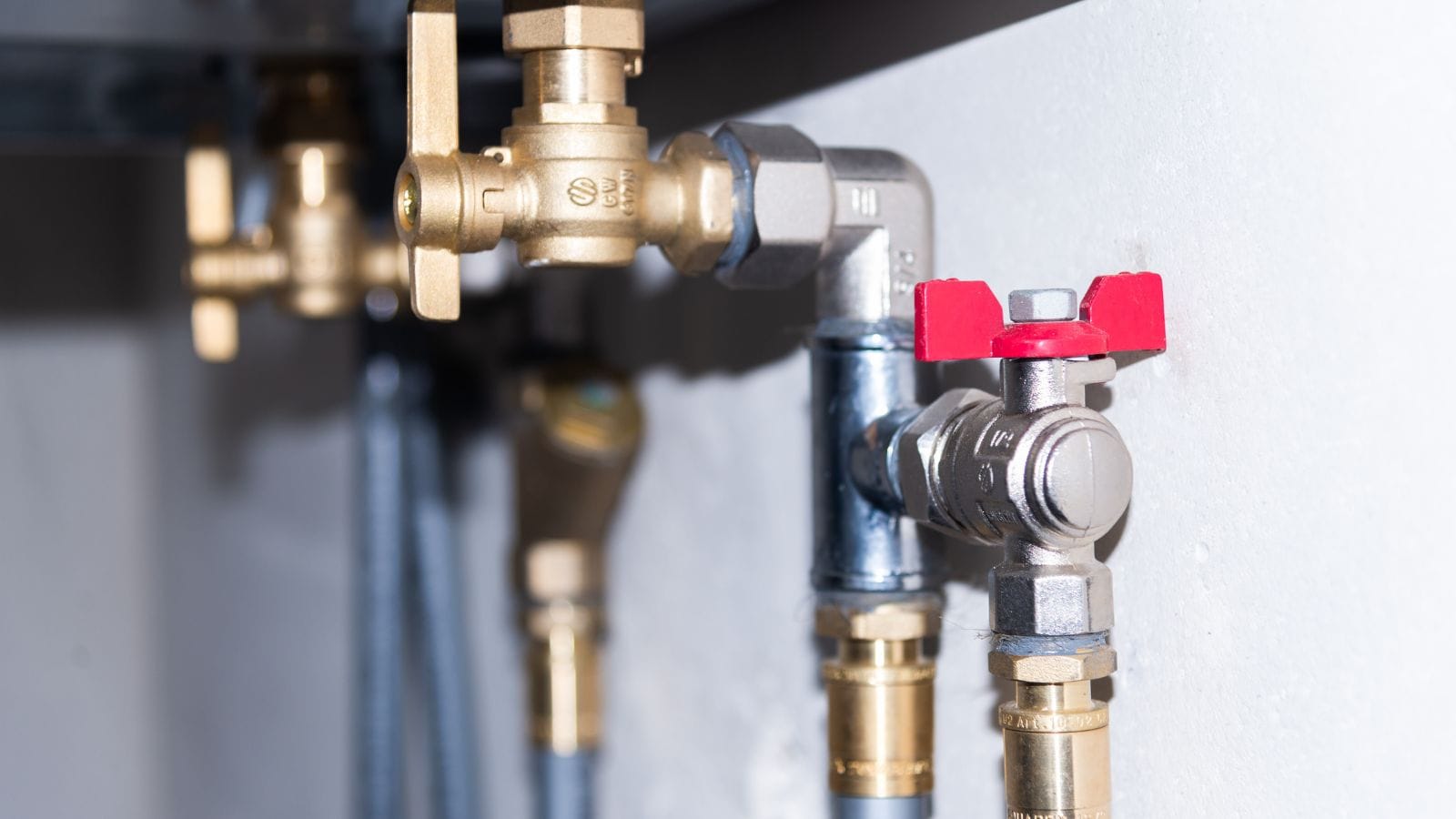
Valve applications span oil and gas, water systems, chemical processing, power generation, and general industry—each with its own reliability expectations and compliance requirements. For non-ferrous die-cast valve components, the most common decision drivers are corrosion exposure, temperature range, mechanical load, and required surface durability/appearance.
In practice, buyers should define the operating environment and verification needs early, then align alloy selection (aluminum/zinc/magnesium) and surface treatments (e.g., coating, anodizing, plating) to the target service conditions. Final requirements should follow the customer’s drawing, specifications, and validation plan.
Die Casting Process for Valve Components (Aluminum & Zinc)
For non-ferrous valve components, high-pressure die casting is mainly used when you need high repeatability, good surface finish, and cost efficiency at volume. In most cases, the casting creates the near-net shape, while critical functional features (threads, bores, mating/sealing faces) are completed by secondary CNC machining to meet tolerance and assembly requirements.
A typical process includes:
- DFM review & feasibility: confirm parting line, draft, wall thickness, gating/venting, and which features will be CNC-machined (threads, bores, sealing/mating faces).
- Tooling design & build: steel die manufacturing, sampling, and process window definition.
- Melting & alloy control: melt preparation and alloy verification per specification.
- High-pressure injection & solidification: controlled injection parameters, cooling, and ejection.
- Trimming & deburring: remove runners, overflows, and flash.
- Secondary CNC machining (as required): achieve drawing tolerances for critical interfaces and datums.
- Surface finishing (as required): coating, anodizing (aluminum), plating/coating (zinc), plus any masking requirements for sealing areas.
- Inspection, packing & traceability: dimensional/visual inspection, documentation, and packaging per shipment requirements.
Quality Control, Testing, and Supplier Selection
For aluminum and zinc die-cast valve components, quality control typically focuses on alloy verification, dimensional consistency after machining, and defect prevention. Common checks include spectrometer-based material verification, first-article inspection (FAI), and ongoing dimensional control using CMM, gauges, and SPC for critical features (sealing/mating faces, threads, bores, and datum surfaces).
From a defect standpoint, typical die casting risks include porosity, cold shuts, misruns, flash, shrinkage, and surface blisters (often discovered during finishing). A capable supplier should be able to explain which defects are most likely for your geometry and how they are controlled through mold design (gating/venting), process window control, and targeted inspection.
Testing scope should follow the customer’s drawing and validation plan. When internal integrity is critical—or when required by specification—X-ray inspection can be applied to designated high-risk areas. For supplier selection, prioritize partners who can provide stable die casting plus in-house CNC machining, clear inspection documentation, lot traceability, and a quality system such as ISO 9001 (and IATF 16949 where applicable).
How Moldiecasting Adds Value to Your Valve Component Supply Chain
Moldiecasting specializes exclusively in high-volume non-ferrous die casting and precision mold manufacturing. Our expertise makes us an ideal partner for OEMs and ODMs seeking high-quality aluminum, zinc, or magnesium valve components.
We ensure consistent quality at scale through:
- Advanced Engineering Capabilities: We utilize precise CAD/CAM/CAE design and comprehensive mold flow analysis to optimize designs and prevent defects.
- In-House Quality Control: Equipped with CMM and X-ray testing, we can perform CMM inspection and X-ray inspection when required by the drawing or validation plan without relying on third-party labs.
- End-to-End Integrated Support: From rapid prototyping and mold creation to casting, CNC machining, finishing, and assembly, we offer a complete solution under one roof. (Purchasing finished toolings is also an option)
- Certified Manufacturing Standards: Our operations are backed by ISO 9001:2015 and IATF 16949 certifications, guaranteeing rigorous quality and environmental management.
If you share your drawing, annual volume, alloy preference, and inspection requirements, we can review manufacturability and propose a stable production approach for your non-ferrous valve components!
FAQ
Can die casting be used for pressure-containing valve bodies?
In most cases, pressure-containing valve bodies are produced by sand casting, investment casting, forging, or machining—especially in ferrous alloys. Die casting is more commonly used for non-pressure structural components or non-ferrous housings/covers where the design and validation plan allow it.
Do die-cast parts always need CNC machining?
Many valve-related components still require CNC machining on critical interfaces such as threads, sealing/mating faces, and precision bores. Die casting provides the near-net shape and repeatability, while machining ensures functional tolerance and assembly performance.
How do you control porosity in die casting?
Porosity control usually combines DFM optimization, proper gating/venting, stable injection parameters, and when required, X-ray inspection on defined high-risk zones. Acceptance criteria should follow the customer’s drawing and validation plan.