


Die casting is a pillar of modern manufacturing for its reliable output and high-quality products. If you wish to employ such a metal casting process for your project, then a clear understanding of the process is essential for choosing the right manufacturer. This is precisely why this guide was created to offer you:
- A detailed walkthrough of the die casting process.
- What to scrutinize about a manufacturer’s workflow.
Fundamentals of the Die Casting Process
Die casting is a manufacturing capability defined by the use of high pressure to shape molten metal within reusable steel tooling. This allows for the production of parts with intricate geometries, complex features, and thin walls that would be difficult to achieve through other methods.
The process is specifically engineered for non-ferrous metals, such as aluminum, zinc, magnesium, and copper-based alloys, because of their lower melting points.
From a production standpoint, the core value of die casting lies in its repeatability and suitability for high-volume applications. Because the steel dies are rigid and durable, they maintain precise dimensions over thousands of cycles. This stability ensures that large batches of parts are produced with consistent accuracy and smooth surface finishes, making it a preferred choice for mass manufacturing where uniformity is critical.
Step-by-Step Die Casting Manufacturing Process
The die casting process follows a clear sequence that controls metal flow, pressure, and cooling. Each step affects part quality, cycle time, tooling cost, and lead times.
Die Preparation and Clamping
The cycle starts with die preparation. Operators clean the die casting mold to remove metal residue and debris from the previous shot.
They then spray a thin layer of lubricant or release agent on the cavity surface. This coating helps control temperature and allows the part to release from the die without damage.
The die casting machine closes the two die halves with clamping force measured in tonnage to keep the die sealed during injection.
Accurate mold design also plays a key role at this stage. The die includes:
- A well-defined gating system
- Balanced runners
- Internal cooling channels
- Space for ejector pins
Molten Metal Injection
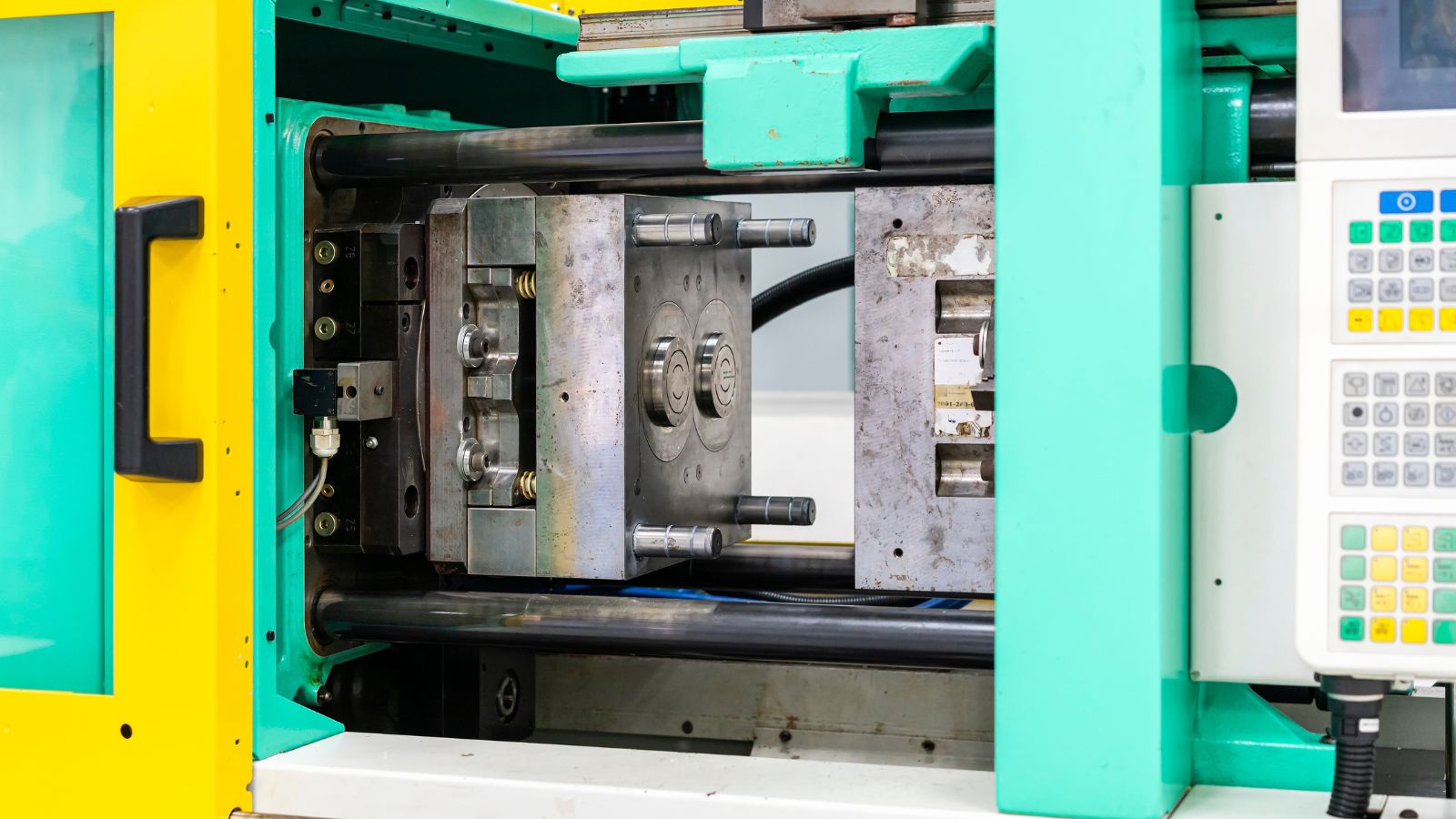
Once the die is clamped, the machine injects molten metal into the cavity. It should be noted that different die casting techniques also influence the injection procedure.
In hot chamber die casting, where the furnace is located inside the machine, a submerged plunger forces metal directly from the furnace into the die.
In cold chamber die casting systems, where the metal is melted outside the machine, the molten material is transported by a ladle and poured into a shot sleeve.
Generally speaking, the injection involves a hydraulic plunger pushing the metal through the sleeve and into the gating system. The metal flows from the sprue to the runners and then into the die cavity.
Injection occurs in two main phases:
- Slow fill to avoid air entrapment
- High-speed injection to fully pack the cavity
High pressure ensures the metal fills thin walls and complex features. The machine maintains pressure for a short hold time to reduce shrinkage.
Cooling and Solidification
After filling, the molten metal begins to cool and solidify inside the die. The cooling channels inside the mold circulate water or oil to control temperature.
Uniform cooling is critical. Uneven temperature can cause warping, internal stress, or cracks.
The die remains clamped while the metal solidifies under pressure. This pressure helps maintain dimensional accuracy and surface detail.
Cooling time depends on:
- Alloy type (aluminum, zinc, magnesium)
- Wall thickness
- Mold temperature
- Part geometry
Engineers aim to shorten cooling time without causing distortion. Faster cycles improve productivity, but excessive speed can reduce part quality or damage the die casting mold.
Ejection and Trimming
Once the part solidifies, the die opens along the parting line. The machine activates the ejector pins to push the casting out of the cavity.
The removed casting still includes excess material from the gating system. This material may include:
- Runners
- Sprue
- Overflow wells
- Flash
Operators remove this excess through trimming or mechanical cutting. Automated trim dies often speed up this step in high-volume production.
Post-Processing and Finishing
Most die-cast parts require some level of post-processing. The amount depends on tolerance, surface finish, and function.
Common finishing steps include:
- Deburring to remove sharp edges
- Polishing to improve surface appearance
- Shot blasting for uniform texture
Some parts require secondary machining to meet tight tolerances. Shops often use CNC machining to drill holes, cut threads, or machine critical surfaces.
These added steps increase tooling cost and lead times. However, they improve fit, performance, and assembly accuracy. Ideally, a well-designed die casting process should balance speed, cost, and final part quality.
Choosing the Right Manufacturer: Applying Process Knowledge
Understanding the mechanics of die casting is the most effective mthod of vetting potential manufacturing partners. Now that we have gone through the technical knowledge, it is time to leverage this knowledge to evaluate manufacturers based on four critical aspects.
Aligning Types of Die Casting with Material and Needs
As noted in the injection phase, the distinction between hot chamber and cold chamber processes is fundamental.
For Zinc and Magnesium (Hot Chamber) – If your project requires small, intricate parts made from zinc or magnesium, verify that the manufacturer specializes in hot chamber machines. These machines offer faster cycle times (up to 1000 shots per hour) because the metal is melted within the machine.
For Aluminum and Brass (Cold Chamber) – If you require the strength and heat resistance of aluminum, robust cold chamber systems are essential. Because aluminum has a high affinity for ironm and can “dissolve” or “wash” the iron into the melt, it must be melted externally to avoid impurity.
You must ensure the manufacturer utilizes the machine type best suited for your specific alloy to maximize efficiency and part integrity, and you can do so by visiting their websites or sending in quotes for inquiry.
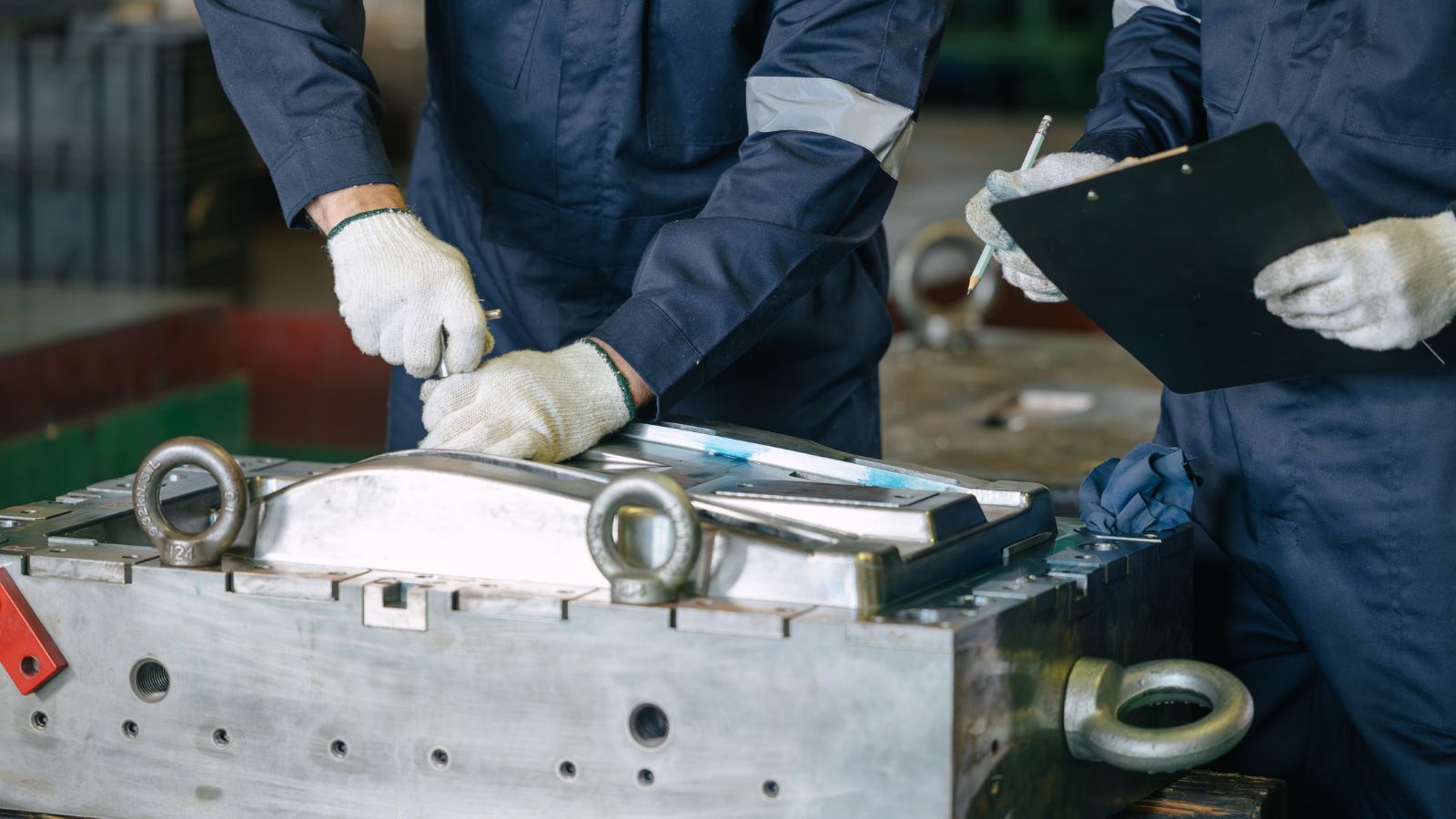
Mold Design, Production, and Process Control
We highlighted the importance of mold design in the “Die Preparation” section, as it is the very foundation of any die-casted metal parts.
Therefore, when interviewing manufacturers, you should research your potential partner’s mold design expertise beforehand:
- Dedicated engineers – Do they have an in-house engineer team for mold design? Are they capable of mold production on their own?
- Technology-assited design – Do they use software (such as Magmasoft or Moldflow) for flow simulation of the injection phase?
- Honed industrial experience – Do they have an entire proven system of mold design procedures?
Moving on to the injection process, you should note that quality control measures separate competent manufacturers from exceptional ones. A reliable partner implements real-time monitoring systems that track injection pressure, plunger velocity, and metal temperature for every shot cycle.
Integrated Post-Processing Solutions
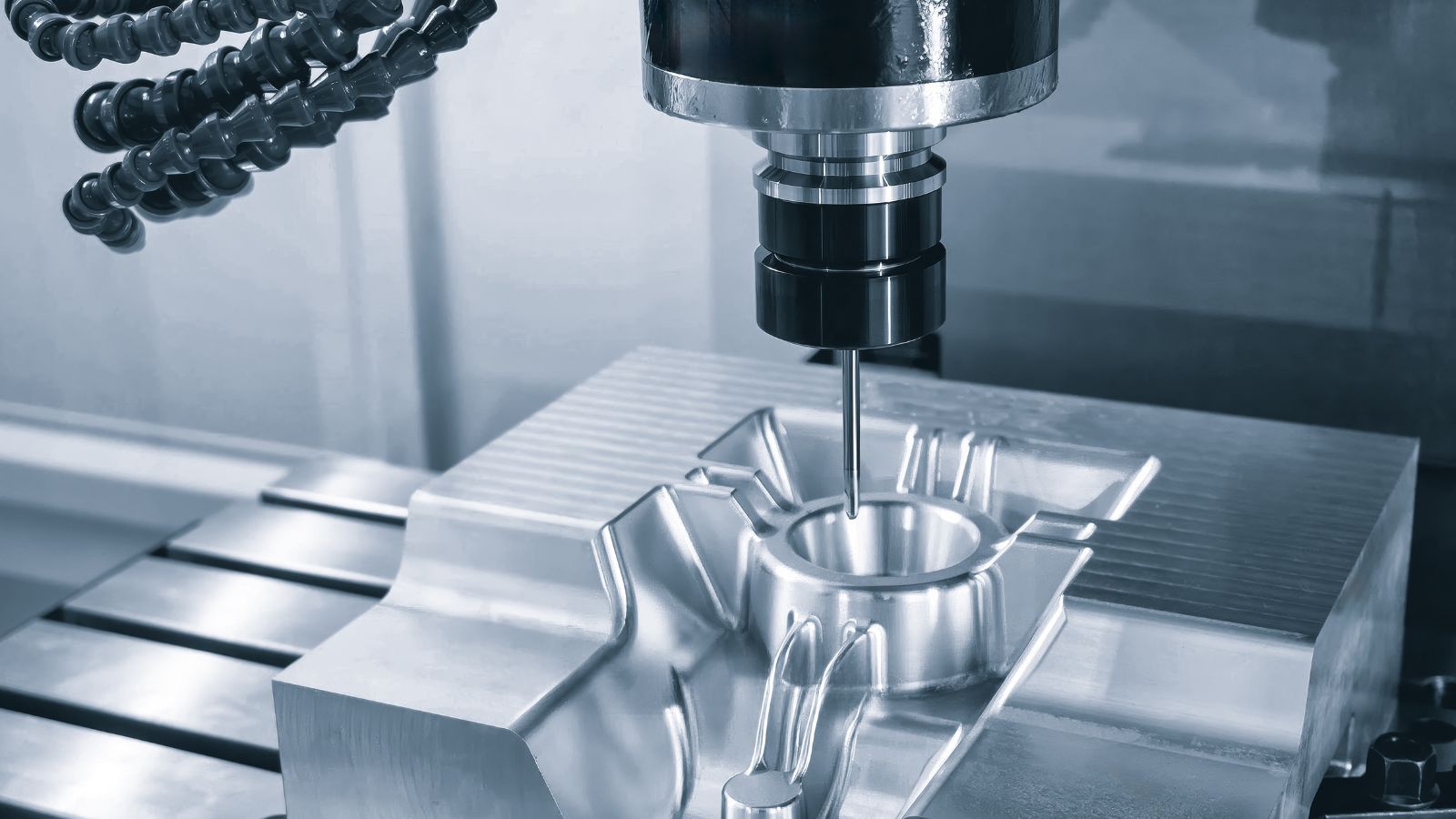
The die-casted parts are rarely finished the moment they are ejected. The presence of flash, runners, and overflows means that trimming and finishing are mandatory steps.
To reduce logistics costs and lead times, look for a manufacturer who handles the “post-processing” chain in-house:
- Trim Dies vs. Manual Removal – For high-volume orders, ensure the manufacturer builds automated trim dies rather than relying on manual breaking, which is inconsistent.
- Machining Capabilities – If your part requires tight tolerances (e.g., threaded holes or precise mating surfaces), a supplier with in-house CNC machining centers allows for a seamless transition from casting to finished product, placing the responsibility for total quality on a single vendor.
Choosing the Right Die Casting Partner Today
Die casting demands precise control over injection pressure, thermal management, and finishing operations. Your ideal manufacturer should bring engineering expertise that optimizes your design for manufacturability while reducing costs and lead times.
At Moldie, we’ve refined die casting through years of specialized experience. From mold fabrication through CNC machining, we deliver complete solutions for both hot chamber zinc components and cold chamber aluminum parts.
Ready to start your project? Contact Moldie today for a free design review and quote.