
When choosing a manufacturing process for a project, you need clear facts about cost, speed, strength, and limits, and die casting offers a fast and precise solution. However, it also brings about limitations and drawbacks with its unique process.
That is why it is pivotal for you to learn what die casting advantages boost your manufacturing partner’s performance, and how the manufacturer circumvents the drawbacks to meet the production goals.
Core Advantages of Die Casting
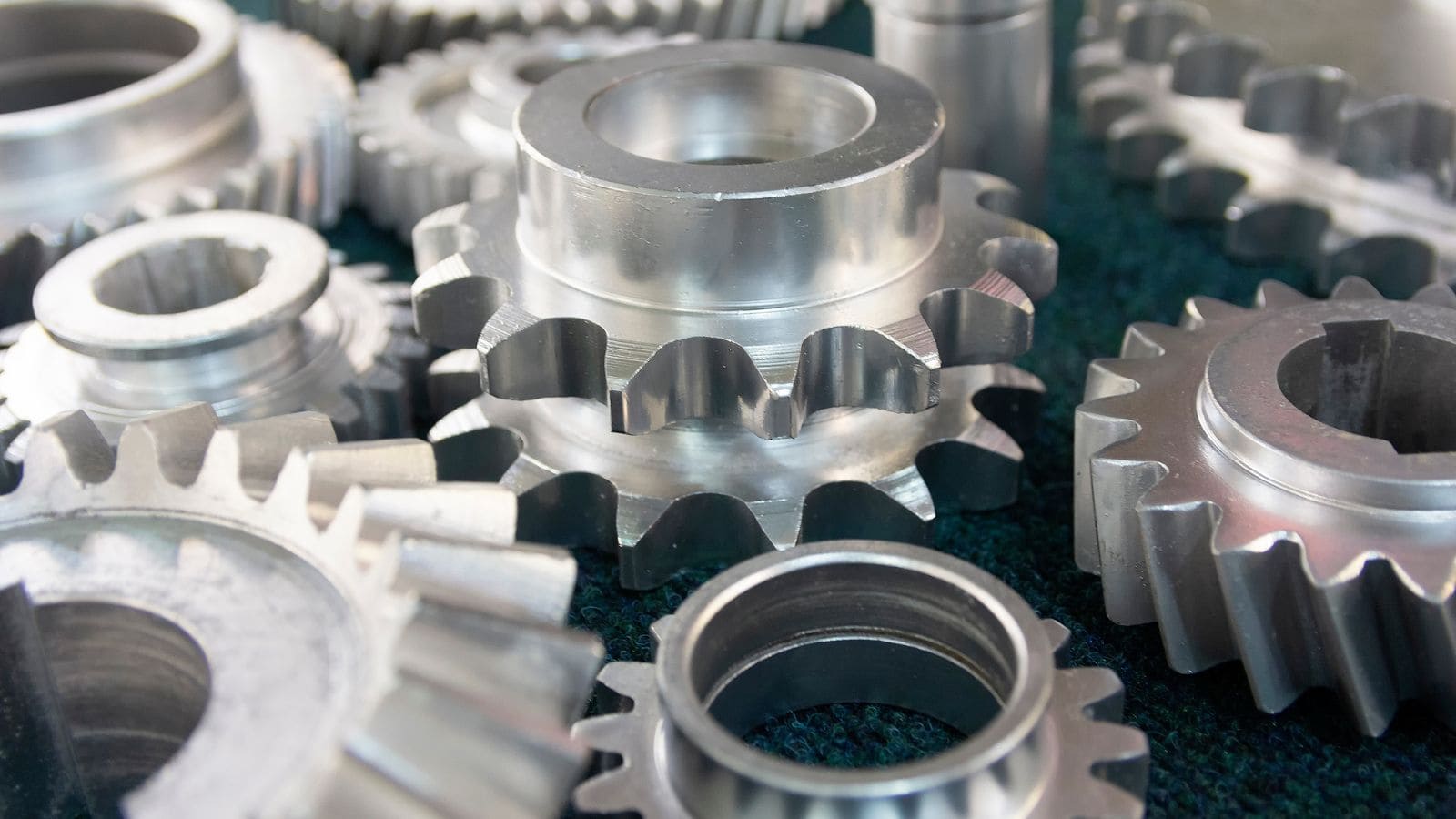
Die casting gives you tight tolerances, fast cycle times, and repeatable quality, creating complex metal parts with smooth surfaces that need little extra work.
Rapid Efficiency and Cost-Effectiveness
The primary economic advantage of die casting is its speed. The process runs on short production cycles—often measured in seconds—where molten metal is injected, cooled, and ejected quickly.
While the initial tooling cost is high, this investment pays off in large production runs. As volume increases, the cost per unit drops significantly due to reduced labor input and material waste. Automation further improves this efficiency, using automated ladling and ejection systems to support steady output with fewer delays.
Cost Factors vs. Volume:
|
Factor
|
Low Volume
|
High Volume
|
|---|---|---|
|
Tooling Impact per Part
|
High
|
Low
|
|
Unit Cost
|
Higher
|
Lower
|
|
Production Speed
|
Moderate
|
Very High
|
Precision, Geometry, and Material Efficiency
Die casting allows for parts with tight tolerances and consistent dimensions. Steel dies hold their shape under high pressure, ensuring that the thousandth part is virtually identical to the first.
This precision allows for:
- Complex Geometries: Features like ribs for strength, bosses for inserts, and detailed logos directly into the part are possible.
- Part Consolidation: Instead of welding or fastening separate components, the piece can be cast as a whole, simplifying assembly.
- Material Efficiency: The process forms thin walls and complex shapes without heavy excess stock. This reduces part weight—crucial for automotive and aerospace applications—and minimizes scrap.
Superior Finish and Reduced Secondary Machining
The steel die transfers its smooth texture to the casting, limiting the need for heavy post-processing like milling or grinding.
- Aesthetic Flexibility: Parts leave the mold ready for surface finishing such as painting, plating, or powder coating.
- Consistent Properties: High-pressure injection reduces shrinkage and creates a uniform grain structure, leading to stable strength and hardness.
- Reduced Labor: Secondary work mostly includes simple tasks like drilling or tapping, which saves time and moves parts faster into final assembly.
Primary Disadvantages of Die Casting
Die casting can produce precise metal parts at high speed, but it also brings clear limits. To counter these disadvantages, you must weigh high upfront costs, and make sense of your material choices and volume demands before committing to this process.
High Initial Investment and Volume Requirements
As mentioned above, choosing die casting means a high upfront tooling cost, as the process requires hardened steel dies that must withstand high pressure and repeated thermal cycles.
Designing and machining these dies takes time and skilled labor. Complex part shapes, tight tolerances, and multiple cavities increase the cost even more.
This investment would make more financial sense when you plan large production volumes. If you produce low quantities, the tooling cost spreads over too few parts, and the cost per unit stays high.
Material and Size Constraints
Die casting mainly supports non-ferrous metals. The process will often work with aluminum, zinc, or magnesium alloys. Ferrous metals like carbon steel or stainless steel are not common in standard die casting, because their high melting points easily cause damage to dies and reduce tool life.
This limits the design options. If your part requires the strength, wear resistance, or heat resistance of steel, you may need a different process such as investment casting or forging.


Summary of Suitability
Rather than reiterating specific technical metrics, the decision to utilize die casting should ultimately rely on the intersection of three factors: volume scalability, design maturity, and material application.
Match the process to your budget, material requirements, and expected production volume. When these factors align, die casting delivers a practical, efficient, and cost-effective manufacturing solution that few other processes can match at scale.
Ready to optimize your next manufacturing project? Whether you need rapid prototype tooling or seamless high-volume production, the experts at Moldie are here to help. Contact us today and let’s bring your vision to life!