


Brass die casting can produce detailed, durable copper-alloy components for demanding applications. It is not the default choice for every program: brass has a higher melt temperature and density than aluminum or zinc, so it places greater thermal demand on the die and process equipment. When corrosion resistance, wear performance, dimensional stability or a premium metal finish are central to the part function, that trade-off can be worthwhile.
The right question is not simply “Can this part be made in brass?” It is whether brass is the best material and process for the required loads, environment, conductivity, appearance, quantity and total program cost. This guide provides a practical framework for that decision.
What is brass die casting?
Brass is a copper-zinc alloy family. In high-pressure die casting, molten alloy is injected into a reusable steel die under pressure, allowed to solidify, then ejected for trimming, inspection and any required secondary operations. The process is suited to repeat production of detailed near-net-shape parts when the part design and tooling are engineered for the alloy.
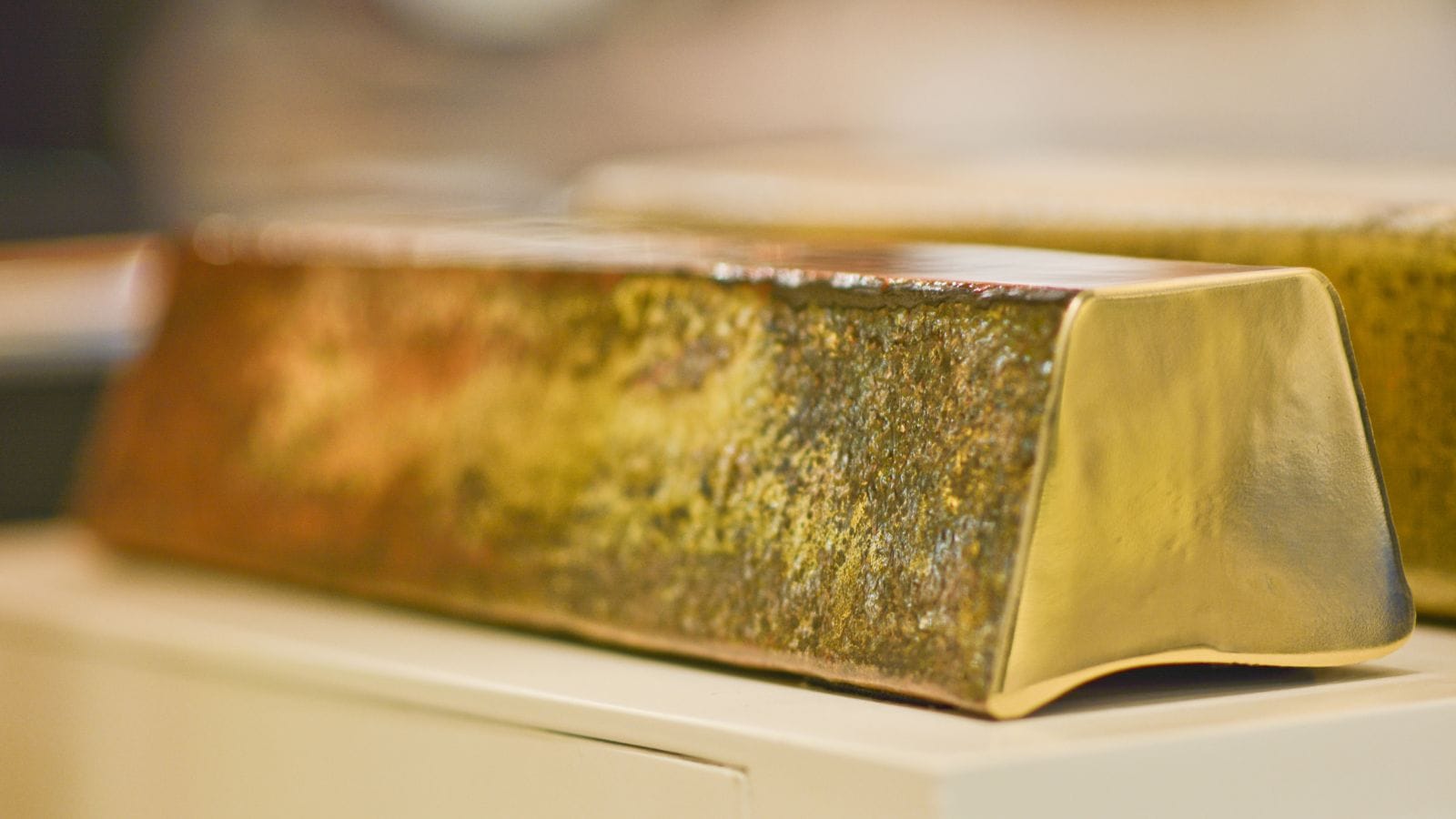
Brass die casting should be distinguished from general “brass casting.” Sand, gravity and investment casting use different mold systems, production economics and geometric capabilities. Do not assume a result or tolerance from one process applies directly to another.
Why brass is a specialist die-casting material
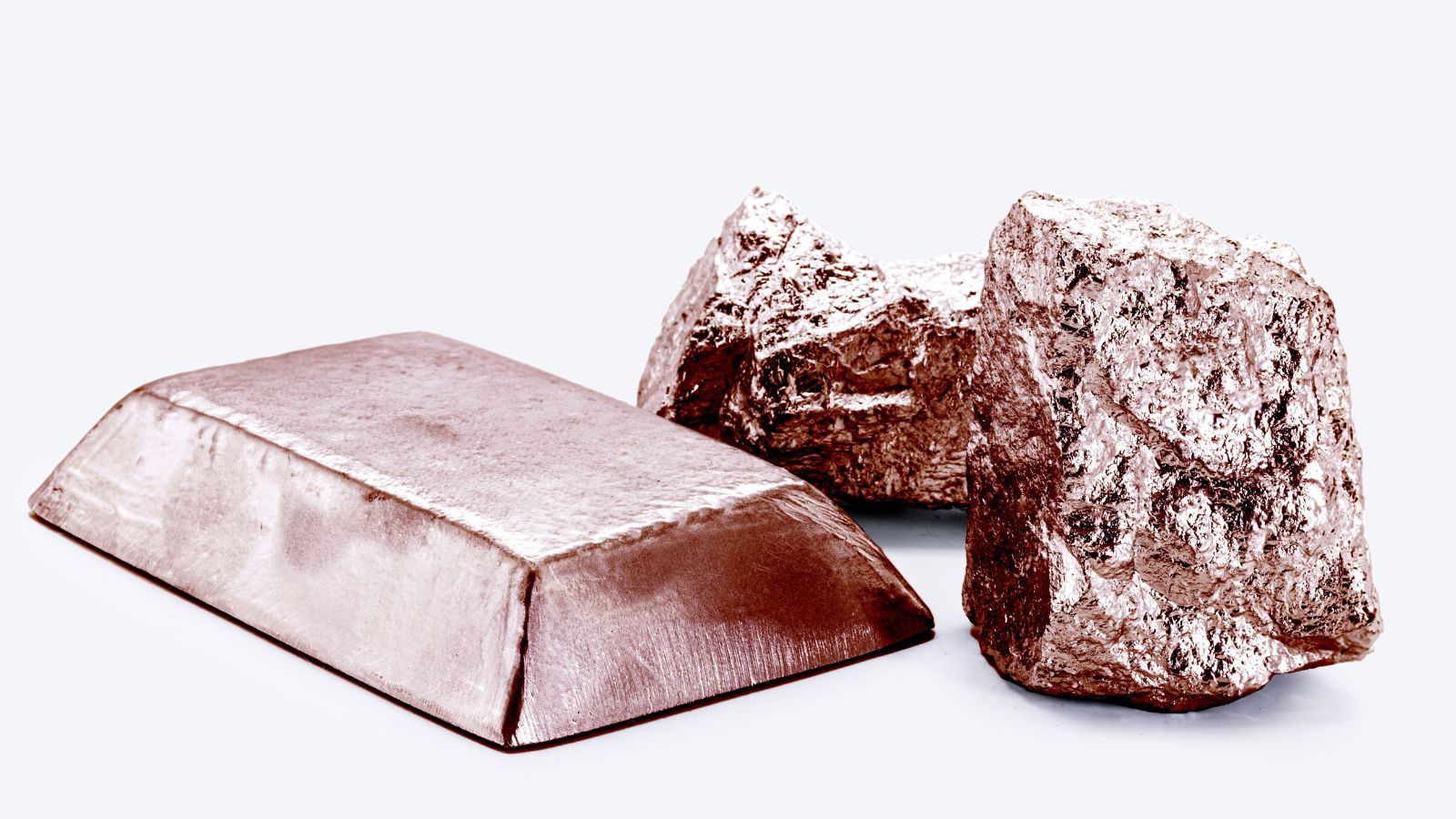
Copper-base alloys can offer strong mechanical properties, good corrosion resistance and useful wear behavior. But brass also brings a hotter, more demanding process window than common zinc alloys and a heavier finished part than an equivalent aluminum component. Its higher casting temperature increases thermal cycling of the die, which can affect die life, maintenance planning and tooling cost.
For that reason, brass is commonly evaluated for parts where its property package has a clear functional payoff: fluid-control components, durable hardware, wear interfaces, electrical components that do not require pure-copper conductivity, and corrosion-exposed industrial parts. It is a purposeful choice, not a universal upgrade.
Brass compared with common die-casting alternatives
| Decision factor | Brass or copper-base alloy | Zinc alloy | Aluminum alloy | Magnesium alloy |
|---|---|---|---|---|
| Best reasons to consider it | Wear, corrosion resistance, stiffness and premium metal appearance | Fine detail, thin walls, rapid cycles and long die life | Weight-conscious structural housings and thermal applications | Weight reduction where suitable |
| Key trade-off | High melt temperature, higher density and demanding die environment | May not meet brass-level wear or corrosion needs in every environment | Different alloy behavior and generally lower density than brass | Different corrosion, stiffness and processing considerations |
| Tooling discussion | Thermal fatigue, alloy selection, gating and cooling are central | High repeatability can support cost-effective volume | DFM, gating, cooling and post-machining drive success | Specialized process and design review required |
| Start here when | The property benefit is required by the application | Small, detailed hardware or decorative/functional precision parts are the priority | A lighter, high-volume casting route may meet the design need | Mass reduction is the leading product requirement |
For parts where brass is being considered primarily for fine detail and repeat production, review Moldiecasting zinc die casting molds as a practical alternative. Zinc may offer a better fit when the function does not require a copper-base alloy.
How the brass die-casting process works
A typical program begins with manufacturability review. Engineers define the parting line, draft, wall sections, radii, gates, runners, vents, overflows and ejection approach before tool steel is cut. The die is then machined, assembled and tried out. During production, the melt is transferred to a cold-chamber machine for each shot, injected into the closed die and solidified before ejection.
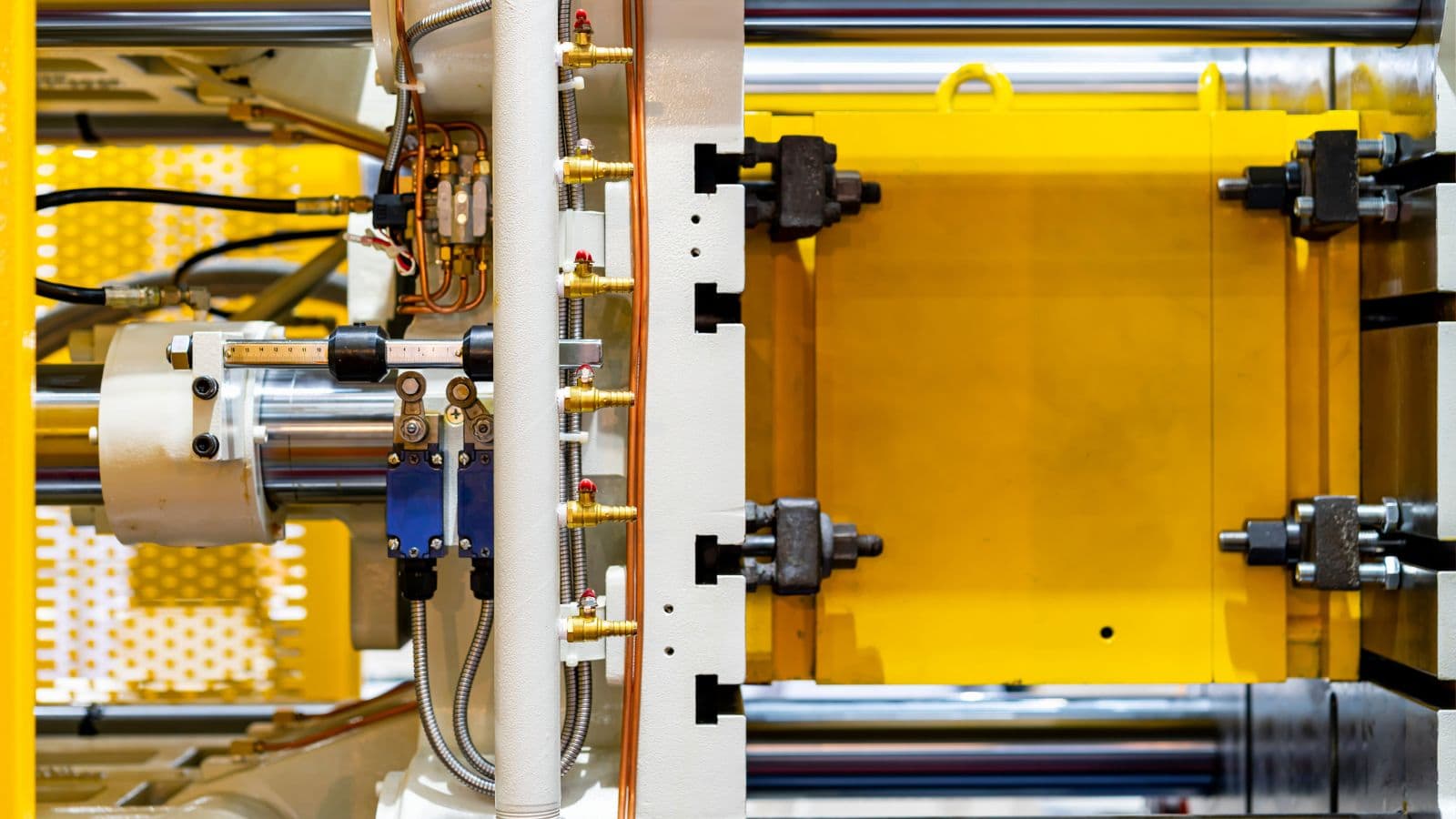
The higher temperature of copper-base alloys makes die design, thermal management and maintenance especially important. A successful program controls metal quality, melt temperature, fill behavior, venting, cooling and trimming; it does not rely on pressure alone to solve a difficult geometry.
Early engineering review is the lowest-cost place to solve those issues. Explore Moldiecasting die casting mold design and engineering to see how DFM supports gating, cooling and manufacturability before tooling release.
Design guidelines for more reliable brass castings
- Keep wall thickness as uniform as the function allows. Abrupt heavy-to-thin transitions create uneven cooling and can increase shrinkage or distortion risk.
- Use draft on surfaces parallel to die movement. Draft supports reliable ejection and helps protect cosmetic surfaces and tool steel.
- Add radii rather than sharp internal corners. Fillets improve metal flow and reduce stress concentration in both the part and the die.
- Identify critical surfaces early. Bores, threads, sealing faces and precision datums may be better created or finished by secondary machining.
- Specify the actual operating environment. Water chemistry, chemicals, temperature, load cycles, contact wear and finish requirements should guide alloy and validation choices.
Properties to validate before selecting brass
Brass is valued for corrosion resistance, hardness, wear behavior and a surface that can be polished, plated or otherwise finished. Its electrical and thermal conductivity may be useful, but it is not equivalent to pure copper. Selection should be based on the properties that govern the application, not on a generic alloy description.
Ask the supplier to align alloy and process with measurable requirements: tensile and yield properties, elongation, hardness, corrosion exposure, pressure tightness, wear performance, dimensional tolerance, surface-finish target, plating or coating needs, and test method. If the part carries current, state the required conductivity or electrical-resistance limit rather than simply asking for “brass.”
Where brass die casting can fit
Where copper-alloy properties match the duty cycle—corrosion, wear, finishable surfaces or stable threaded and sealing features—brass die casting can be a purposeful tooling and process choice rather than a default upgrade.
Fluid-control and plumbing components
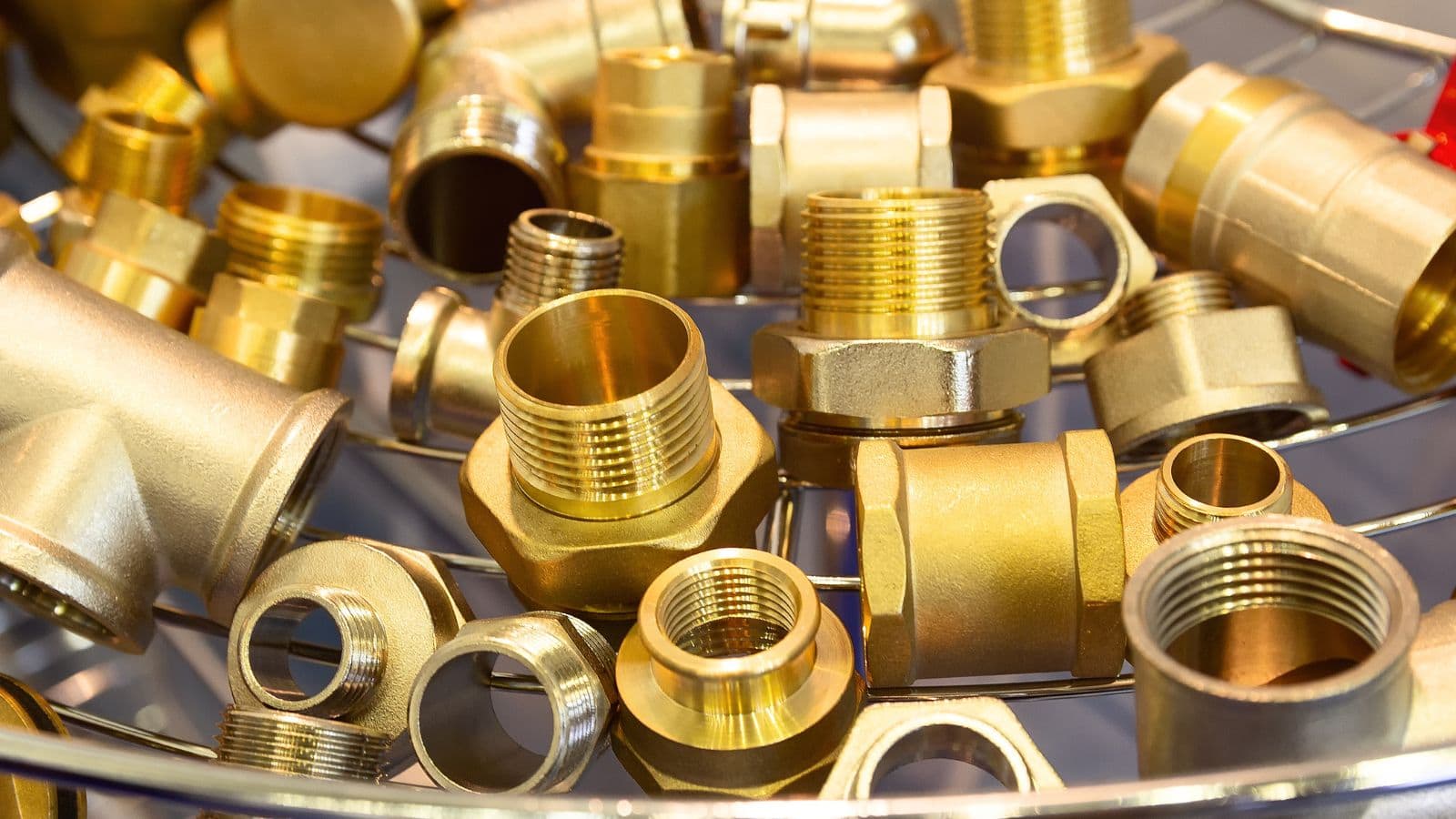
Fluid-control and plumbing components can benefit from brass where corrosion resistance, durability and machinable sealing or threaded features are needed.
Hardware and lighting
Hardware and lighting components can use brass where detail, tactile weight and a finishable surface are part of the product requirement.
Industrial mechanisms
Industrial mechanisms may evaluate brass for wear interfaces, housings and fittings that see repeated use or corrosive exposure.
Electrical connectors
Electrical connectors and terminals require special care in selection. Brass may provide an attractive balance of formability, strength and conductivity for some functions, but high-conductivity paths may require a different copper alloy or a different manufacturing route. Confirm electrical performance against the actual current, temperature rise and contact-resistance requirements.
For end-to-end finishing or assembly considerations after die casting, see Moldiecasting turnkey assembly and packaging solutions.
Cost and tooling: think in total program terms
Brass projects carry both material and tooling implications. The per-kilogram material cost, density, shot weight, cycle time, die temperature and maintenance strategy can all affect the program. Higher thermal loading may make die design and planned maintenance more consequential than in a low-temperature alloy program.
The total cost comparison should include tooling design and tryout, expected die life, quantity and number of cavities, scrap and yield, trim and machining, inspection, finishing, assembly, freight and the cost of a product failure in service. A lower initial piece-price assumption is not useful if it overlooks functional performance or downstream operations.
When an alternative may be the better answer
Choose an alternative material when it better serves the real requirement. Zinc may be attractive for intricate, small components and efficient high-volume production. Aluminum can be a strong candidate when mass, thermal performance or a larger lightweight housing matters. Magnesium may be evaluated where mass reduction dominates the design brief. The goal is to choose the process-material combination that achieves the part function with a robust, economical manufacturing plan.
For aluminum programs, explore Moldiecasting aluminum die casting molds. For parts driven by weight reduction, review magnesium die casting molds. For a broader tooling and DFM discussion across alloys, see the die casting mold design and manufacturing service.
Ready to assess your part?
A focused DFM review can determine whether brass is justified, flag tooling risks early and identify a zinc, aluminum or magnesium route when it better matches the program. Bring a 3D model and drawing, target alloy or performance requirements, annual quantity, cosmetic standard, key tolerances, secondary operations and validation needs.
Request a die casting DFM review and quote: Contact Moldiecasting with your part data and production requirements.
Frequently asked questions
Is brass suitable for high-pressure die casting?
Yes, copper-base alloys including brass can be die cast, but the higher melt temperature makes tooling, thermal management and process control particularly important. Confirm the specific alloy and part requirements with an engineering review.
Why is brass die casting more demanding than zinc die casting?
Brass is processed at much higher temperatures. This increases thermal load on the die and makes equipment, die design and maintenance planning more consequential.
Can brass die-cast parts still need machining?
Yes. Threads, precision bores, sealing faces, bearing seats and critical datums may require secondary machining even when the casting is near net shape.
Is brass always the best choice for electrical parts?
No. Brass has useful conductivity, but it does not match pure copper. Choose the alloy according to electrical-resistance, current, temperature-rise and mechanical requirements.