


Die casting has become a core manufacturing method for producing precise, lightweight, and structurally sound bicycle components at scale. As cycling brands push for tighter tolerances, faster production cycles, and lower per-part costs, die casting offers a proven path from concept to finished component.
But why does die casting stand out among all the manufacturing techniques, and what are the parts and designs available? Our blog will answer this question from multiple angles.
Why Bike Parts Die Casting Fits Bicycle Production
This chapter will offer you a general idea of why die casting is used for bike component production from two aspects: how does it boost efficiency and quality, and why is it the better option than other manufacturing services?
How Die Casting Supports High-Volume Bicycle Components
Bicycles are often regarded as consumer commodities with huge market demands. This translates to large production orders for components, which benefit from the features of die casting such as lower per-unit costs and shorter lead times.
To meet the need for die casting bike parts, manufacturers adopt the method of high-pressure die casting. This process injects molten metal into reusable steel dies at speeds that allow rapid cycle times, and a single die can produce thousands of identical parts before requiring significant maintenance.
Furthermore, each casting comes out near its final shape. That reduces the amount of CNC machining, grinding, or other secondary operations required. Parts such as pedal bodies, brake lever housings, and hub shells can move from the die to finishing with minimal material removal.
Repeatability is another advantage. Every part from the same die matches the same dimensional profile, which simplifies assembly and quality control across large batches.
When Die Casting Outperforms Machining or Fabrication
CNC machining excels for prototype runs where tooling cost needs to stay low. However, for high-volume production of complex bike parts, die casting typically wins on cost per part and speed with structures like thin walls, internal ribs, or complex contours that would otherwise require extensive multi-axis machining.
Fabrication through welding or bending works for frames and simple structural pieces, but it introduces joint variability due to human errors and higher labor costs. Meanwhile, die casting eliminates joints entirely for single-piece components, improving both strength and consistency.
Best Bike Parts for Die Casting
The bicycle components that benefit most from die casting share common traits: complex geometry, moderate to thin wall sections, the need for consistent quality, and high production volumes.
Die-Cast Bicycle Frames and Structural Components
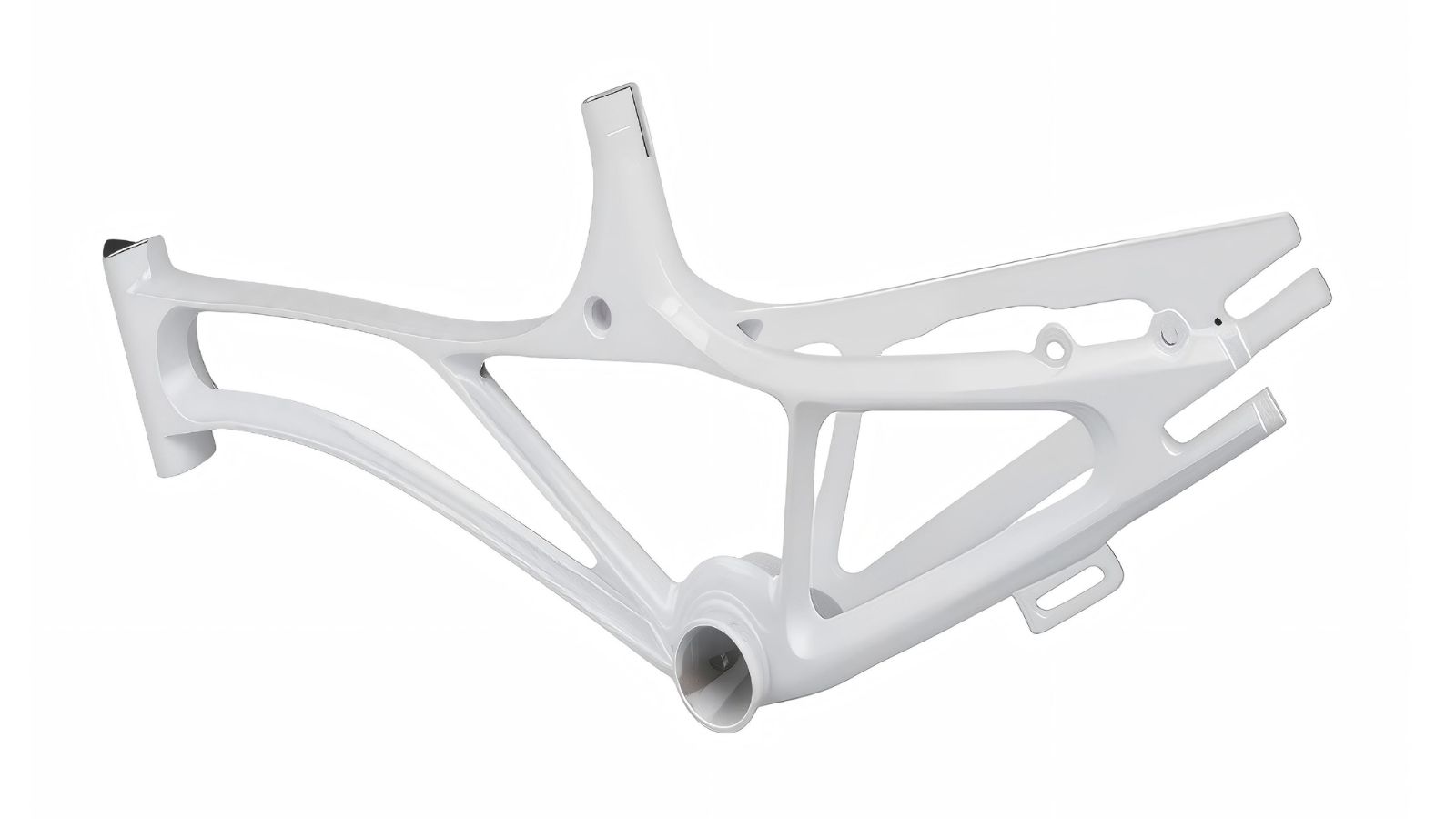
Historically, manufacturing a complete bicycle frame via die casting was considered impractical due to machinery size constraints and the limitations of traditional hollow tubes.
However, a modern high-tonnage die casting machine has revolutionized this process. By utilizing innovative open-truss or ribbed structural designs instead of enclosed tubes, entire main frames can now be die-cast in a single operation. This one-piece construction eliminates weak welded joints, offering incredible rigidity and a sleek aesthetic that is highly sought after for continuous use, low maintenance, and mass production.
Brake Levers, Mounting Brackets and Protective Covers for Bikes
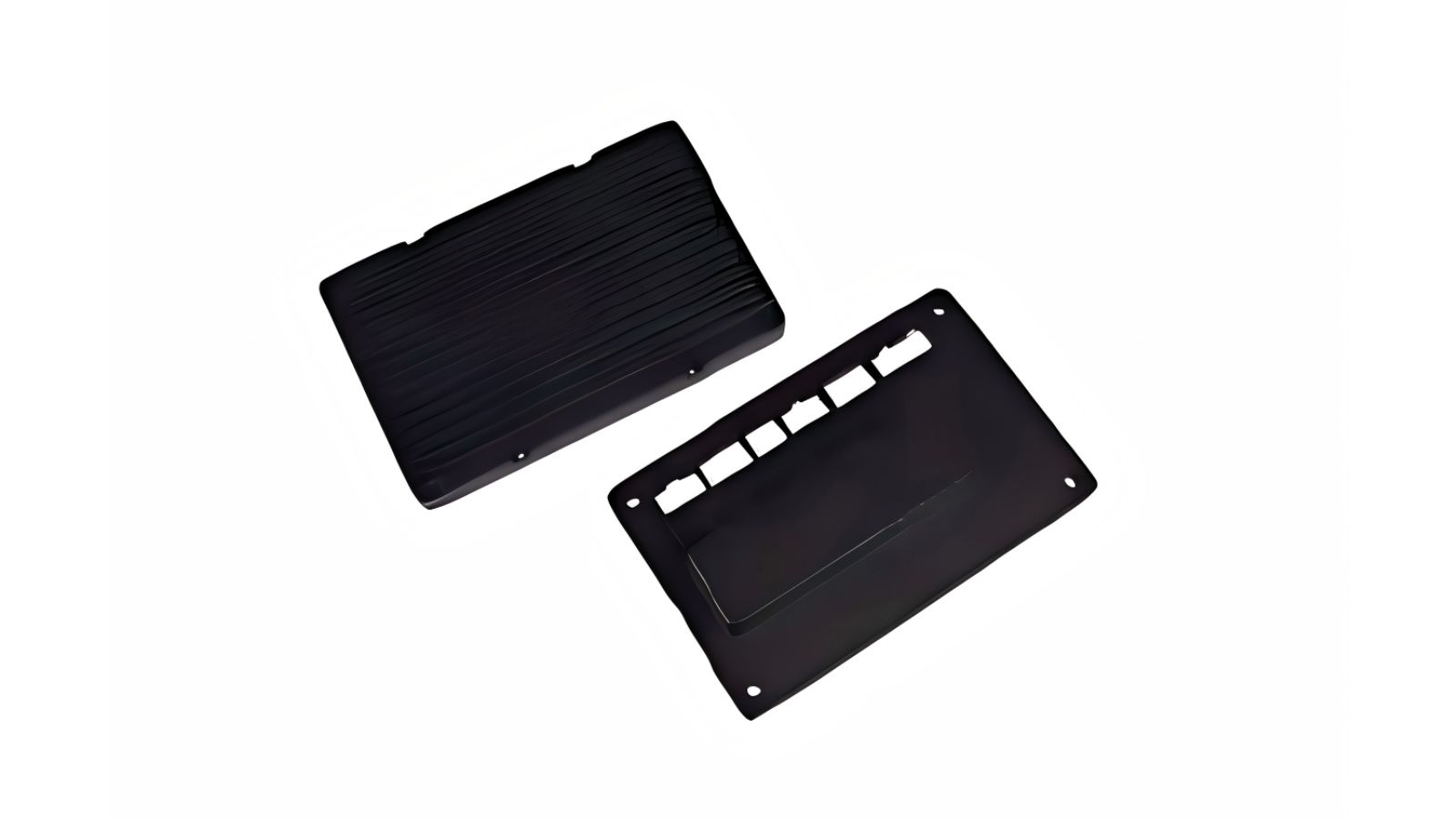
Brake levers are among the most common die-cast bicycle parts. The lever body requires a complex shape with a smooth exterior surface, internal pivot geometry, and mounting features. Die casting produces all of these in a single operation.
Mounting brackets for accessories, lights, computers, and bottle cages are produced efficiently through die casting. Their small size and moderate complexity make them ideal for multi-cavity dies, where several parts are cast in each cycle.
Protective covers and decorative trim pieces also benefit from die casting’s ability to replicate fine surface detail. These parts often go directly to powder coating or anodizing without additional machining.
Motor Enclosures And Gearboxes For E-Bike Systems
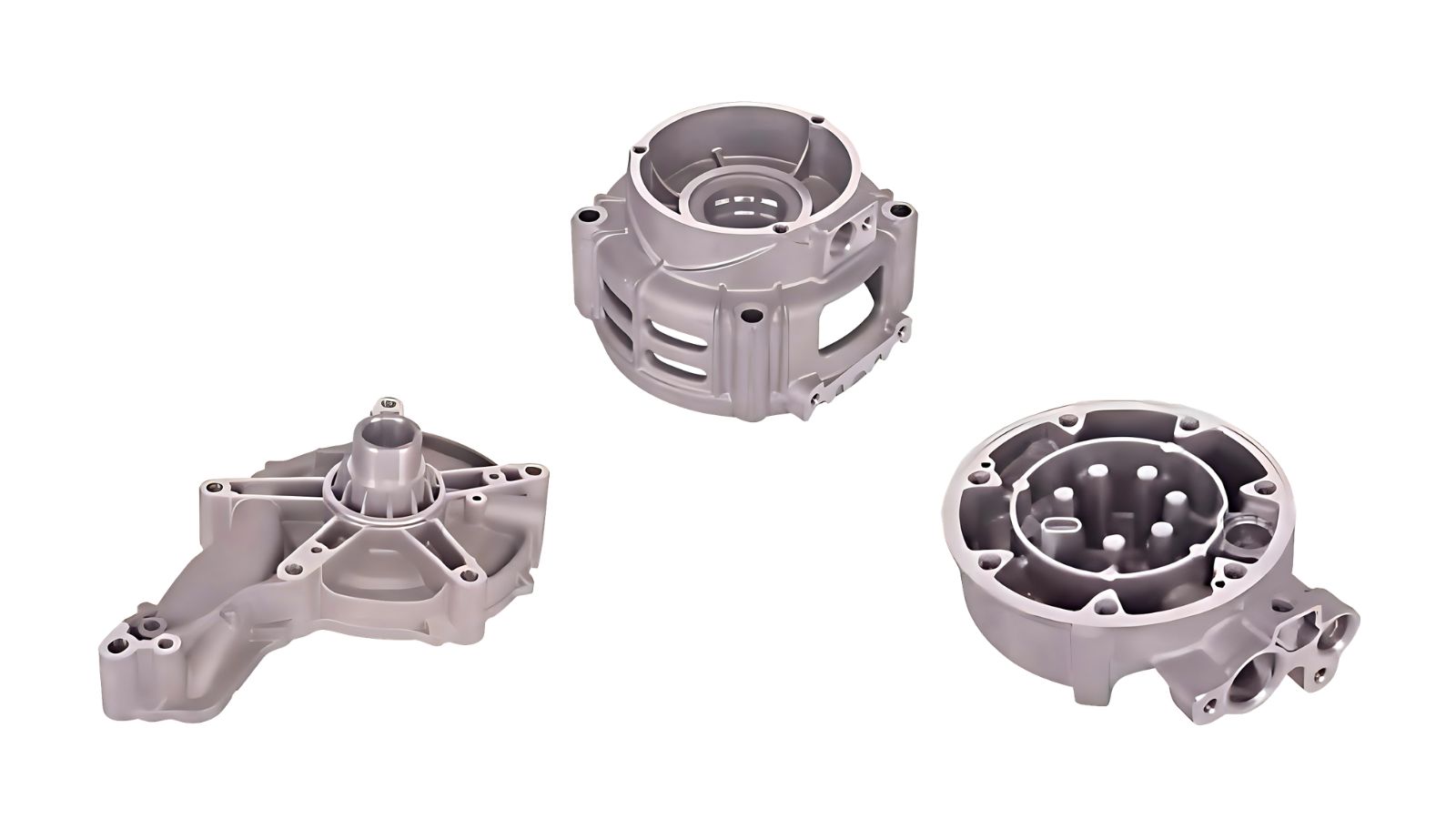
With the evolution of two-wheeled transit, the production of E-bike parts has become another focus of manufacturers, bringing even more standards and function requirements into the scene.
Motor enclosures and gearbox housings must dissipate heat effectively, protect internal electronics, and maintain tight tolerances for bearing and shaft alignment. The ability to integrate mounting bosses, cooling fins, and seal grooves into a single casting reduces part count and assembly time.
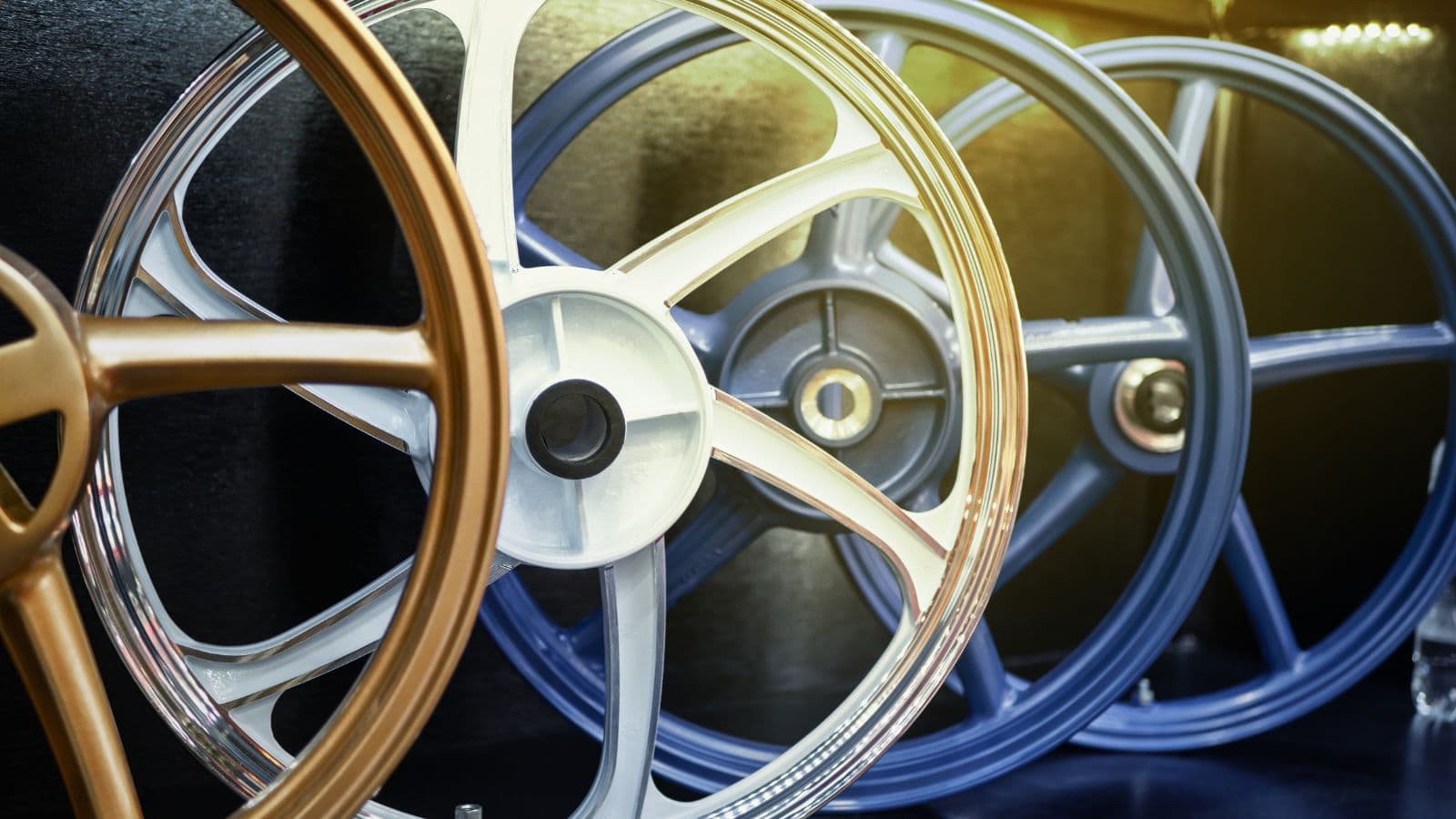
One-Piece Mag Bike Wheels for Lightweight Performance
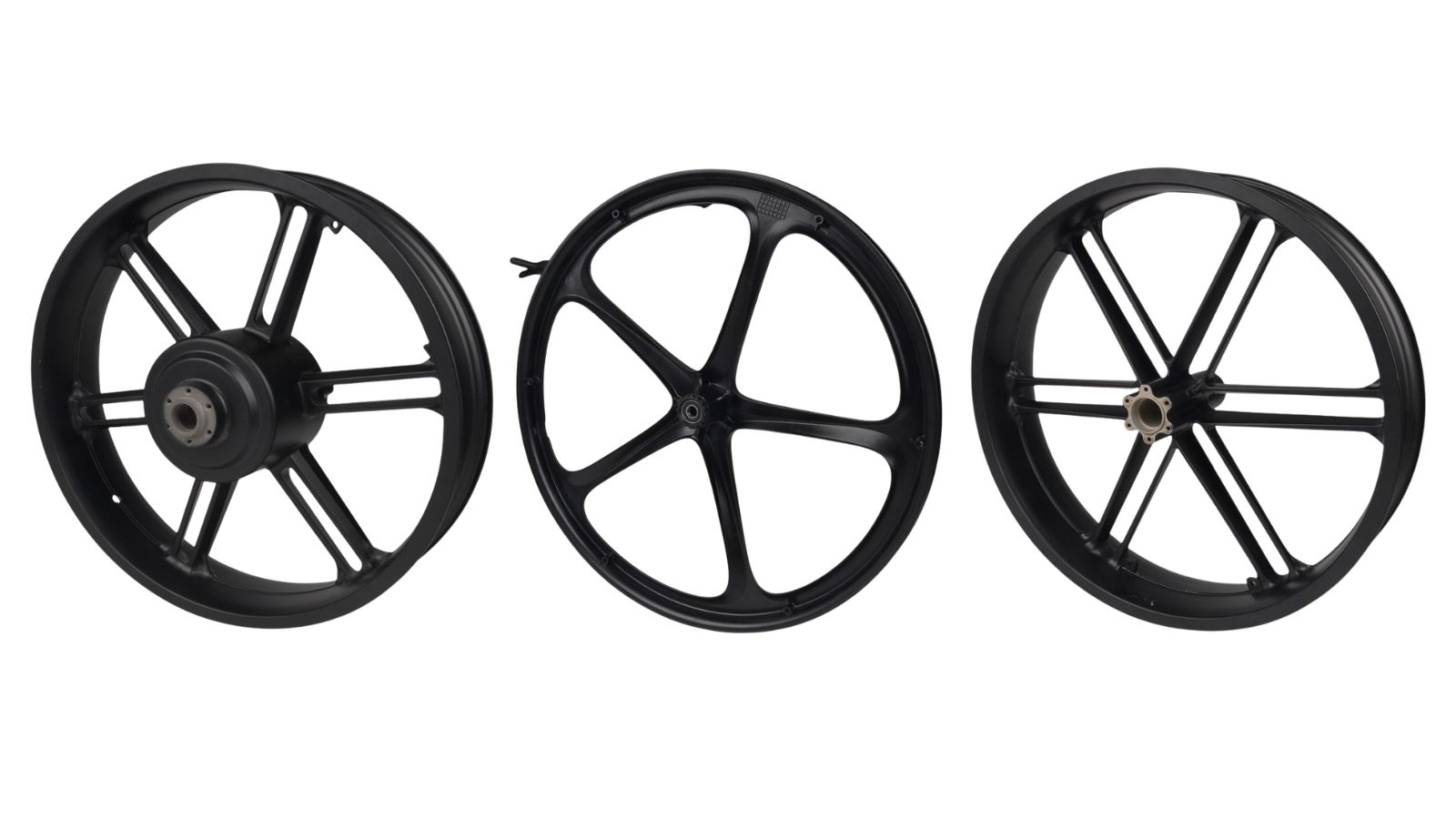
Traditional bicycle wheels rely heavily on spoke lacing, requiring an arduous, labor-intensive assembly process. Furthermore, spoked wheels demand ongoing maintenance, such as periodic tensioning and truing, to stay safe and functional.
High-pressure die casting solves this by producing die-casting bike wheels as true single-piece, monolithic units. By integrating the central hub, supporting aero-blades, and outer rim into one continuous metal structure, the result is a rigid, zero-maintenance profile that can be batch-produced with incredible efficiency.
In terms of materials, cast aluminum wheels were criticized for being too heavy in the past. However, modern manufacturing utilizes advanced magnesium alloys to drastically reduce the wheel’s weight while maintaining structural stiffness. This superior thin-wall casting capability unlocks futuristic design freedom, easily handling the higher torque and heavier chassis weights of modern electric bicycles.
While ultra-lightweight carbon spoked wheels remain the standard for professional racing, die-cast magnesium wheels are the ultimate solution for the booming E-bike, urban commuter, folding bike, and public mobility markets.
Material Selection For Bicycle Die Castings
Alloy choice affects every aspect of a die-cast bicycle part, from weight and strength to corrosion behavior and surface finish quality. The most common material types are aluminum, zinc and magnesium.
Why Aluminum Die Casting Is Common For Bike Parts
Aluminum alloys are the most common types of materials in die casting, not just for bicycle components, but for the entire industry in general. The reasons are straightforward:
- Low density reduces overall bicycle weight
- Natural corrosion resistance from a self-forming oxide layer
- Good thermal conductivity for e-bike motor and battery housings
- Wide alloy availability with well-documented mechanical properties
- Recyclability supports sustainability goals and potential cost savings
Common aluminum die casting alloys for bicycle parts include:
| Alloy | Key Properties | Typical Bicycle Applications |
|---|---|---|
| A380 | Good fluidity, pressure tightness, strength | Motor housings, brackets, lever bodies |
| A360 | Higher corrosion resistance, good ductility | Exposed components, hub shells |
| A383 | Easier to fill complex dies | Thin-wall covers, intricate shapes |
| ADC12 | Balanced castability and strength | General-purpose bicycle parts |
When Zinc or Magnesium Makes More Sense
Zinc die casting is appropriate for small, highly detailed parts that need exceptional surface finish and tight tolerances. Cable ferrules, small adjustment knobs, and decorative badges are common bicycle applications.
Zinc’s higher density limits its use in weight-sensitive structural parts, but its low melting point enables hot-chamber casting for faster cycle times and longer die life.
Magnesium has been trending in recent years because of evolution in alloy production and die casting techniques. It is the lightest structural metal used in die casting and suits applications where weight reduction is the top priority, such as competition wheels, pedal bodies, and premium e-bike motor covers. Alloys like AZ91D and AM60B offer good strength and damping characteristics.
Choosing Alloys for Strength Weight and Corrosion Resistance
Alloy selection should start with the part’s functional requirements. Consider these factors:
- Load type: Static loads favor high-strength alloys (A380, AZ91D). Cyclic or impact loads may require alloys with higher ductility (A360, AM60B).
- Weight target: Magnesium alloys weigh roughly two-thirds as much as aluminum; zinc weighs more than twice as much.
- Environment: Parts exposed to rain, road salt, or sweat need good corrosion resistance. Aluminum and magnesium both benefit from protective surface treatments.
- Finishing method: Some alloys anodize better than others. If anodizing is required, this should influence alloy choice early in design.
- Cost: Aluminum alloys generally offer the best balance of performance and affordability for most bicycle parts.
However, if you wish to simplify the selection process, it is always possible to consult manufacturers for their advice.
Why Moldiecasting: From Design Optimization to Ready-to-Install Bicycle Parts
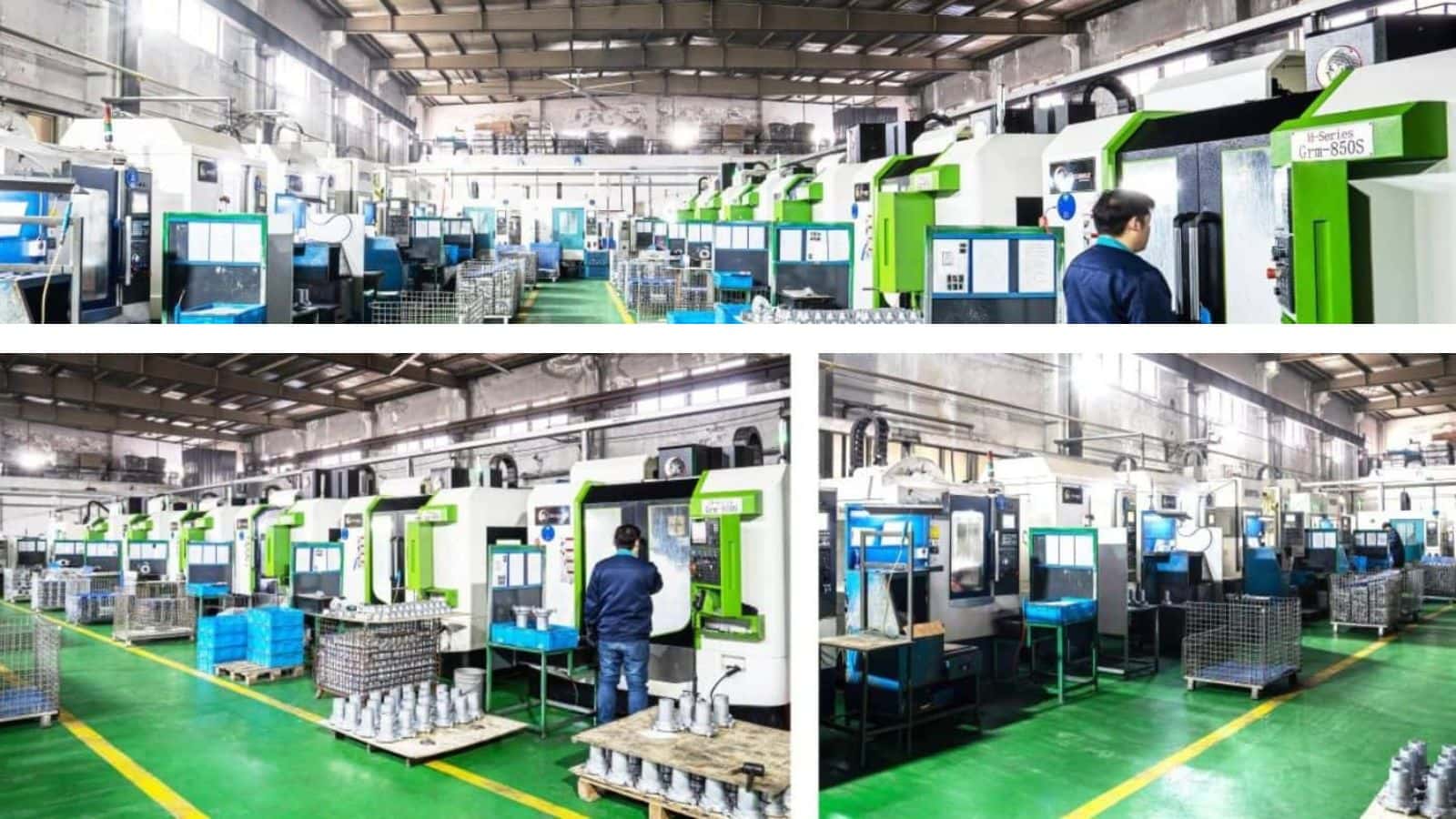
Bringing a die cast bicycle component from CAD files to finished parts involves more than just filling a mold. Moldiecasting operates as a single-source manufacturing partner that manages every one of these variables under one roof, from initial design review through to fully finished, ready-to-assemble bike components.
Design for Manufacturing (DFM) Support
Before any steel is cut, our engineering team reviews your CAD models and applies DFM principles to ensure stiffness without adding bulk and reduce post-casting machining wherever possible.
For weight-sensitive applications such as mag wheels or e-bike motor covers, our processes are able to hold tight tolerances of ±0.1mm to ±0.3mm at critical interfaces like bearing bores and pivot seats.
Mold Simulation and First-Article Validation
Prior to production tooling, we run full mold flow analysis to predict and resolve potential defects at the simulation stage. Once trial castings are produced, rapid inspection closes the loop quickly: full-size CMM inspection reports are issued within days of trial runs after 3D scan reports. This turnaround keeps engineering sign-off on schedule and prevents delays from compounding.
In-House Mold Making, Casting, Machining, and Surface Finishing
All mold manufacturing, casting, CNC machining, and surface finishing are performed within Moldiecasting‘s internal engineering team. We offer tailored surface treatments specifically suited for die-cast bicycle components:
- Powder Coating and Paint Spraying: The industry standard for die-cast frames, mag wheels, and motor housings. It hides minor casting flow marks perfectly while delivering durable, brand-specific colors and textures.
- Shot Blasting & Sandblasting: Essential for surface cleaning, stress relief, and optimal paint adhesion, significantly improving the fatigue life of metal parts.
- Vibratory & Mechanical Polishing: Removes casting flash and smooths parting lines to ensure a clean, safe, and premium tactile feel for exposed parts like brake levers.
- Electroplating: Ideal for smaller zinc die-cast accessories (like cable ferrules and adjustment knobs), offering excellent decorative finishes and weather resistance.
- Specialized Oxidation (e.g., MAO for Magnesium): While standard die-cast aluminum isn’t ideal for cosmetic anodizing, we provide specific micro-arc oxidation treatments for magnesium parts to ensure ultimate corrosion resistance in harsh riding conditions.
Quality Credentials and Production Scale
Beyond our past experience in die casted bike parts production (as seen in our product catalog), Moldiecasting also holds ISO 9001 and IATF 16949 certifications, applying the high quality frameworks to every bicycle component order. We accept all standard file formats—DXF, DWG, IGES, and STEP—for both OEM and ODM projects at any stage of development.
Ready to bring your next bicycle component to life? Contact our engineering team and submit your 2D/3D drawings today, and let our engineering team provide a free design evaluation and competitive quote to accelerate your production.