


Spin casting uses a rotating rubber mold to make small, detailed parts. It can be a practical choice for early samples and short runs in pewter or a compatible zinc alloy. If your project calls for repeat OEM orders, a specified aluminum or magnesium alloy, or critical dimensions that must hold across lots, compare it with high pressure die casting (HPDC) before committing to tooling.
What Is Spin Casting
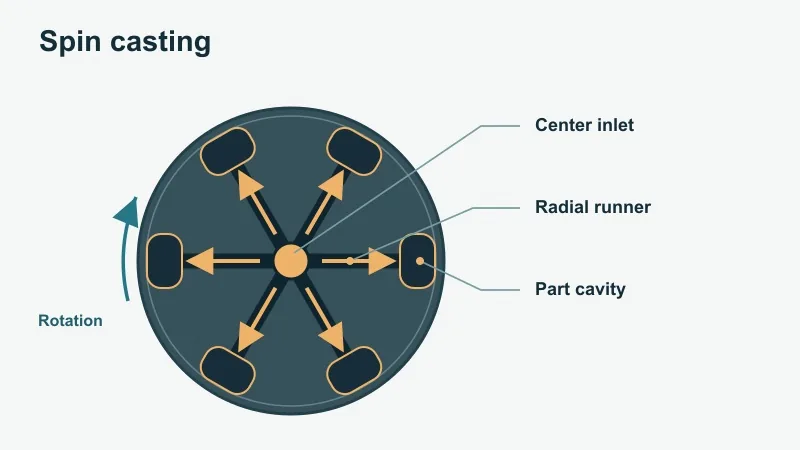
In this guide, spin casting means centrifugal rubber mold casting. A split rubber disk holds cavities around a central opening. Material enters through the center while the mold is rotating, then travels outward through runners and gates. This is a different setup from industrial centrifugal casting used to make hollow cylindrical components such as pipe.
How the Spin Casting Process Works
1. Prepare the mold. Arrange master patterns inside the rubber blank, cure the mold as required, and prepare the gates and vents. Decide where gate marks and parting lines can appear on the finished part.
2. Fill the rotating mold. Clamp the mold in the spin casting machine and bring it up to the specified speed. Feed material through the center while the disk spins. Rotation drives material toward the cavities while vents give displaced air a way out.
3. Demold and inspect. Once the material has solidified or cured enough to handle, open the mold, remove the castings and trim the gates. Check for incomplete fill, flash and visible defects, then verify the dimensions called out on the drawing.
Materials and Applications
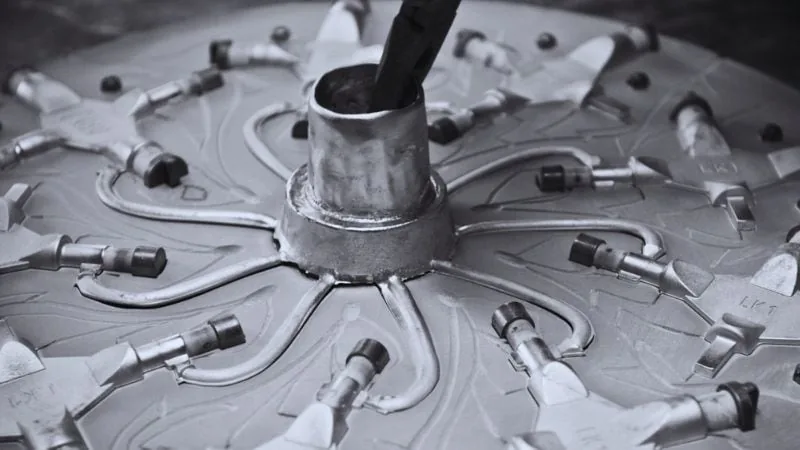
Pewter and suitable zinc alloys are common choices for small decorative hardware, badges, buckles and detailed prototypes. Wax and some resins can also be spin cast with a suitable setup. Confirm the exact alloy grade and the mold compound’s temperature rating before quoting. Standard rubber mold spin casting should not be assumed to support the aluminum or magnesium grades specified for an HPDC project.
Fine lettering or texture can reproduce well, and flexible tooling can help release some details. For parts that must fit an assembly, check mating features and flatness on actual samples. Mold wear, material shrinkage and finishing can affect dimensions. Ask how the supplier will verify both early and later lots.
Spin Casting vs High Pressure Die Casting
A zinc part can be a candidate for either process. Compare what each supplier can deliver against the same drawing and order forecast. Where the part is larger or requires an alloy outside these two routes, sand or investment casting may deserve a separate review.
| Decision factor | Rubber mold spin casting | High pressure die casting |
|---|---|---|
| Tool and filling | A rotating rubber disk moves material through radial runners. | A machine injects molten metal under pressure into a reusable steel die. |
| Typical materials | Pewter and compatible zinc alloys; some systems also cast resins or waxes. | Process specific grades of zinc, aluminum and magnesium. |
| Tooling economics | Lower initial tooling cost for many small parts. Include mold replacements and manual work in the quote. | Higher initial tooling cost. Compare repeat order volumes, cycle time, machining and die maintenance. |
| What to validate | Dimensions after cooling, cosmetic finish and output over mold life. | Repeatability, as-cast versus machined features and any leak or strength requirement. |
When to Move from Samples to Steel Tooling
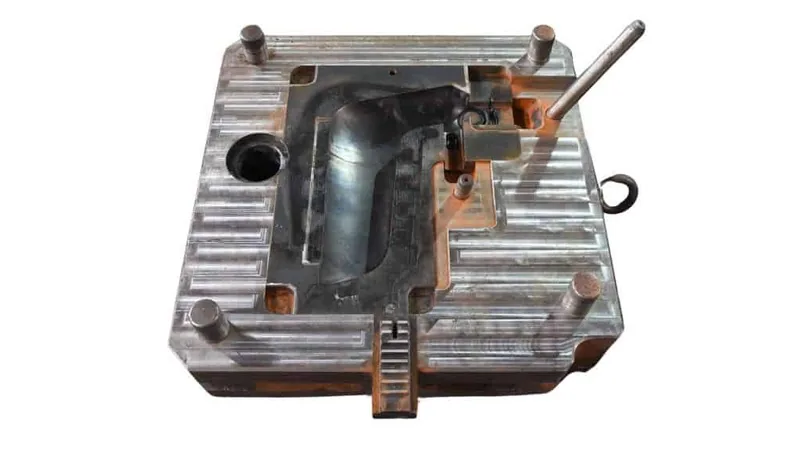
A spin cast sample can help you evaluate appearance and fit. Before using it to approve production, review the part for the target process. The HPDC die may need different draft, parting lines, gates and ejector locations. Approve a production trial against the drawing and test requirements, especially when the part has a sealing face, loaded feature or tight assembly fit.
For repeat zinc programs, review our zinc die casting molds. If your material specification calls for aluminum or magnesium, compare our aluminum die casting molds and magnesium die casting molds before finalizing the tool scope.
If the process is still open, use a die casting mold design and DFM review to identify features that affect filling, ejection, machining and tool layout. Compare quotes at the same forecast volume, including tool cost, replacements or maintenance, secondary operations and inspection. There is no single order quantity at which steel tooling becomes the better option.
Request a Die Casting Mold Review from Moldiecasting
Planning a production die for a zinc, aluminum or magnesium part? Send your 3D model and 2D drawing with the specified alloy, trial and annual volumes, critical tolerances and finish or test requirements. If a spin cast sample already exists, include photos and note any fit or cosmetic issues. We can review the part for high pressure die casting and scope the steel tooling for a quote. Request a Die Casting Tooling Quote