


Die tool steels sit at the core of modern die casting mold manufacturing. These materials stand apart from standard tool steels because they balances hardness, toughness, and heat resistance.
This blog serves as a guide to help you learn about the properties and selection of die tool steels so you can better understand the manufacturing process of your die casting provider and communicate efficiently during design and production phases.
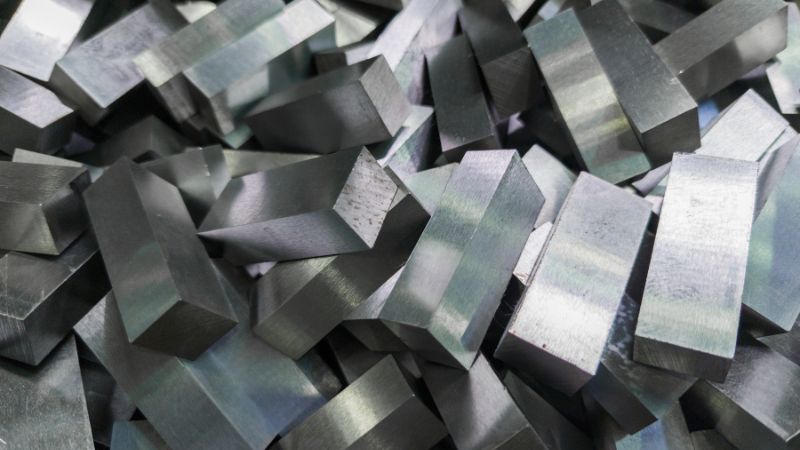
Hot Work Die Steels for Die Casting
Explained in plain language, die tool steel is a type of tool steel made for dies and molds, which must hold their shape while facing high force, friction, and heat. They can be grouped into cold work, hot work, and plastic mold grades. Among them, the hot work die steels are highly related to die casting molds.
Hot work die steels handle repeated exposure to high temperature and mechanical stress. They serve forging dies, die casting molds, and hot extrusion tools.
Common Hot Work Die Steels for Die Casting Molds
In aluminum and zinc die casting, H13 is the most widely used hot work steel because it offers a stable combination of hot strength, toughness, and machinability for complex molds and inserts.
Variants and equivalent grades (such as 1.2344 or SKD61) provide similar performance depending on local standards and supply. For very demanding conditions or long‑life tools, premium or modified H13 grades with improved cleanliness and toughness are often selected.
Die Tool Steel Properties and How They Benefit Mold Production
Die tool steels for die casting molds must work under extreme conditions. Their value comes from a wide range of properties that are helpful in real production.
Hardness and Wear Resistance in Die Casting
For die casting molds, hardness is key to controlling wear on the components and different areas of a die. Properly heat‑treated hot work steels such as H13 typically reach around 46–52 HRC for aluminum die casting, with 48–50 HRC being most common for production tools. This is high enough to limit erosion from fast‑flowing molten metal during production.
Strong wear resistance helps the mold withstand:
- Erosion in high‑velocity metal flow areas (gates, runners, overflow regions)
- Molten aluminum or zinc that tends to adhere to the die surface
- Repeated closing and clamping of the die when ejecting finished parts
Carbide coatings formed by carbon, chromium, and vanadium slow material loss at the hot die surface. A smooth, well‑polished surface and suitable coating further reduce friction and soldering, extending die life and keeping casting dimensions consistent.
Toughness and Impact Strength Under Injection Loads
Toughness is just as important as hardness in die casting applications. Its main difference from hardness is that hardness refers to resistance to surface wear and indentation, while toughness means resistance to cracking and breaking under impact. This quality is especially important in:
- Thin die components and areas exposed to high injection pressure
- Areas that see repeated mechanical loading and impact (near ejector pins and parting lines)
High impact strength reduces the risk of sudden fracture when the die experiences misalignment, metal pressure spikes, or thermal shock from uneven heating and cooling.
Corrosion Resistance
While die casting molds do not require full stainless‑steel corrosion resistance, moderate corrosion resistance still benefits daily operation and maintenance. Chromium in hot work steels helps slow rust between production runs, during storage, or when cooling water and humid environments are present.
Corrosion first shows up as pitting or staining on cavity surfaces, slides, and cores. These defects can transfer to cast parts, which affect release and increase cleaning time. Therefore, beyond choosing the right tool steel, proper cleaning, rust‑preventive oils, and controlled storage are also needed to help maintain surface quality and reduce unplanned downtime for maintenance.
Dimensional and Thermal Stability
Dimensional stability is critical for holding tight tolerances in die casting molds. Steels used for dies must maintain their shape after heat treatment and throughout their service life.
Key aspects of stability in die casting include:
- Low distortion during heat treatment, so cavity dimensions stay within machining allowances
- Good temper resistance, so hardness and strength remain stable at operating die temperatures
- Resistance to thermal fatigue, limiting heat checking and surface cracking over many casting cycles
Hot work die steels with good thermal stability prevent softening, distortion, and excessive growth of the die under repeated heating and cooling. This stability helps keep parting lines tight, maintains shut‑off surfaces, and preserves the alignment of cores and inserts, directly supporting consistent casting accuracy and longer mold life.
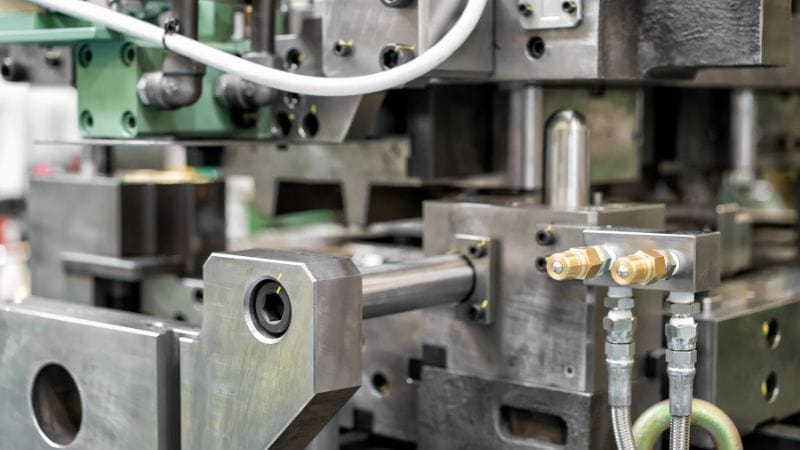
How Tool Steel Performance Affects Die Casting Mold & Production
If the technical details above seem to be too complex, here is a chart that explains how these properties improve product quality and efficiency:
|
Property
|
What You See in Production
|
|---|---|
|
Hardness / wear
|
Longer mold life, more stable dimensions, fewer changes to critical areas
|
|
Toughness
|
Less risk of broken cores, chipped edges, or sudden die failures
|
|
Thermal stability
|
Consistent part dimensions, tight parting lines, and reliable shut‑offs
|
|
Corrosion resistance
|
Cleaner cavities, fewer surface defects, reduced cleaning and downtime
|
|
Thermal fatigue
|
Smoother surfaces for longer, fewer repairs and welds on the mold
|
Consult Your Die Casting Supplier
This blog should give you a brief introduction about tool steel, but there are many more variables that need to be taken into account, and you should consult your die casting mold manufacturer for more details. It is recommended to quote with:
- An upfront request on specific materials
- A description or diagram on the product
- And more, so long as you provide the mold manufacturer with a clear direction
If you are still not sure where to start, feel free to send in your quote, and experts at Moldie will be glad to assist you.
Frequently Asked Questions
What determines the best type of die tool steel for a specific application?
Operating temperature plays a major role. Hot work processes like die casting need steel that keeps strength at high heat, while cold work tasks focus on wear resistance.
Load type also matters. High-impact work favors tougher steels, while long production runs favor grades with strong wear resistance and stable size control.
How do the properties of tool steel impact its performance as a die material?
Wear resistance controls how long a die holds its shape. High wear resistance reduces edge rounding and surface damage during repeated cycles.
Toughness limits cracking and chipping. Heat resistance helps the die keep its hardness when exposed to high process temperatures.
How does hardness affect die casting mold life?
In die casting, higher hardness generally improves resistance to erosion and wear in high‑flow areas of the mold, which extends tool life. However, if hardness is pushed too high, toughness drops and thin or highly stressed areas become more likely to crack. A balanced hardness range, chosen together with your die casting supplier, helps achieve long life without brittle failures.
Which tool steel is most commonly used for aluminum and zinc die casting molds?
H13 and its equivalents (such as 1.2344 or SKD61) are the most common choices for aluminum and zinc die casting molds because they combine hot strength, toughness, and good machinability. For particularly demanding applications, premium H13 variants or other improved hot‑work steels may be used to better resist heat checking, erosion, and cracking.