


Aluminum appears in countless products—from phone cases to aircraft parts—but not all aluminum surfaces perform the same. The difference often comes down to anodizing, a process that changes how the metal behaves and how long it lasts. This article will explain to you how anodizing works, what are different types available, and their varied applications.
Core Principles of Aluminum Anodizing
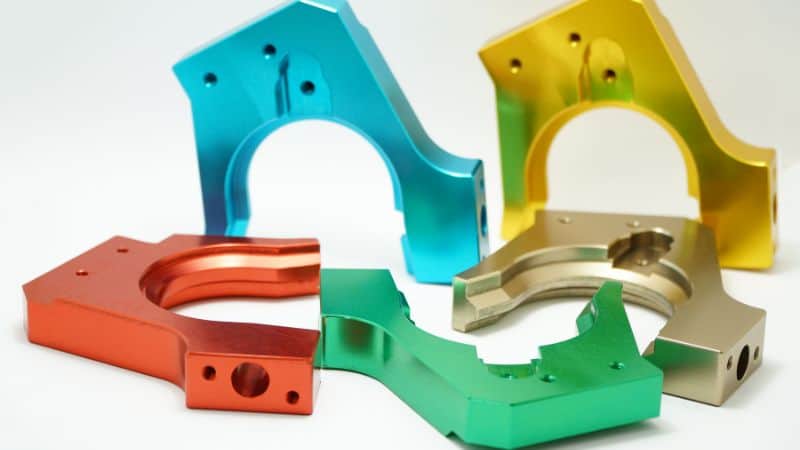
Anodizing is an electrochemical process that transforms the surface of aluminum through controlled oxidation. The aluminum part becomes the anode in an electrolytic cell, usually placed in an acid solution. When electric current passes through the solution, oxygen reacts with the metal, forming an aluminum oxide layer.
Unlike paint or plating, the anodized layer merges with the metal instead of sitting on top. This makes the surface more durable and less likely to chip or peel. Common thicknesses vary depending on the type— typically 5 to 25 micrometers for decorative purpose, 10 to 25 micrometers standard coating, or 25 to above 150 micrometers for hard coat anodizing.
Key process factors include:
- Electrolyte type
- Voltage and current density
- Bath temperature and duration
These variables control the oxide layer’s hardness, color absorption, and porosity. After anodizing, parts are often sealed to close surface pores and enhance corrosion resistance.
For more on the technical details and benefits of different anodizing process, see our blog on types of anodizing process.
Natural Oxide Layer vs. Anodized Layer
All aluminum naturally forms a thin oxide layer of about 2–3 nanometers when exposed to air. This layer provides some protection but remains weak against abrasion or harsh environments. In contrast, anodized aluminum has an oxide layer that can be thousands of times thicker and much harder.
| Property | Natural Oxide Layer | Anodized Layer |
|---|---|---|
| Thickness | 2–3 nm | 1–150 µm |
| Formation | Exposure to air | Electrochemical process |
| Durability | Limited | High |
| Color options | None | Wide range (dyed coatings) |
| Porosity | Very low | Moderate (sealable) |
How the Anodizing Aluminum Process Works
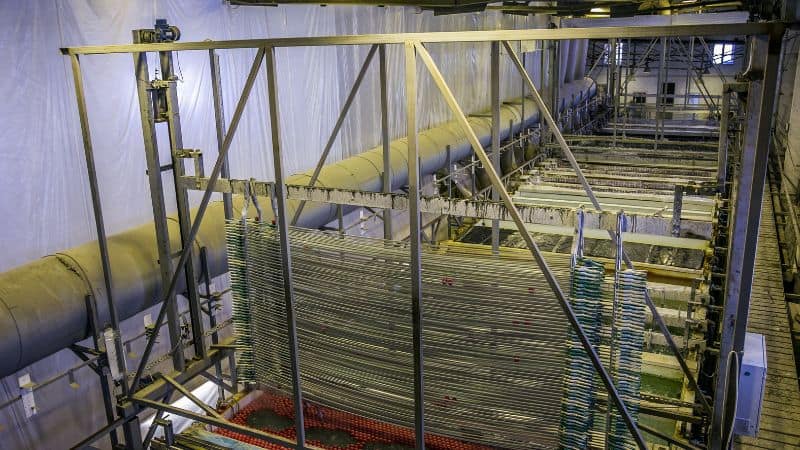
Surface Preparation and Cleaning
Proper surface preparation ensures that the oxide layer forms evenly and bonds tightly to the aluminum substrate.
- Degreasing: The process begins with a mild alkaline cleaner to remove oils and dirt. This is especially important for die-cast parts, which have oily release agents from the molds. This step prevents contamination in subsequent stages.
- Etching: The aluminum may then be etched in a chemical solution. This removes surface irregularities to create a uniform, matte texture.
- Desmutting: A brief dip, often in nitric acid, dissolves smutty residues left by alloying elements (like copper or zinc) on the surface of aluminum alloys.
- Rinsing: After each chemical step, operators thoroughly rinse the parts in deionized water to remove all residual chemicals.
Finally, the cleaned parts are mounted on racks that maintain a secure electrical connection, allowing an even flow of current during anodizing.
Anodizing Process of Oxide Layer
The aluminum parts next enter an anodizing tank, which is also called an electrolytic cell. The tank holds an acid electrolyte bath and includes two key electrodes:
- The aluminum piece acts as the anode.
- A sheet of lead or aluminum serves as the cathode.
When an electric current is applied, it drives an electrochemical reaction that converts the outer layer of the aluminum substrate into aluminum oxide, thickening the naturally present oxide film into a controlled, porous layer. During this process, oxygen ions from the electrolyte react with the aluminum surface to form microscopic pores, allowing gases and ions to move in and out as the film grows.
The resulting anodic layer is integral to the metal itself, meaning it cannot peel or flake. This anodized coating provides notable corrosion resistance and surface hardness.
The characteristics of the oxide layer are determined by multiple key process variables: electrolyte type, temperature of the bath, current density and voltage, as well as processing duration.
Post-Treatment with Sealing and Coloring
After oxidation, the porous layer is stabilized through sealing or coloring steps. Sealing closes the microscopic pores, improving durability and resistance to moisture and chemicals.
If color is desired, the surface absorbs dyes before sealing. Dye baths introduce organic or inorganic pigments into the pores, adding colors such as black, blue, or bronze.
For metallic tones, electrolytic coloring uses metal salts like tin or cobalt under an alternating current to deposit fine color particles.
Once sealed, the anodized surface becomes smooth and low‑porous. This makes it easier to clean, more resistant to corrosion, and suitable for both functional and decorative applications.
Benefits of Anodized Aluminum
Anodizing transforms aluminum from a versatile metal into a high-performance material, delivering tangible benefits across engineering, aesthetics, and lifecycle cost. The key advantages extend beyond a single property to offer integrated solutions.
Enhanced Durability for Demanding Environments
The integral, ceramic-hard oxide layer provides exceptional defense against wear and corrosion. This translates to:
- Longer Service Life: Components withstand abrasion, weathering, and chemical exposure, reducing failure rates in applications from aerospace components to architectural facades.
- Lower Maintenance Costs: The surface resists staining, chipping, and peeling, eliminating the need for frequent repainting or refinishing. Routine cleaning is simple and effective.
- Preserved Precision: For mechanical parts, the wear resistance maintains dimensional integrity under friction, ensuring consistent performance over time.
Superior Aesthetic and Functional Integration
Anodizing uniquely combines decorative appeal with functional performance:
- Permanent, Fade-Resistant Color: Unlike applied coatings, dyes are sealed within the oxide layer, offering a vast color palette with excellent UV stability for consumer electronics and architectural designs.
- Metallic Integrity Maintained: The finish retains aluminum’s metallic luster and texture, appealing to designers while providing a tactile, premium feel.
- Enhanced Surface Utility: The sealed surface is non-porous, easy to clean, and resistant to fingerprints, making it ideal for both decorative trim and high-touch interfaces.
Economic and Operational Advantages
The process delivers significant value beyond initial material properties:
- Cost-Effectiveness Over Lifecycle: While the anodizing process adds a step, the extended product lifespan and minimal maintenance often result in a lower total cost of ownership compared to alternative finishes.
- Material Efficiency: The coating is part of the substrate, not an added layer that can be wasted. Anodized aluminum remains fully recyclable, supporting sustainable manufacturing goals.
- Reliability in Diverse Applications: From providing electrical insulation in heat sinks to improving lubricity in moving parts, the anodized surface adds reliability that simplifies product design and assembly.
Applications of Anodizing Aluminum
Consumer Electronics and Industrial Uses
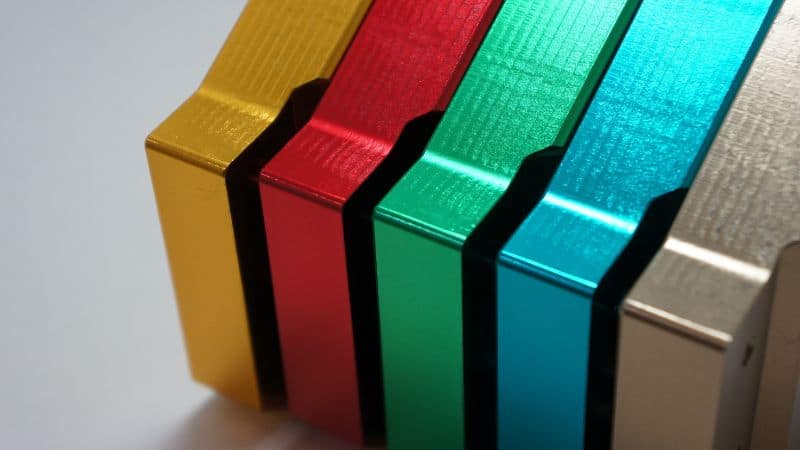
Anodizing gives aluminum housings in laptops, smartphones, audio systems, and cameras a sleek, scratch-resistant exterior that stays attractive through long-term use. The oxide layer protects against fingerprints, oxidation, and wear.
In industrial applications, hard anodizing extends the lifespan of parts like hydraulic cylinders, valves, and machining tools. The dense oxide layer helps them withstand heat and abrasion in production environments.
Aerospace manufacturers use anodized aluminum for parts that must be lightweight yet strong. Components such as aircraft panels, fittings, landing gear housings, and control surfaces often rely on anodized coatings to resist corrosion from moisture and salt exposure.
The combination of strength, aesthetics, and functional performance makes anodized aluminum an industry standard for both consumer and industrial products.
Architecture, Construction, and Other Industries
Buildings use anodized aluminum for window frames, curtain walls, facades, and panels that need consistent color and weatherproof surfaces. The anodized layer protects against ultraviolet light, pollutants, and moisture, reducing maintenance needs over many years. The surface can be matte or glossy and comes in various shades, allowing architects to match design specifications without relying on paint.
In construction and signage, anodized finishes add both strength and aesthetic value. Other uses include cookware, automotive trim, and marine fittings, where durability and corrosion resistance matter most. The process supports recyclability, making anodized aluminum a preferred choice for sustainable, long-lasting design.
Moldie: Expert in Metal Finishing & Aluminum Anodizing Service
In general, anodizing is a transformative process that elevates aluminum’s inherent properties to meet technical and aesthetic requirements of your projects. To achieve these results consistently and efficiently, partnering with a specialized provider is crucial. Moldie combines precision engineering with extensive finishing expertise to deliver anodized aluminum solutions that ensure performance, longevity, and value for your specific application.
Ready to enhance your product with professional anodizing? Contact Moldie today for our extensive range of services from prototyping to high-volume production.