


Brass Die Casting: A Guide to Process, Properties, and Key Applications
When discussing die casting, the most typical materials that come to mind would be metals like aluminum or zinc. But there are also other materials with unique advantages, and brass is one of them.
The following blog will offer you an overview of brass die casting, including the process involved, common alloys used, and the distinct benefits that make teams choose brass over other metals.
Overview of Brass Die Casting
In essence, brass die casting is still a type of die casting that forms parts by injecting molten brass into hardened steel molds under high pressure.
Unlike basic brass casting methods, die casting uses reusable molds. This approach supports higher production volumes and stable quality.
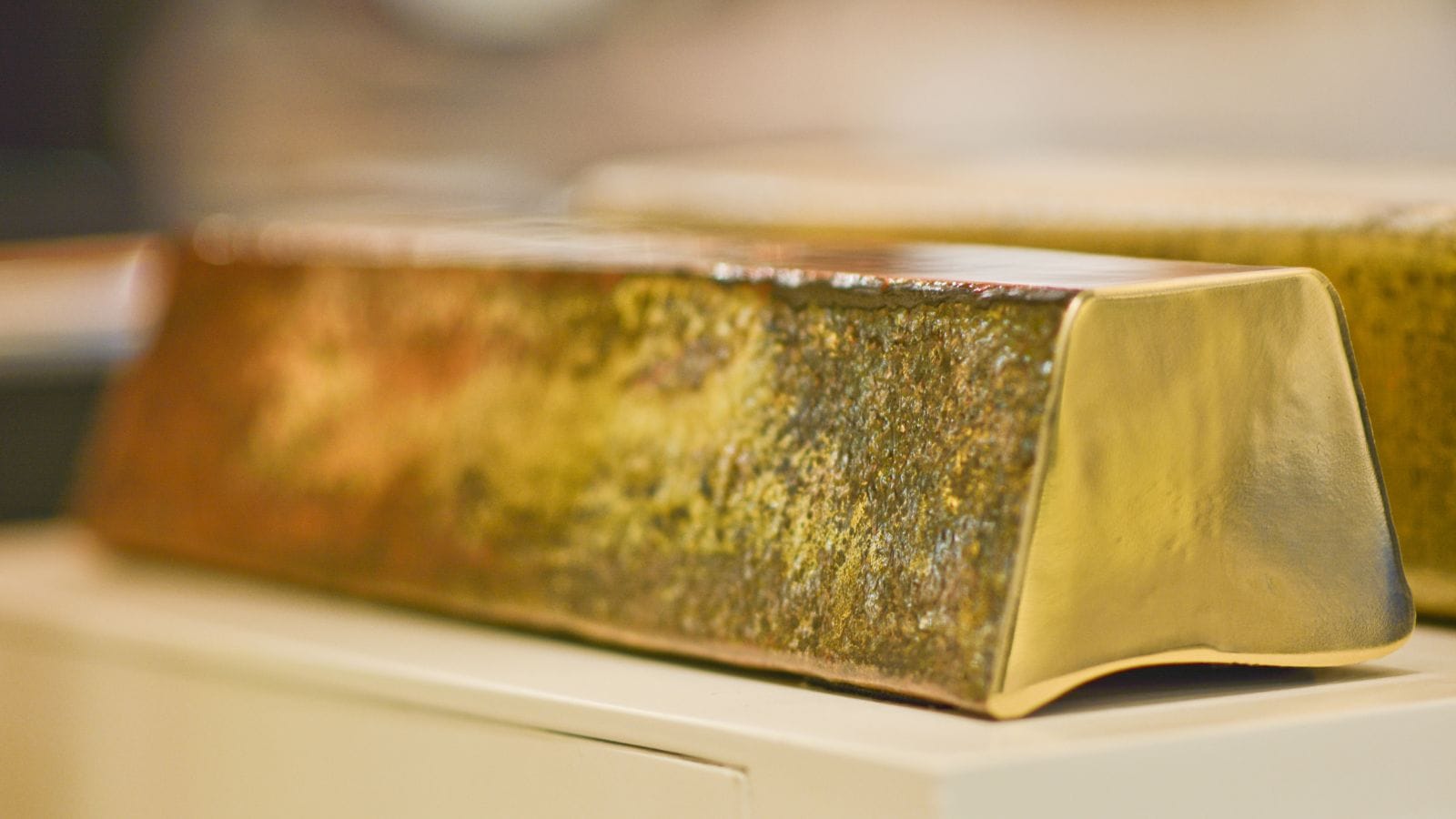
Key Characteristics of Brass Die Casting
Brass die casting offers a mix of strength, durability, and precision. These traits make it different from other metal casting methods.
Ključne karakteristike uključuju:
- otpornost na koroziju, which supports use in wet or harsh settings
- Dobra otpornost na habanje, useful for moving parts
- Stable performance at higher temperatures
- Strong electrical conductivity for connectors and contacts
- Završna obrada glatke površine, reducing extra machining
Brass Die Casting vs Other Metal Casting Methods
This topic can be divided into two groups: brass vs. other materials i brass die casting vs. other brass casting techniques.
Brass die casting differs from sand casting and gravity casting in speed and precision. Die casting uses pressure, while other methods rely mainly on gravity.
Compared to aluminum die casting, brass die casting runs at higher temperatures. Brass costs more than aluminum, but it offers better corrosion resistance and strength in many uses.
Brass Die Casting vs. Copper Die Casting: Understanding the Distinction
Iako „copper die casting” is often used as an umbrella term for all copper-based alloys, there is a distinct difference between die casting with mesing (a copper-zinc alloy) and Čisti bakar (or high-copper silicon alloys). Understanding these differences is crucial for engineers choosing between conductivity and durability.
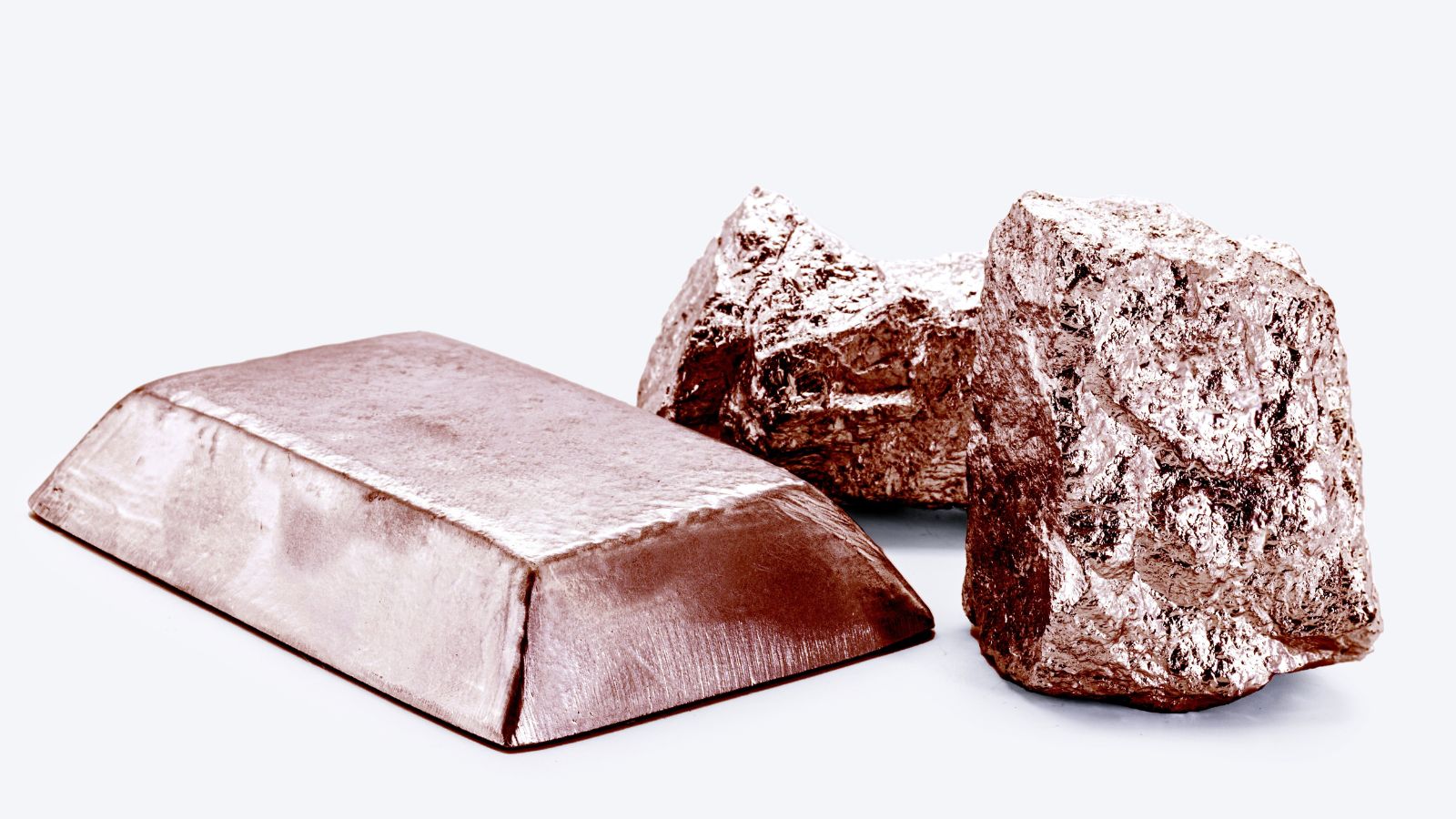
Material Composition and Castability
- Brass Die Casting: Brass is an alloy consisting primarily of copper and zin. The addition of zinc significantly lowers the melting point and increases the fluidity of the metal. This makes brass much easier to cast, resulting in longer mold life and better filling of complex cavities.
- Copper Die Casting: Casting pure copper is extremely challenging. Copper has a much higher melting point (approx. 1,084°C or 1,984°F) compared to brass. This extreme heat creates severe “thermal shock” on the die-casting molds, leading to rapid heat checking (cracking) of the tool steel. Consequently, pure copper die casting is rare and often reserved for specialized applications.
Mehanička i fizikalna svojstva
The choice between brass and copper often comes down to a trade-off between snaga i provodljivost:
- Strength & Machinability (Winner: Brass): Brass alloys are significantly harder and stronger than pure copper. They offer superior tensile strength and are easier to machine (drill, thread, or cut) after casting without “gumming up” tools.
- Conductivity (Winner: Copper): Pure copper is the standard for electrical and thermal conductivity (100% IACS). While brass is conductive, the presence of zinc reduces its electrical performance. If the primary function of the part is to transmit electricity with minimal resistance, pure copper is preferred despite the manufacturing difficulty.
Troškovne implikacije
Brass die casting is generally more cost-effective than copper die casting for two reasons:
- Trošak sirovina: Zinc is cheaper than copper, making the brass alloy less expensive per pound than pure copper.
- Tooling Life: Because copper requires higher temperatures, the steel molds deteriorate much faster. A die used for pure copper may last only a few thousand shots, whereas a brass die casting mold can last tens of thousands of cycles, significantly amortizing the tooling cost.
Types of Brass Alloys Used in Die Casting
Selecting the correct brass alloy directly impacts your component’s tensile strength, corrosion resistance, and long-term performance. Manufacturers primarily rely on copper-zinc base alloys (typically 55–60% copper), as the added zinc improves fluidity for precise mold filling while lowering the melting point.
Depending on a project’s exposure to load, moisture, or chemicals, designers typically select from the following standard die-casting alloys:
- Mjed 380: Offers excellent pressure tightness and corrosion resistance. It is the standard choice for valve bodies, fluid fittings, and pump housings.
- Crvena mjed (C83600): Contains a higher copper content than standard brass, allowing it to cast easily and machine exceptionally well. It is highly common in faucets, plumbing fixtures, and decorative hardware.
- Mornaričke mesingane žice (C46400): Formulated with added tin to provide superior resistance to dezincification in saltwater and marine environments.
- Standard Copper-Zinc (C85700, C85800, C86500, C87800): These foundational grades provide an excellent balance of structural strength and wear resistance for everyday mechanical components.
- Copper-Zinc-Manganese (C99700, C99750): These premium alloys add manganese to drastically increase overall toughness and tensile strength. While slightly more expensive, they are required for heavy-duty parts subjected to high impact, heavy loads, or repeated mechanical stress.
The Brass Die Casting Manufacturing Process
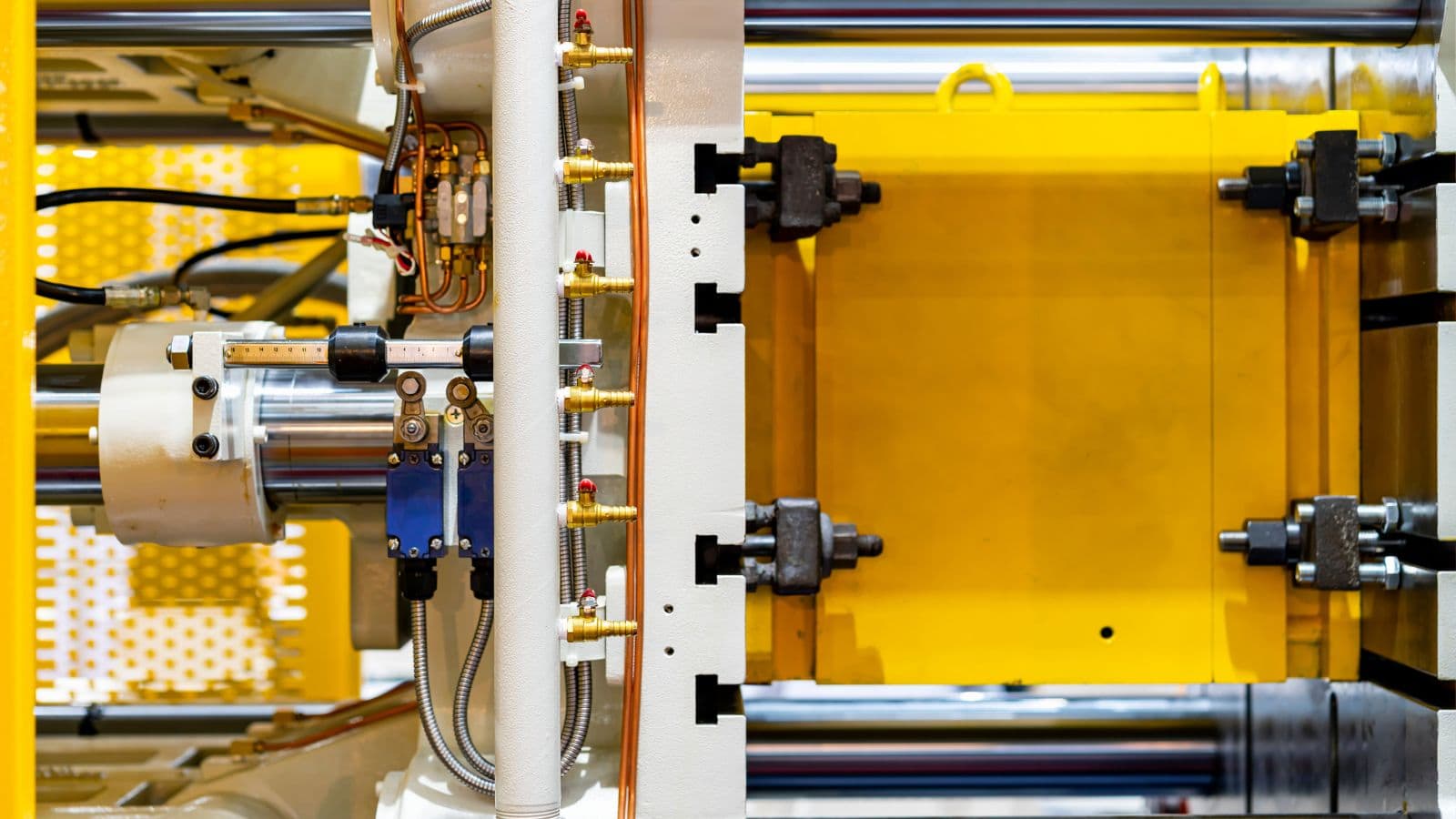
The Principles of Brass Die Casting Procedure
The brass die casting process is engineered for the rapid, high-volume production of near-net-shape components. Rather than relying on gravity, this method injects molten brass into custom-machined, pre-heated hardened steel dies under immense pressure.
Because the metal is forced into every crevice of the mold, it rapidly cools and solidifies into highly detailed, precise shapes within seconds. This high-speed, automated cycle allows for continuous and highly repeatable production runs, yielding consistent parts that require minimal secondary machining or post-processing.
Cold Chamber Die Casting Machines
Because brass alloys have significantly higher melting temperatures than aluminum or zinc, they require specialized tlačni lijev u hladnoj komori equipment. To prevent thermal damage to the machinery, these advanced systems keep the molten metal outside the injection system until the exact moment of casting.
By utilizing robust, hardened-steel components and exceptionally high clamping forces, cold chamber machines can process a variety of demanding brass alloys with absolute consistency.
Advantages of Brass Die Casting
Brass die casting delivers strong performance where durability, precision, and stable properties matter. It supports demanding environments, tight part requirements, and consistent high-volume output.
Otpornost na koroziju i trošenje
Brass resists corrosion from water, air, and many chemicals. It performs well in both indoor and exposed settings without added coatings.
The alloy also offers solid wear resistance. Moving parts made by brass die casting keep their shape under repeated use, as brass handles friction better than many softer metals.
Electrical and Temperature Properties
Brass provides reliable electrical conductivity. Manufacturers use it for parts where steady current flow matters. It balances conductivity with strength, which helps parts hold shape during use.
The material also shows good temperature resistance. Brass handles higher heat than zinc and aluminum without losing strength.
Production Efficiency and Dimensional Precision
Brass high-pressure die casting is engineered for high-volume consistency, offering several cost-saving manufacturing advantages once your custom tooling is developed. The superior flow characteristics of molten brass allow it to fill intricate die cavities with absolute accuracy.
- Exceptional Surface Finishes: Parts emerge from the mold with a smooth finish, significantly reducing the time and expense required for secondary polishing or surface treatments.
- Near-Net-Shape Precision: The process easily accommodates thin walls and complex geometries, holding tight dimensional tolerances that minimize the need for post-casting machining.
- High-Volume Repeatability: Automated cycle controls ensure that every single part in a massive production run maintains the exact same shape, size, and structural integrity.
- Smanjeni materijalni otpad: By casting parts extremely close to their final dimensions, material scrap is kept to a minimum, ensuring your production budget is utilized efficiently.
Applications of Brass Die Casting
The unique advantages of brass die casting support products that need strength, accuracy, and stable performance. Many industries rely on brass castings for parts that face heat, moisture, wear, and electrical load.
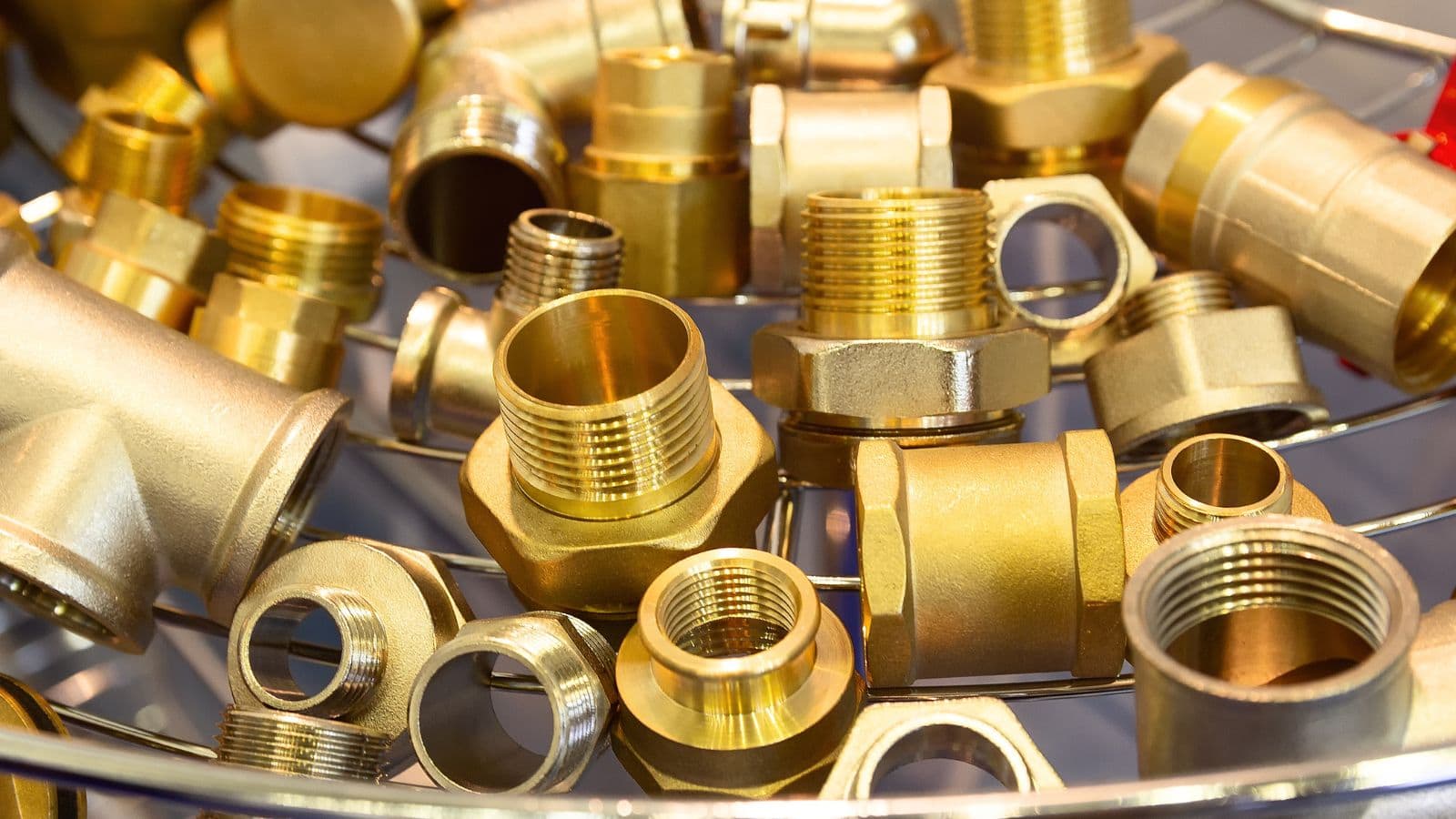
Valves and Plumbing Hardware
Manufacturers use brass die cast parts for valves, fittings, and plumbing hardware that must seal well and last for years. Brass resists corrosion from water, steam, and many chemicals, making it suitable for indoor systems and outdoor use.
Brass castings also hold tight tolerances, which helps control flow and pressure in kontrolna oprema i fire protection devices. Smooth surfaces reduce leaks and limit wear on seals.
Uobičajeni proizvodi uključuju:
- Ball and gate valves
- Pipe fittings and adapters
- Metering bodies and housings
Lighting Fixtures and Decorative Hardware
Brass die casting allows detailed shapes with clean edges. This matters for lighting fixtures and decorative hardware where appearance and fit are both required. Designers use brass to create thin walls, fine patterns, and smooth surfaces.
Brass parts accept many finishes, such as polish, plating, or paint. This flexibility supports both modern and classic styles. The material also adds weight and strength, which helps fixtures stay stable over time.
Tipične upotrebe uključuju:
- Lamp bases and arms
- Ručke i brave
- Architectural trim pieces
Electrical Connectors and Enclosures
Electrical systems often require parts that conduct current and resist heat. Brass offers steady električna provodljivost and maintains shape under load. This makes it suitable for electrical connectors and enclosures.
Common brass castings include:
- Terminal blocks and lugs
- Komponente za uzemljenje
- Protective enclosures for control equipment
Die casting supports precise contact points and consistent wall thickness. These features improve fit and reduce resistance. As mentioned before, brass also resists corrosion, which protects connections in humid or harsh settings.
Automotive and Motor Components
Automotive and industrial motors use brass die cast parts in mechanisms that experience major wear and heat. Brass handles friction better than many soft metals, which proves to be useful for bearing sheaves, bushings, and motor components.
Die casting allows repeatable shapes that fit complex assemblies. Tight tolerances help reduce vibration and noise. Generally, brass performs well near engines and moving systems, such as:
- Bearing cages and sheaves
- Fluid control components
- Sensor housings and mounts
Zaključak
Neither common nor exotic, brass die casting takes a niche yet vital position in the manufacturing world. While it demands higher processing temperatures and a greater upfront investment than some alternatives, the payoff is substantial for the right application.
For engineers and designers facing challenges related to harsh environments, electrical conductivity, or the need for a premium aesthetic, brass die casting remains a powerful and reliable solution that justifies its selection where performance simply cannot be compromised.
Često postavljana pitanja
Is brass die casting more expensive than other die casting processes?
Generally, yes. The higher melting point of brass requires specialized cold-chamber machinery and more robust tool steels, which increases the initial equipment and die cost. However, for high-volume production runs where its specific properties (like corrosion resistance or strength) are required, the per-part cost becomes very competitive, often eliminating the need for costly secondary coatings or machining required by other metals.
What is the typical lead time for creating a brass die casting die?
The lead time for tooling can vary significantly based on part complexity and size, but it typically ranges from 6 to 12 weeks. This includes design for manufacturability (DFM) analysis, machining of the hardened steel dies, and initial sampling to ensure dimensional accuracy. It’s a critical phase, as the quality and longevity of the die directly impact the success of the production run.
How does the weight of a brass die casting compare to a similar part made from aluminum or zinc?
Brass is a denser material. A brass component will be significantly heavier than an aluminum part of the exact same size and geometry, and somewhat heavier than zinc. This higher density contributes to its solid “feel” and mechanical damping properties, which are often desirable in applications like hardware or valve handles, but they are also an important factor to consider for weight-sensitive designs like those in automotive or aerospace sectors.